Metal Stud Garage Tips for Efficient Construction and Design?
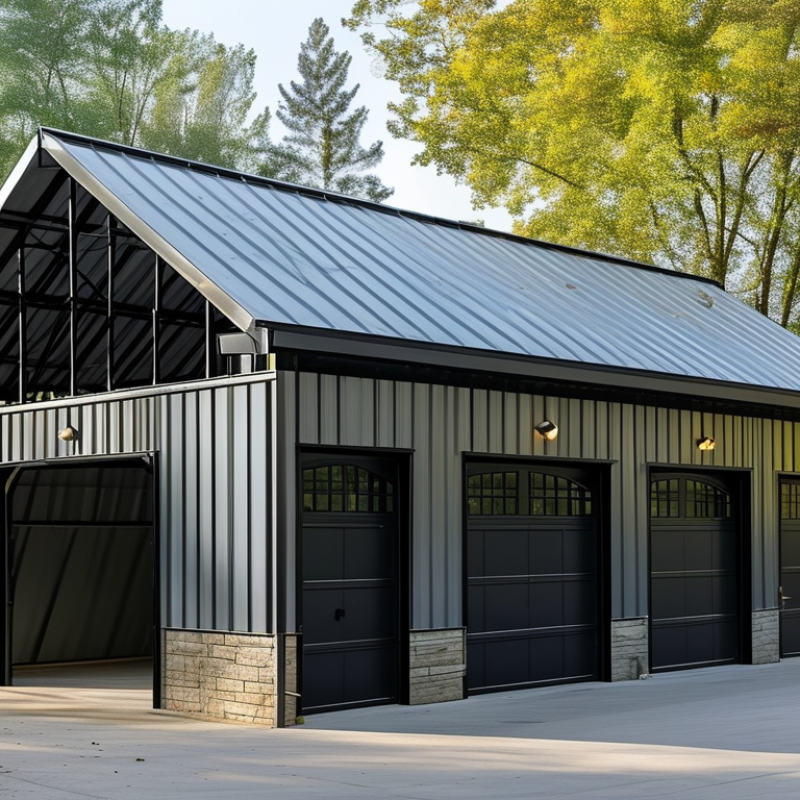
Building a Metal Stud Garage can be an efficient and smart choice. This modern approach utilizes metal framing, offering enhanced durability and versatility. Metal studs resist moisture, warping, and pests, making them ideal for garage structures. However, planning is crucial for maximizing the benefits of a Metal Stud Garage.
One common mistake is underestimating the importance of proper insulation. Without adequate insulation, temperature control can be challenging. This may lead to discomfort or increased energy costs. Additionally, the choice of finishing materials can greatly impact the overall look and functionality of the space. A thoughtful selection can transform a simple garage into a multifunctional area.
Another aspect to consider is the layout and design. It should suit your specific needs, whether for storage or as a workshop. Visualizing the final product helps in making informed decisions. Reflecting on these details ensures that a Metal Stud Garage does not just meet standards, but also serves your lifestyle effectively.
Choosing the Right Metal Studs for Garage Construction Efficiency
When it comes to selecting the right metal studs for garage construction, several crucial factors come into play. First, consider the size of the studs. Standard metal studs are available in varying dimensions, typically 3-5 inches wide. Choosing the right size affects both structural integrity and space efficiency. It's essential to evaluate the intended use of the space. If heavy loads or equipment will be stored, opt for sturdier studs.
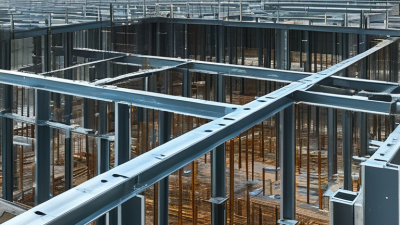
Tips for efficient construction often include using galvanized steel studs to resist corrosion. This is especially important in garages that may have exposure to moisture. Additionally, ensure that the studs are correctly spaced, typically 16 or 24 inches apart. This spacing ensures stability while minimizing material costs.
While working with metal studs, remember that exact cutting is vital. An inaccurate cut can lead to structural issues. It’s also easy to get overwhelmed by the initial setup. Take time to plan the layout carefully. Incorrect placement can complicate wiring and insulation later. Even a minor mistake can lead to larger issues down the road. Therefore, attention to detail is paramount during the construction process.
Metal Stud Garage Tips for Efficient Construction and Design
| Attribute |
Description |
Benefits |
| Material Type |
Galvanized steel, stainless steel |
Durability and resistance to rust |
| Thickness |
20, 25, or 30 gauge |
Stronger structural support |
| Height |
Standard heights 8', 9', and 10' |
Flexibility in design and space usage |
| Installation Method |
Screw or snap assembly |
Faster construction time |
| Fire Resistance |
Non-combustible material |
Increased safety for garage storage |
Understanding the Benefits of Metal Studs Over Traditional Wood Framing
Metal studs have gained popularity in construction due to their numerous advantages over traditional wood framing. They resist warping, twisting, and splitting, making them ideal for various climates. This durability allows builders to create more stable structures that require fewer repairs over time. Additionally, metal studs are non-combustible, providing fire resistance that enhances safety. Using metal studs can also lead to significant long-term cost savings, as they typically require less maintenance.
Another compelling benefit of metal studs is their lightweight nature. This makes them easier to transport and handle, which can speed up the construction process. However, some may find that working with metal studs requires different tools and techniques. Installation can be less intuitive compared to wood. Builders must familiarize themselves with specific practices to ensure stability and alignment. Despite these challenges, the increased efficiency and resilience often outweigh the initial learning curve.
Environmental considerations also play a role in the growing preference for metal studs. They are often made from recycled materials, contributing to sustainable construction practices. However, it's essential to consider the energy used in production and transportation of metal studs. While the benefits are clear, builders should always assess their unique project needs and local regulations before choosing materials. The right decision varies based on location, budget, and specific building requirements.
Essential Tools and Materials for Building a Metal Stud Garage
Building a metal stud garage requires careful planning and the right tools. Begin with essential materials, such as metal studs and tracks. These provide the structure and durability needed for a garage. Ensure the studs are made from galvanized steel for corrosion resistance. Additionally, gather insulation and drywall to enhance energy efficiency and aesthetics.
Tools are equally important. A metal stud cutter simplifies the framing process. A level helps maintain proper vertical and horizontal alignment. Invest in a good stud finder to locate any existing electrical wiring or plumbing. Using a snap-off utility knife helps achieve clean cuts on drywall, which is crucial for a polished finish.
Mistakes can happen during construction. Sometimes, miscalculations lead to uneven walls or incorrect stud spacing. It’s crucial to double-check measurements. Moreover, ensure that all connections are secure and that fasteners are used correctly. Reflection on these challenges can improve future projects, making the process smoother.
Metal Stud Garage Construction Analysis
Step-by-Step Guide to Installing Metal Studs in Your Garage
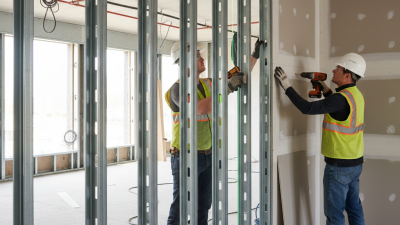
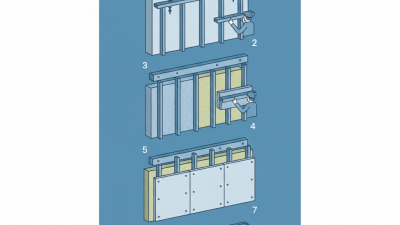
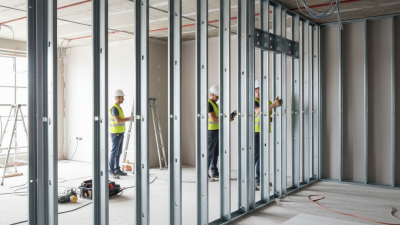
Installing metal studs in your garage can enhance both its structure and aesthetics. Metal studs are lightweight, durable, and resistant to issues like moisture and pests. Begin by measuring your garage space accurately. This ensures that the studs fit well and that your walls will be straight. Mark these measurements on the floor and the walls to serve as guides.
Next, it’s crucial to securely fasten the metal studs to your garage walls. Use appropriate fasteners and ensure they are spaced correctly, typically 16 inches apart. This may require careful alignment, as mistakes can lead to gaps or instability later. It's also important to check for levelness; an unlevel stud can cause problems down the line. If you encounter resistance or instability while installing, take a moment to reassess your alignment and support.
Once the framing is up, insulation can be added. This step is often overlooked. Insulation not only helps with temperature control but also provides soundproofing. Remember, it’s easy to miss spots or not fill gaps adequately. This can affect energy efficiency in the long run. Afterward, cover the studs with drywall or your chosen wall material, sealing off any visible gaps. Keep in mind, mistakes during installation can lead to more extensive problems later, making patience and precision essential.
Design Considerations for Maximizing Space in a Metal Stud Garage
When designing a metal stud garage, maximizing space is essential. Assessing your needs early helps to avoid issues later. Prioritize key functions such as storage, parking, or workshop space. Each section should serve a purpose without crowding the area. Consider incorporating vertical storage solutions. Shelving units and overhead racks can use ceiling height effectively.
Lighting plays a crucial role in a garage's usability. Natural light is ideal, but if that’s limited, choose bright LED fixtures. The right light improves visibility and enhances safety. Installing windows can brighten the space and create an inviting atmosphere.
Plan the layout carefully. Allow enough room for vehicles, tools, and equipment. Measure door swings and storage clearances accurately. Mistakes in planning may lead to frustrating reorganizations. Flexibility in design is vital. Leave options for future modifications, if needs change. Reflecting on these details will lead to a more functional and efficient garage.