


Strut Channel

41*41 Unistrut Slotted Channel With Different Surface Treatment
Galvanized C-shaped steel has a cross-section in the shape of a 'C'. It is made from strip steel through a cold-bending forming process. Commonly, it has an open-ended structure, with flanges on both sides and a web in the middle, resembling the capital letter 'C.' A protective layer is formed on its surface through galvanizing treatment, effectively enhancing its performance.
C-shaped steel can also be used as a bracket for cable trays or other construction materials.

Pre Galvanized 41*62 Unistrut Channel Structure
Galvanized C-shaped steel has a cross-section in the shape of a 'C'. It is made from strip steel through a cold-bending forming process. Commonly, it has an open-ended structure, with flanges on both sides and a web in the middle, resembling the capital letter 'C.' A protective layer is formed on its surface through galvanizing treatment, effectively enhancing its performance.
C-shaped steel can also be used as a bracket for cable trays or other construction materials.

41*41 Powder Coated Unistrut Channel With Slots
Galvanized C-shaped steel has a cross-section in the shape of a 'C'. It is made from strip steel through a cold-bending forming process. Commonly, it has an open-ended structure, with flanges on both sides and a web in the middle, resembling the capital letter 'C.' A protective layer is formed on its surface through galvanizing treatment, effectively enhancing its performance.
C-shaped steel can also be used as a bracket for cable trays or other construction materials.

41*82 Pre Galvanized Connected Unistrut Channel
Two Unistrut Channel (typically made of various steel materials) fixed back-to-back, forming a rigid, symmetrical structure. This configuration enhances load-bearing capacity and stability, ideal for heavy-duty industrial supports, pipe installations, electrical conduit systems, or architectural frameworks. The back-to-back design allows for balanced mounting points and distributes stress evenly, making it suitable for applications requiring robust rigidity, such as machinery supports, overhead installations, or modular construction systems. Often galvanized for corrosion resistance, this setup combines the versatility of unistrut channels with enhanced structural integrity, extra and stronger supporting ability.

41*41 41*21 Slotted channel Pre Galvanized Combination Channel
Galvanized C-shaped steel has a cross-section in the shape of a 'C'. It is made from strip steel through a cold-bending forming process. Commonly, it has an open-ended structure, with flanges on both sides and a web in the middle, resembling the capital letter 'C.' A protective layer is formed on its surface through galvanizing treatment, effectively enhancing its performance.
C-shaped steel can also be used as a bracket for cable trays or other construction materials.

41*21 Pre Galvanized Unitrut Channel
Galvanized C-shaped steel has a cross-section in the shape of a 'C'. It is made from strip steel through a cold-bending forming process. Commonly, it has an open-ended structure, with flanges on both sides and a web in the middle, resembling the capital letter 'C.' A protective layer is formed on its surface through galvanizing treatment, effectively enhancing its performance.
C-shaped steel can also be used as a bracket for cable trays or other construction materials.


41*21 Pre Galvanized / ZAM Slotted Channel
Galvanized C-shaped steel has a cross-section in the shape of a 'C'. It is made from strip steel through a cold-bending forming process. Commonly, it has an open-ended structure, with flanges on both sides and a web in the middle, resembling the capital letter 'C.' A protective layer is formed on its surface through galvanizing treatment, effectively enhancing its performance.
C-shaped steel can also be used as a bracket for cable trays or other construction materials.

41*21 Pre Galvanized Unisturt Channel
Galvanized C-shaped steel has a cross-section in the shape of a 'C'. It is made from strip steel through a cold-bending forming process. Commonly, it has an open-ended structure, with flanges on both sides and a web in the middle, resembling the capital letter 'C.' A protective layer is formed on its surface through galvanizing treatment, effectively enhancing its performance.
C-shaped steel can also be used as a bracket for cable trays or other construction materials.

Reliable heavy duty seismic resistant bracket
Definition and Structure
Seismic-resistant brackets are specially designed components used to limit the displacement and control the vibrations of mechanical and electrical systems in buildings and infrastructure during seismic events. Their primary function is to absorb seismic forces and transmit them to the building's structural framework. These brackets are critical in ensuring the safety and stability of various building systems, such as electrical cables, piping, and HVAC systems, during an earthquake.
The structure of a seismic-resistant bracket typically consists of robust, durable materials capable of withstanding dynamic forces from multiple horizontal directions. The brackets are designed with a flexible yet secure connection to ensure that they can maintain functionality while providing essential movement control. Seismic brackets are generally installed with provisions to allow thermal expansion and contraction, especially in systems involving insulated pipes, ensuring that they do not impede the natural movement of materials.

Welded 41*41 Pre Galvanized Unistrut Channels
PRE Galvanized C-shaped steel has a cross-section in the shape of a 'C'. It is made from strip steel through a cold-bending forming process. Commonly, it has an open-ended structure, with flanges on both sides and a web in the middle, resembling the capital letter 'C.' A protective layer is formed on its surface through galvanizing treatment, effectively enhancing its performance.
C-shaped steel can also be used as a bracket for cable trays or other construction materials.

Seismic Resistant Bracket acesssories
Definition and Structure
Seismic-resistant brackets are specially designed components used to limit the displacement and control the vibrations of mechanical and electrical systems in buildings and infrastructure during seismic events. Their primary function is to absorb seismic forces and transmit them to the building's structural framework. These brackets are critical in ensuring the safety and stability of various building systems, such as electrical cables, piping, and HVAC systems, during an earthquake.
The structure of a seismic-resistant bracket typically consists of robust, durable materials capable of withstanding dynamic forces from multiple horizontal directions. The brackets are designed with a flexible yet secure connection to ensure that they can maintain functionality while providing essential movement control. Seismic brackets are generally installed with provisions to allow thermal expansion and contraction, especially in systems involving insulated pipes, ensuring that they do not impede the natural movement of materials.

Seismic Bracket for Struct Channel
Definition and Structure
Seismic-resistant brackets are specially designed components used to limit the displacement and control the vibrations of mechanical and electrical systems in buildings and infrastructure during seismic events. Their primary function is to absorb seismic forces and transmit them to the building's structural framework. These brackets are critical in ensuring the safety and stability of various building systems, such as electrical cables, piping, and HVAC systems, during an earthquake.
The structure of a seismic-resistant bracket typically consists of robust, durable materials capable of withstanding dynamic forces from multiple horizontal directions. The brackets are designed with a flexible yet secure connection to ensure that they can maintain functionality while providing essential movement control. Seismic brackets are generally installed with provisions to allow thermal expansion and contraction, especially in systems involving insulated pipes, ensuring that they do not impede the natural movement of materials.

Seismic Bracket
Definition and Structure
Seismic-resistant brackets are specially designed components used to limit the displacement and control the vibrations of mechanical and electrical systems in buildings and infrastructure during seismic events. Their primary function is to absorb seismic forces and transmit them to the building's structural framework. These brackets are critical in ensuring the safety and stability of various building systems, such as electrical cables, piping, and HVAC systems, during an earthquake.
The structure of a seismic-resistant bracket typically consists of robust, durable materials capable of withstanding dynamic forces from multiple horizontal directions. The brackets are designed with a flexible yet secure connection to ensure that they can maintain functionality while providing essential movement control. Seismic brackets are generally installed with provisions to allow thermal expansion and contraction, especially in systems involving insulated pipes, ensuring that they do not impede the natural movement of materials.
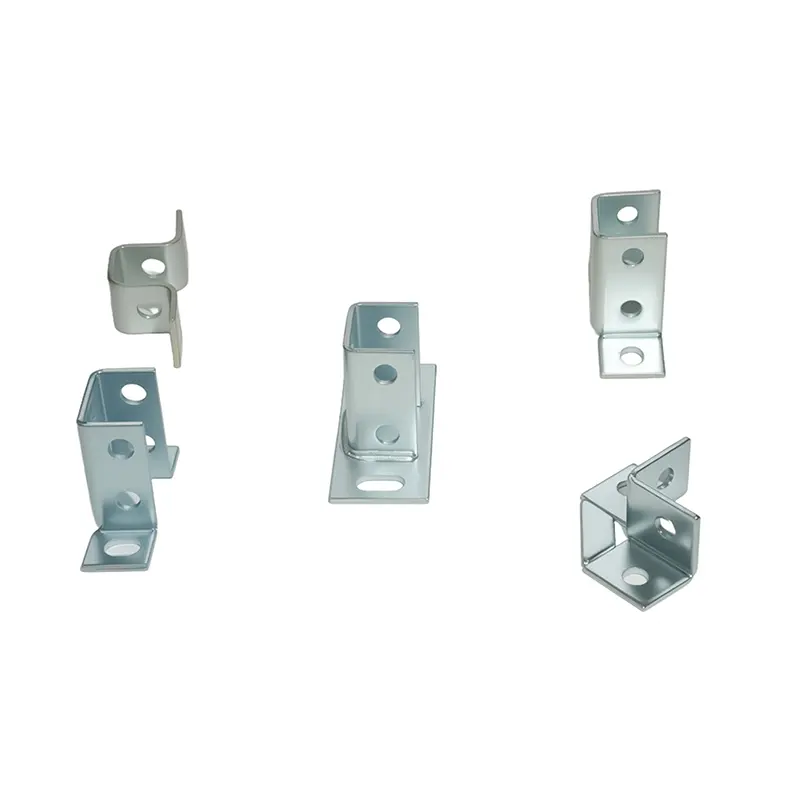
Unisturt Channel Accessories
Brand: Qiongkai
Model Tag. :CTA-
Origin: Shanghai, China
Type: Cable Tray Accessories