





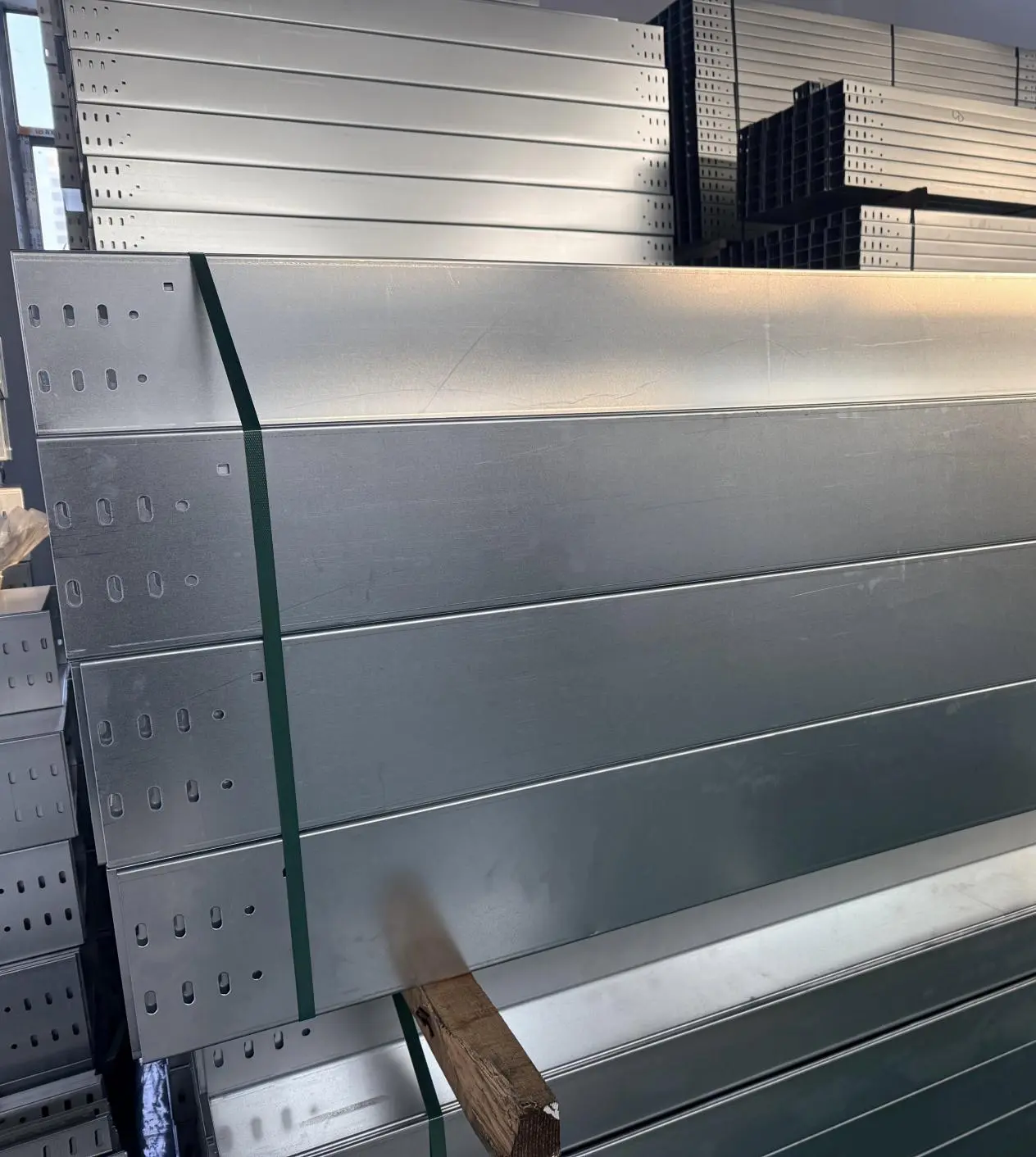

Wire Mesh Cable Trays: A Modern Solution for Cable Management
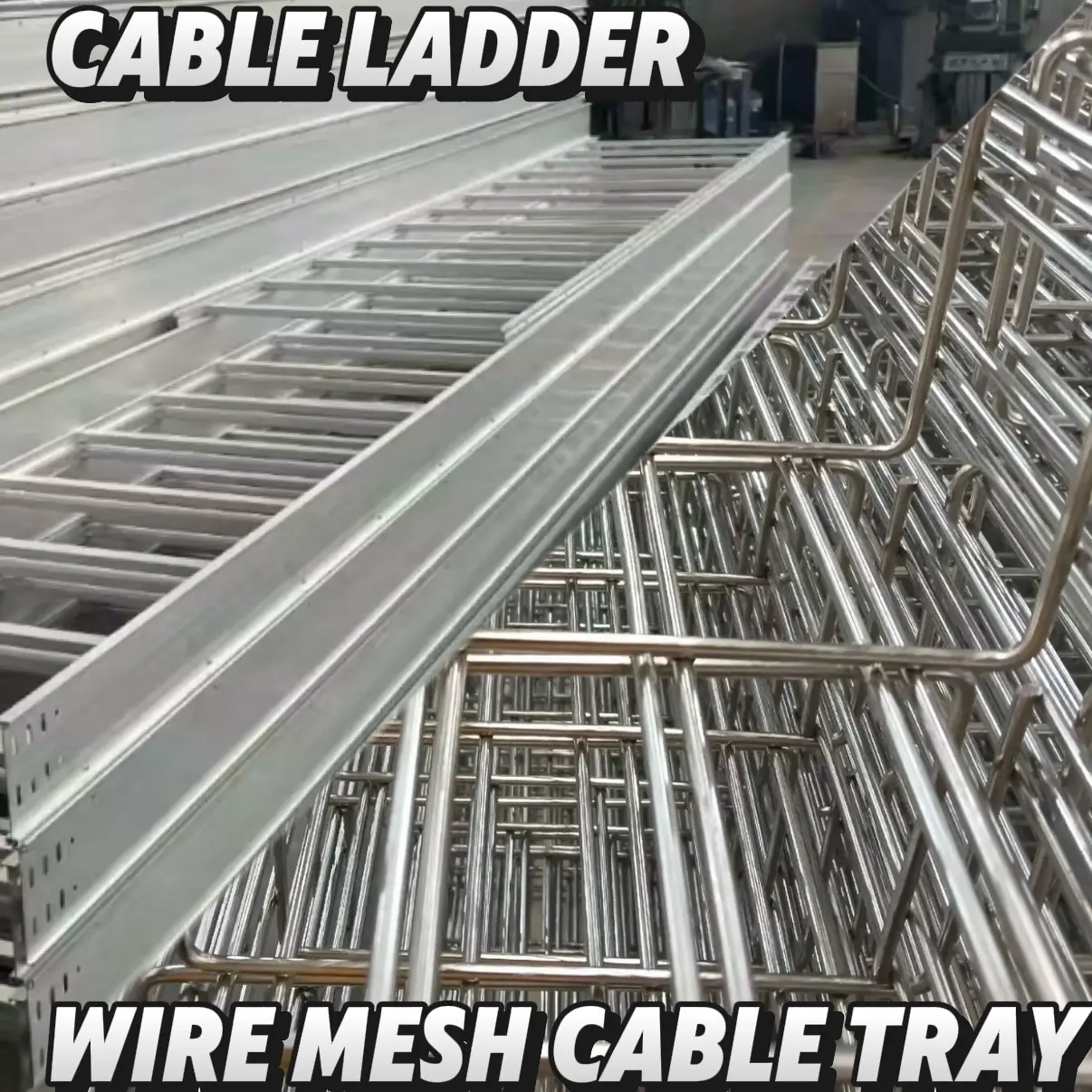
In modern infrastructure design, wire mesh cable trays have emerged as a popular alternative to traditional solid-bottom Cable Trays. These open-grid structures, typically constructed from welded stainless steel or galvanized steel wires, provide a versatile platform for organizing power, data, and communication cables. This article examines the key advantages and limitations of this innovative cable management system.
Structural Advantages
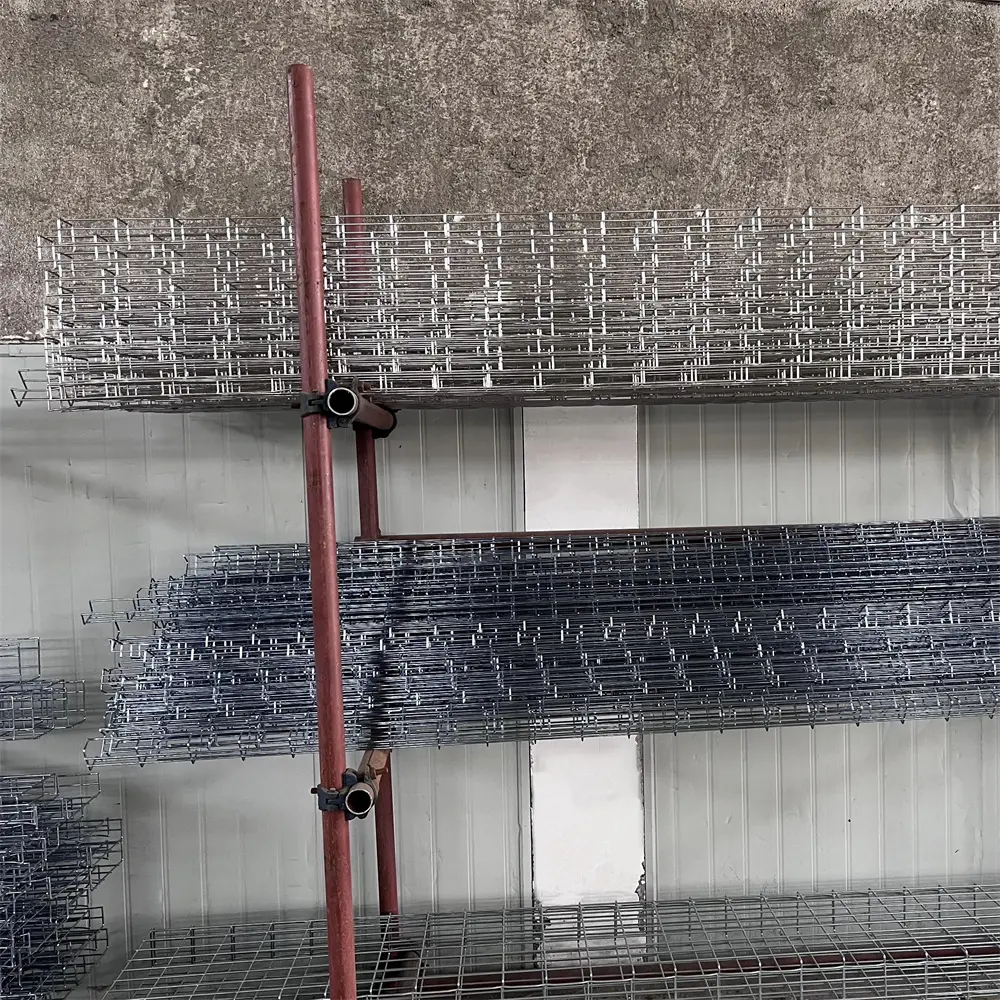
The defining feature of wire Mesh Cable trays lies in their skeletal grid structure. Unlike conventional trough-style trays, this open design offers superior ventilation that significantly reduces heat buildup - a critical advantage for high-density data centers where excessive heat can degrade cable performance (Brady Corporation, 2022).
The lightweight construction (typically 30-40% lighter than Solid Trays) simplifies installation and reduces structural support requirements. Maintenance teams benefit from complete visual access to cables through the mesh pattern, enabling faster fault identification and reducing downtime by up to 50% during troubleshooting operations.
Installation Flexibility
Wire mesh systems demonstrate particular adaptability through:
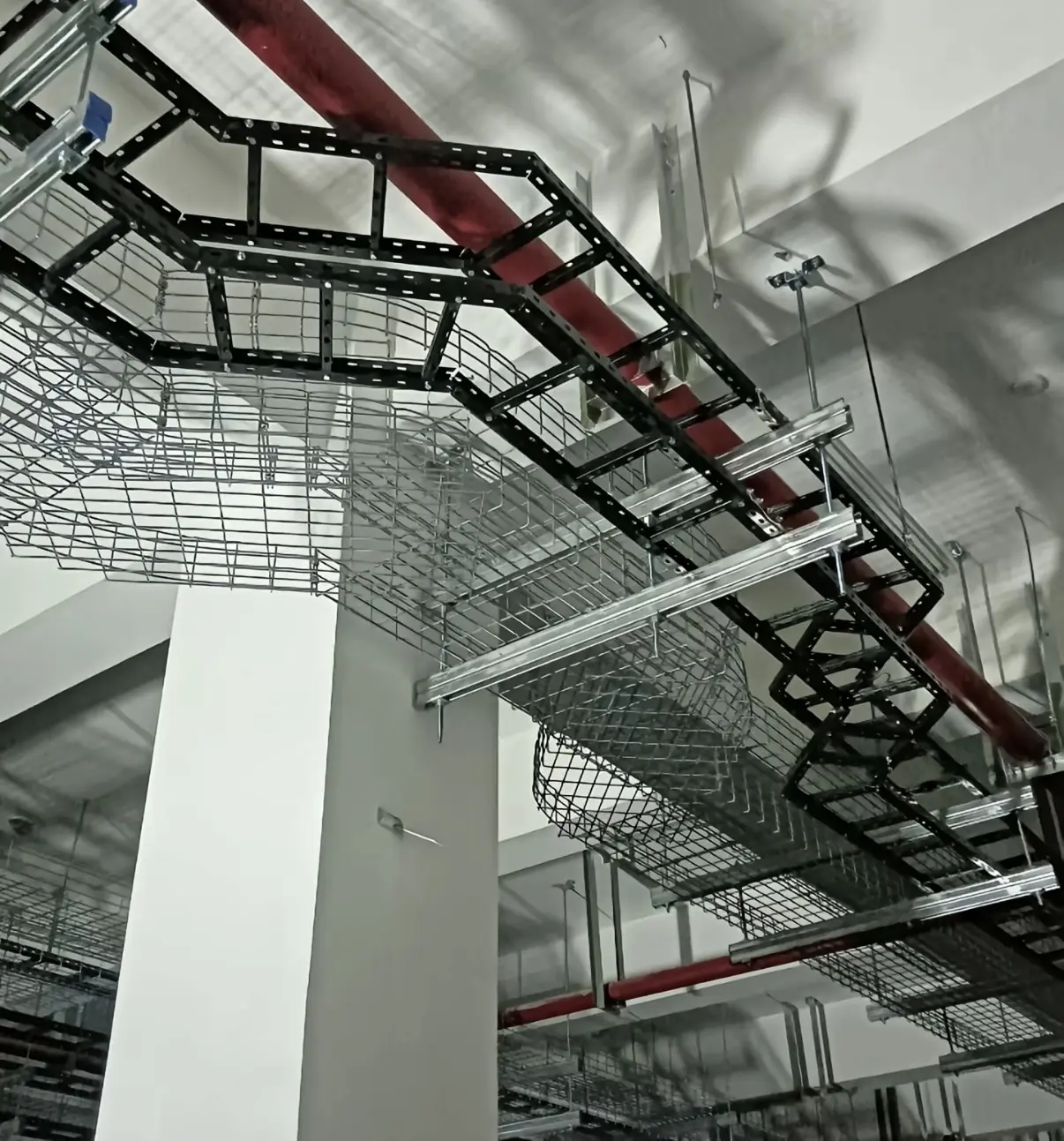
- Modular components allowing on-site customization
- Tool-free reconfiguration for system upgrades
- Compatibility with various mounting options (underfloor, overhead, vertical)
- Bendable sections for navigating complex routes
This flexibility proves invaluable in retrofit projects where existing infrastructure constraints would make solid tray installation impractical.
Environmental Resistance
Modern powder-coating techniques enable wire mesh trays to withstand:
- Humidity levels up to 95% (non-condensing)
- Temperatures ranging from -40°C to 120°C
- Chemical exposure in industrial environments
- UV radiation in outdoor applications
These properties contribute to an extended service life averaging 25-30 years with proper installation.
Sustainability Considerations
The open structure reduces material usage by 35-50% compared to solid trays, while the fully recyclable steel construction supports circular economy initiatives. The improved airflow can decrease cooling energy consumption by 8-12% in climate-controlled environments.
Key Limitations
Despite numerous advantages, wire mesh trays present specific challenges:
- Limited Physical Protection: The open design offers minimal defense against falling debris or liquid ingress, requiring supplemental covers in hazardous environments
- Cable Support Spacing: Requires more frequent support pointscompared to solid trays
- Small Cable Challenges: Cables under 12mm diameter may require containment accessories
- Initial Cost Premium: 15-20% higher material cost than basic solid trays (offset by long-term savings)
Application Considerations
Optimal use cases include:
- Commercial buildings (offices, hospitals, airports)
- Data centers and telecom facilities
- Industrial plants with low particulate risk
- Renewable energy installations
Less suitable for:
- Heavy manufacturing with airborne contaminants
- Submarine cable installations
- High-security military installations
Conclusion
Wire mesh cable trays represent a sophisticated evolution in cable management, particularly excelling in environments prioritizing heat dissipation, accessibility, and adaptability. While not universally applicable, their benefits in appropriate installations often outweigh limitations, especially when considering lifecycle costs. As infrastructure demands grow increasingly complex, these systems will likely see expanded adoption across multiple industries.
Reference
Brady Corporation. (2022). *Wire Mesh Cable Tray Technical Guide*. Retrieved from https://www.bradyid.com