



Why Your Project Needs a Strong Cable Tray
Introduction
In the underpinnings of today’s industrial, commercial, and technological landscapes lies an often overlooked yet essential component — the cable tray. Like skeletal frameworks holding complex systems in place, cable trays provide the structured support needed to route and protect critical electrical and communication wiring. Their role in infrastructure is foundational, quietly enabling connectivity and power flow in everything from skyscrapers to data centers. While they may seem mundane compared to the tech they serve, cable trays influence project integrity more than most realize. A poorly designed or weak Cable Tray Can compromise an entire system, leading to failures, hazards, and costly downtime. On the flip side, a robust tray system safeguards cables, streamlines maintenance, and fortifies the entire operational backbone.
Understanding Cable Trays
What Is a Cable Tray and How Does It Work?
A cable tray is a structural system used to support insulated electrical cables used for power distribution, control, and communication. Acting as a roadway for cables, it allows for organized, flexible routing throughout a facility. Cable trays also provide critical ventilation and ease of access, simplifying the installation, modification, or inspection of wiring.
Different Types of Cable Trays and Their Applications
Cable trays are not one-size-fits-all. Each type is designed to serve specific environments and load requirements:
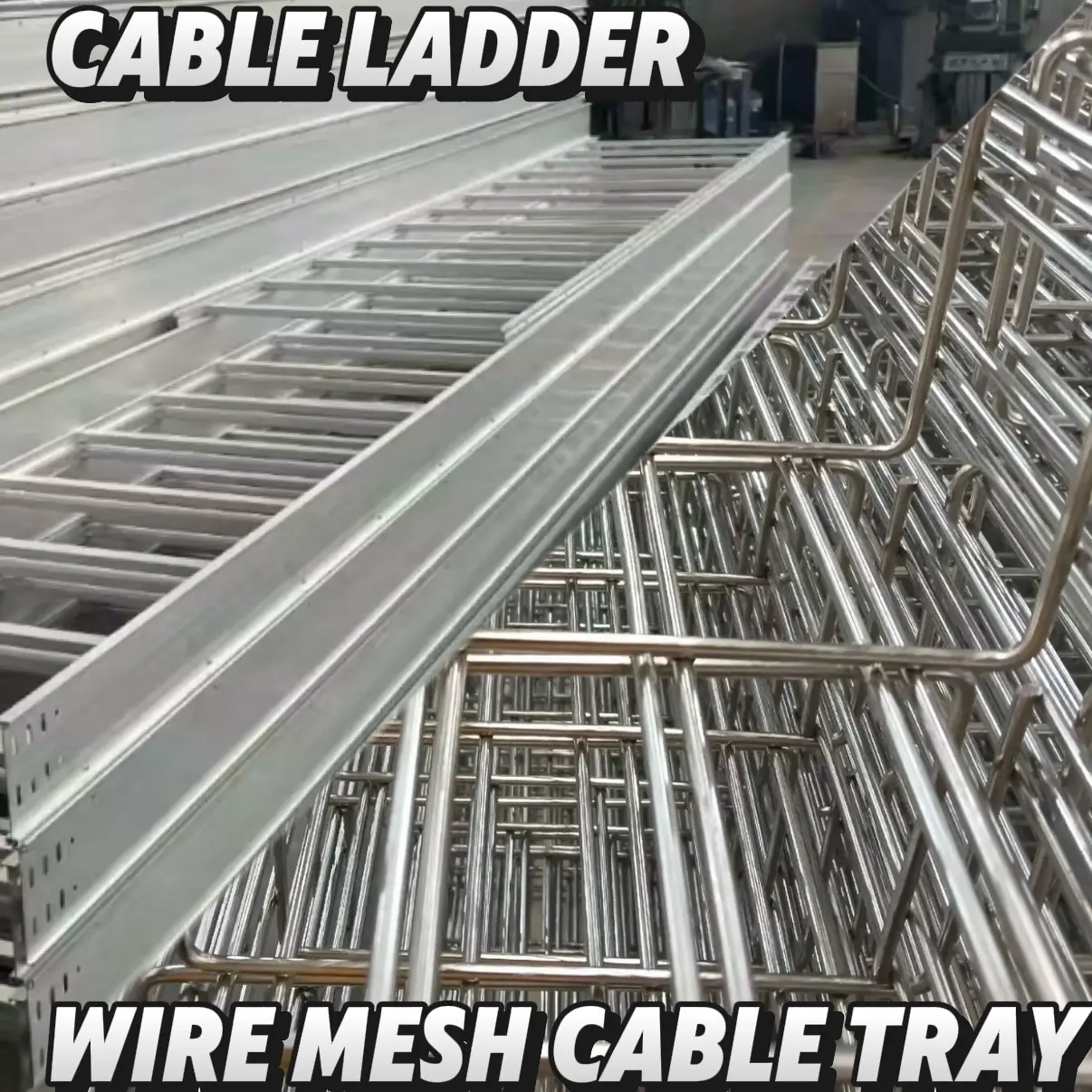
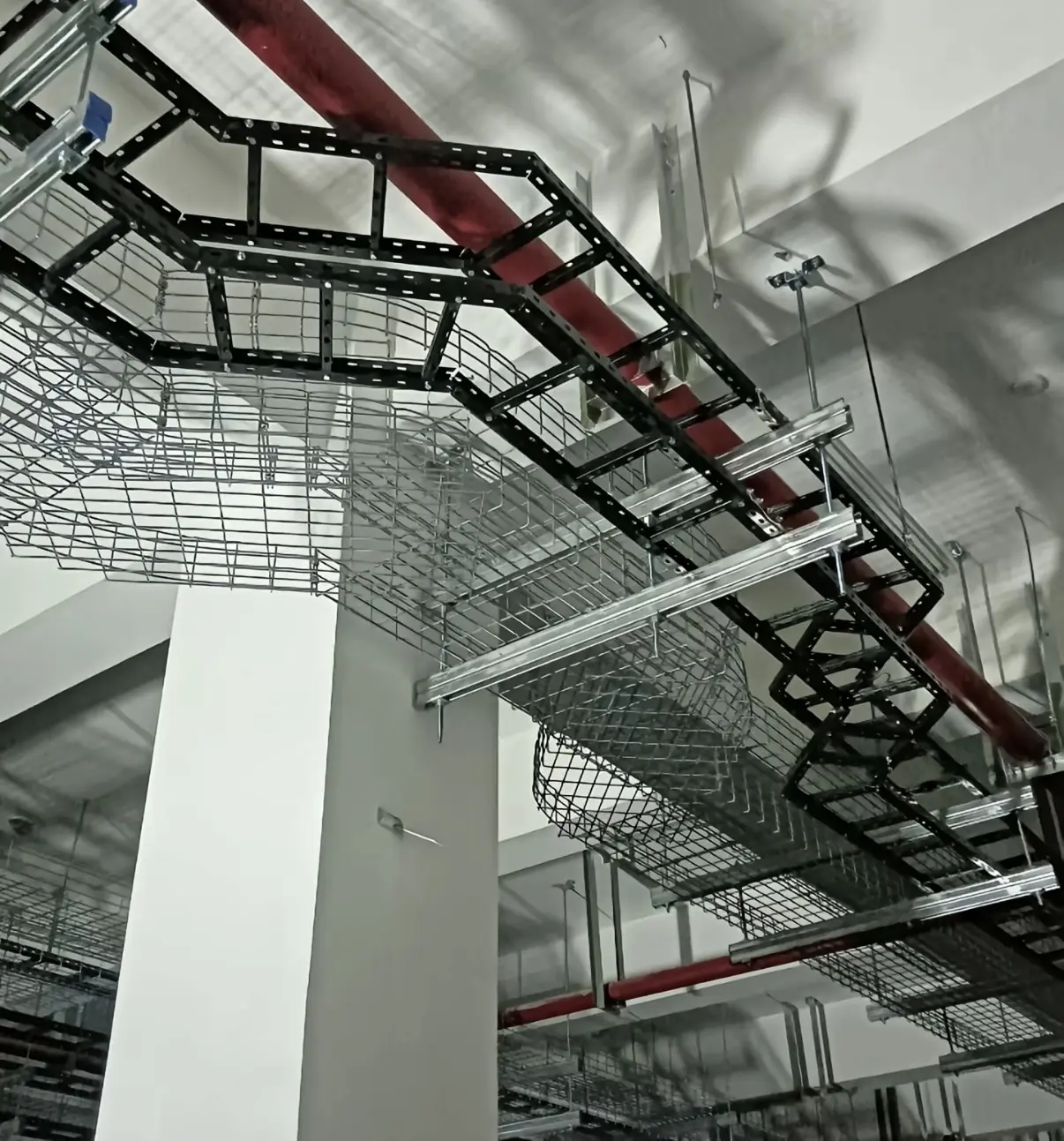
Ladder Trays:Ideal for heavy-duty industrial use, allowing air circulation and drainage.
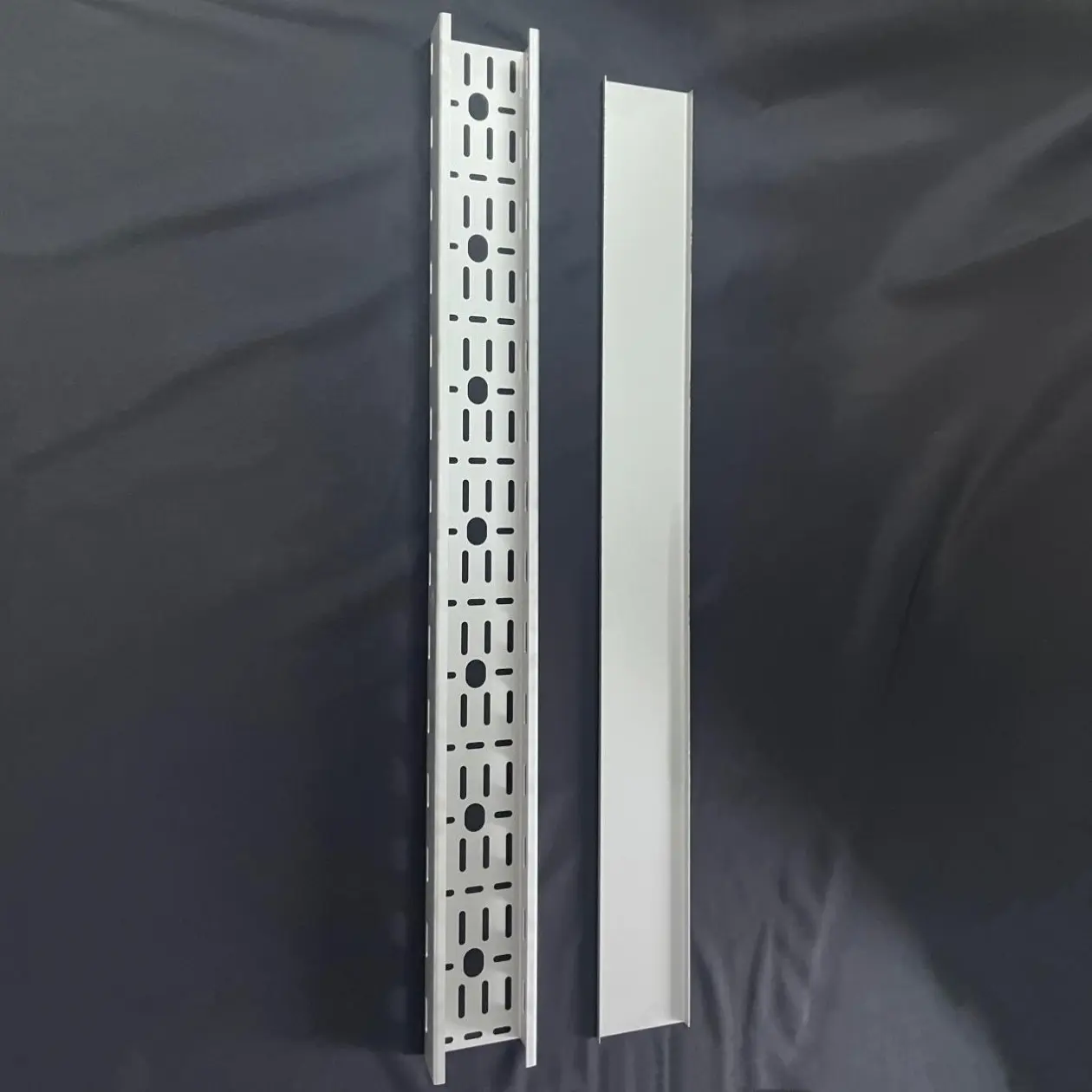
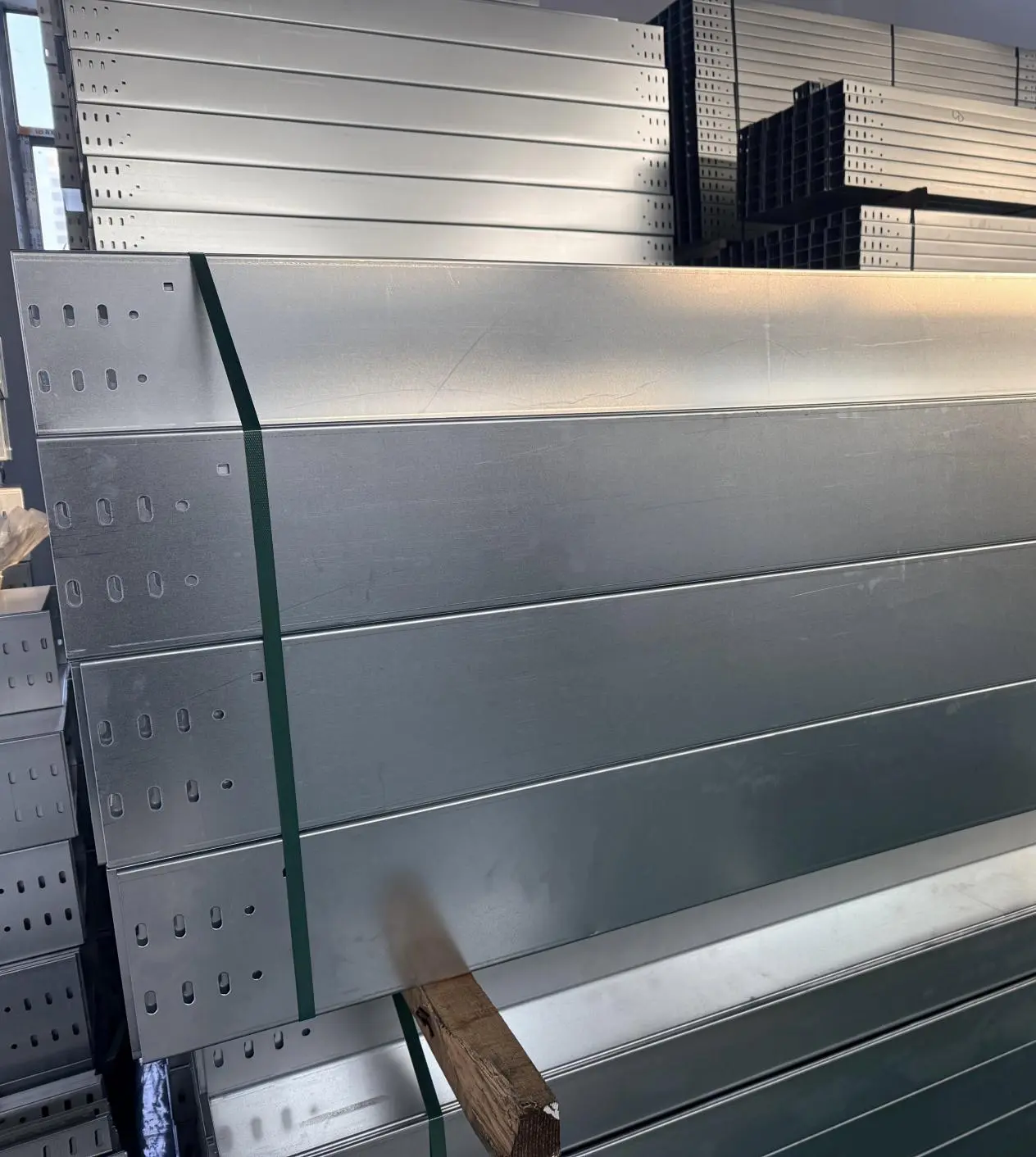
Perforated Trays: Offer partial cable support with ventilation, common in commercial buildings.
Solid-Bottom Trays: Provide maximum protection against dust and debris — perfect for sensitive environments.
Wire Mesh Trays: Flexible and easy to install in data centers and telecommunication networks.
Trough Trays: Blend solid and perforated characteristics for mid-range loads and moderate airflow.
Key Components That Make Up a Cable Tray System
A robust cable tray system consists of more than just the tray. It includes:
Supports such as cantilevers, wall brackets, and trapeze hangers
Fittings like elbows, tees, crosses, and reducers for directional changes
Covers to shield cables from external contaminants
Connectors and fasteners that ensure stability and continuity
Each component plays a role in the mechanical and environmental resilience of the system.
The Importance of Strength in Cable Trays
How a Strong Cable Tray Supports Heavy Loads
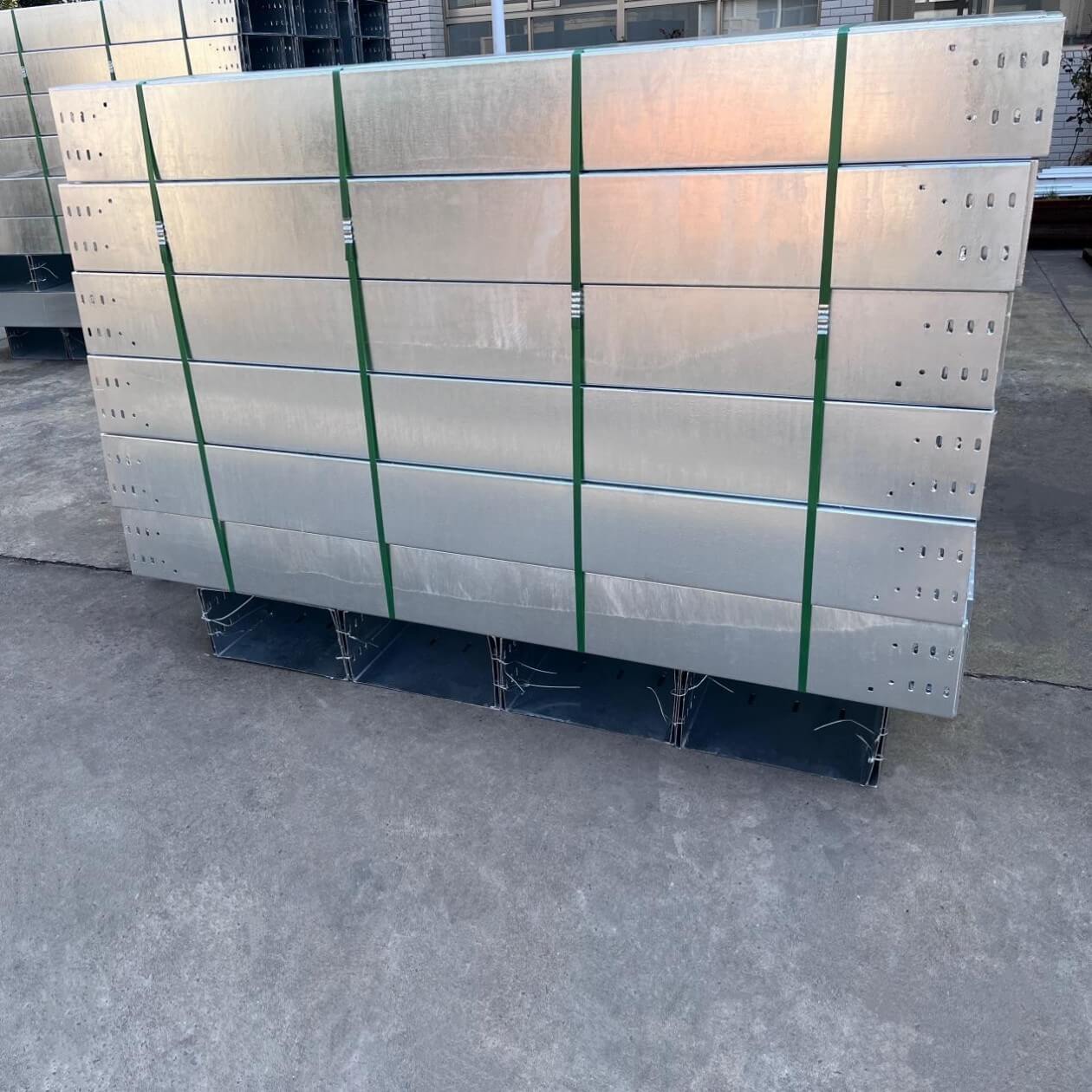
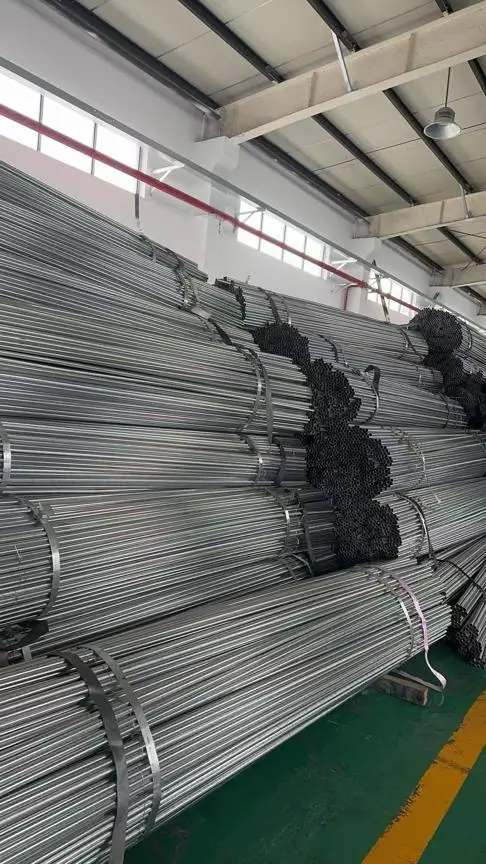
Strength isn’t a luxury — it’s a necessity. In settings where large volumes of power and data cables are bundled together, the load weight becomes significant. A well-engineered tray distributes this load evenly, preventing sagging or structural collapse. Trays constructed from galvanized steel or stainless alloys handle this pressure with aplomb.
Preventing System Failures with High-Quality Trays
System integrity hinges on containment. A weak cable tray can lead to cable deformation, insulation damage, or even electrical faults. High-quality trays are tested for deflection, fire resistance, and corrosion — qualities that directly influence the safety and performance of the entire electrical system.
The Impact of Cable Tray Strength on Safety and Compliance
Strong cable trays ensure alignment with stringent industry standards such as NEMA, IEC, and UL. These standards are more than bureaucratic red tape; they are safeguards against hazards like overheating, electrical shorts, and collapse. A compliant tray system enhances worker safety, reduces liability, and passes regulatory inspections without issue.
Benefits of a Strong Cable Tray for Your Project
Enhanced Durability for Long-Term Performance
Durability translates to longevity. A high-strength cable tray withstands environmental stressors — moisture, vibration, corrosion — without degradation. This means fewer replacements, less wear-and-tear, and extended service life.
Improved Cable Management and Organization
Orderly systems reduce chaos. A robust tray system enables clear cable routing, minimizing entanglements, signal interference, and troubleshooting time. Color-coded separation, tiered layering, and label-friendly designs all contribute to an optimized network.
Minimized Maintenance and Downtime
Well-structured trays reduce the frequency and complexity of maintenance. Access panels, open ladder designs, and modular fittings allow technicians to replace or reroute cables quickly, minimizing costly downtime and disruptions.
Boosted Efficiency in Electrical and Data Systems
With proper support and airflow, cables stay cooler, improving their performance and lifespan. Efficient heat dissipation reduces the load on HVAC systems and enhances the reliability of high-speed data transmission.
Choosing the Right Cable Tray for Your Needs
Material Matters: Steel, Aluminum, or Fiberglass?
Material selection is a strategic decision:
Steel offers maximum strength and is suited for heavy-duty industrial environments.
Aluminum is lightweight and corrosion-resistant — ideal for commercial buildings.
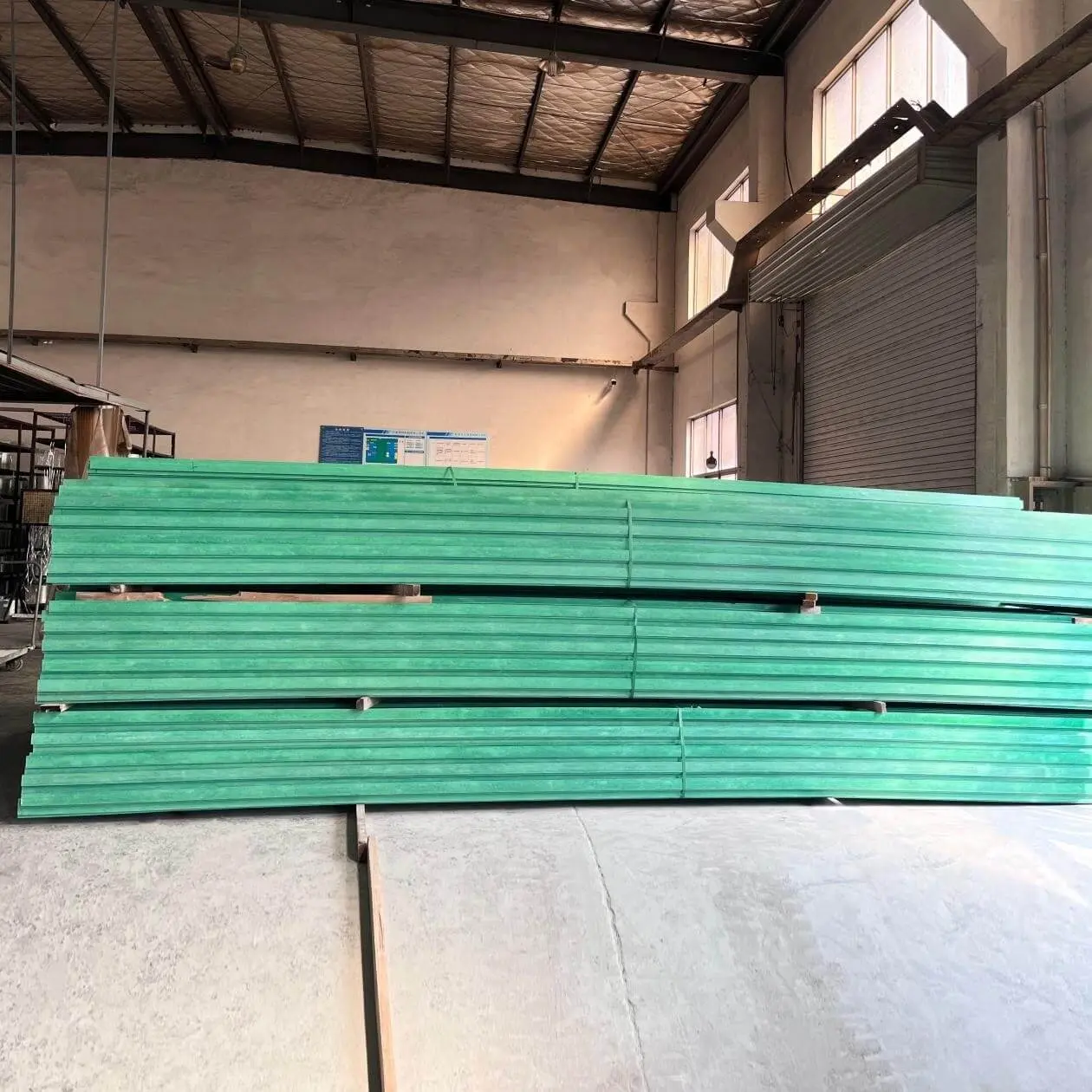
Fiberglass Reinforced Plastic (FRP) excels in chemically aggressive or marine conditions.
Each has distinct advantages based on application, cost, and durability needs.
Sizing Your Tray for Optimal Performance
Oversized trays waste space and cost more. Undersized trays lead to overcrowding and overheating. Load calculations should consider future expansion, bend radius requirements, and cable fill capacity to achieve optimal sizing.
Environmental Factors That Influence Tray Selection
Ambient temperature, humidity, chemical exposure, and mechanical stress all influence the ideal tray type. For instance, offshore oil platforms require corrosion-resistant materials, while data centers prioritize airflow and EMI shielding.
Installation Best Practices
Planning for Load Distribution and Support Spacing
Even the strongest tray can fail if poorly installed. Support spacing must match load ratings to prevent mid-span deflection. Consider dynamic loads, thermal expansion, and seismic activity during planning.
Avoiding Common Installation Mistakes
Cutting corners leads to long-term issues. Avoid overfilling trays, sharp bends that compromise cable integrity, and improper grounding. Ensure all connections are secure and aligned with design schematics.
Integrating with Existing Systems Seamlessly
Retrofitting? A modular tray system enables easy integration with legacy infrastructure. Adaptable fittings and adjustable mounts reduce the need for structural changes while maintaining a clean and cohesive network.
Case Studies and Real-World Applications
Industrial Success Stories Backed by Strong Cable Trays
In a high-capacity manufacturing plant, robust ladder trays supported miles of power cables with zero structural failure, despite intense vibration and thermal fluctuations. The system enabled uninterrupted operations for over a decade.
How Commercial Projects Thrive with the Right Tray System
A corporate data center leveraged wire mesh trays with snap-on covers for quick upgrades and minimal interference. The result: 25% reduction in cabling time and significantly improved airflow management.
Lessons Learned from Failures Due to Weak Infrastructure
In one cautionary tale, a substandard tray system collapsed under unexpected load increases, damaging critical communication lines. The remediation cost was six times that of investing in a stronger system from the start.
Conclusion
Investing in Strength for Project Success
Strong cable trays are not an optional upgrade — they are an investment in operational excellence. They enable safer environments, extend equipment lifespans, and reduce total cost of ownership.
Final Thoughts on Cable Tray Reliability and ROI
Whether you're managing a towering high-rise or a subterranean utility tunnel, the integrity of your cable tray system sets the tone for project performance. Choose strength. Choose stability. Choose a cable tray that’s built to last.