





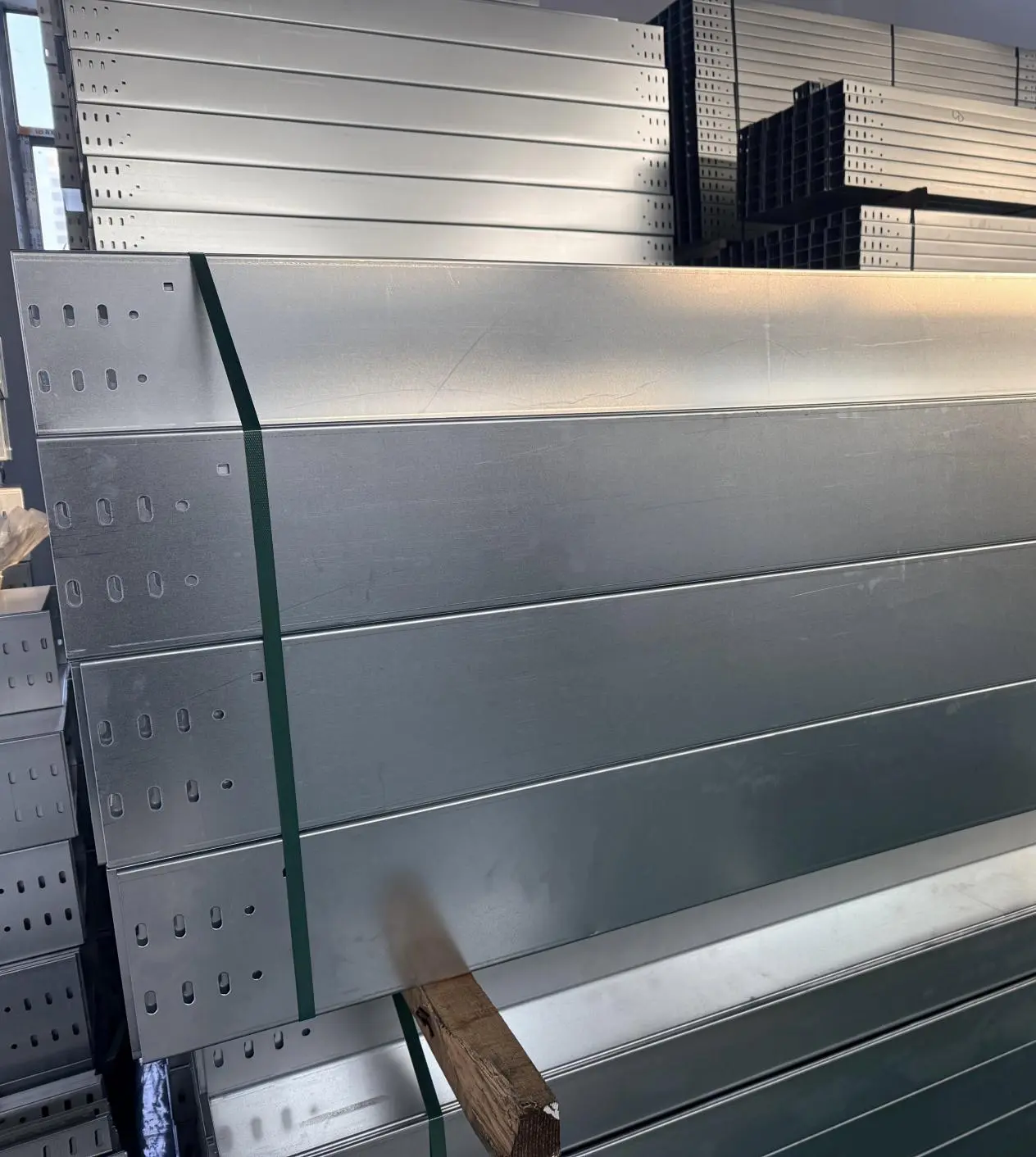

Where Are Cable Ladders Typically Used?
Where Are Cable Ladders Typically Used?
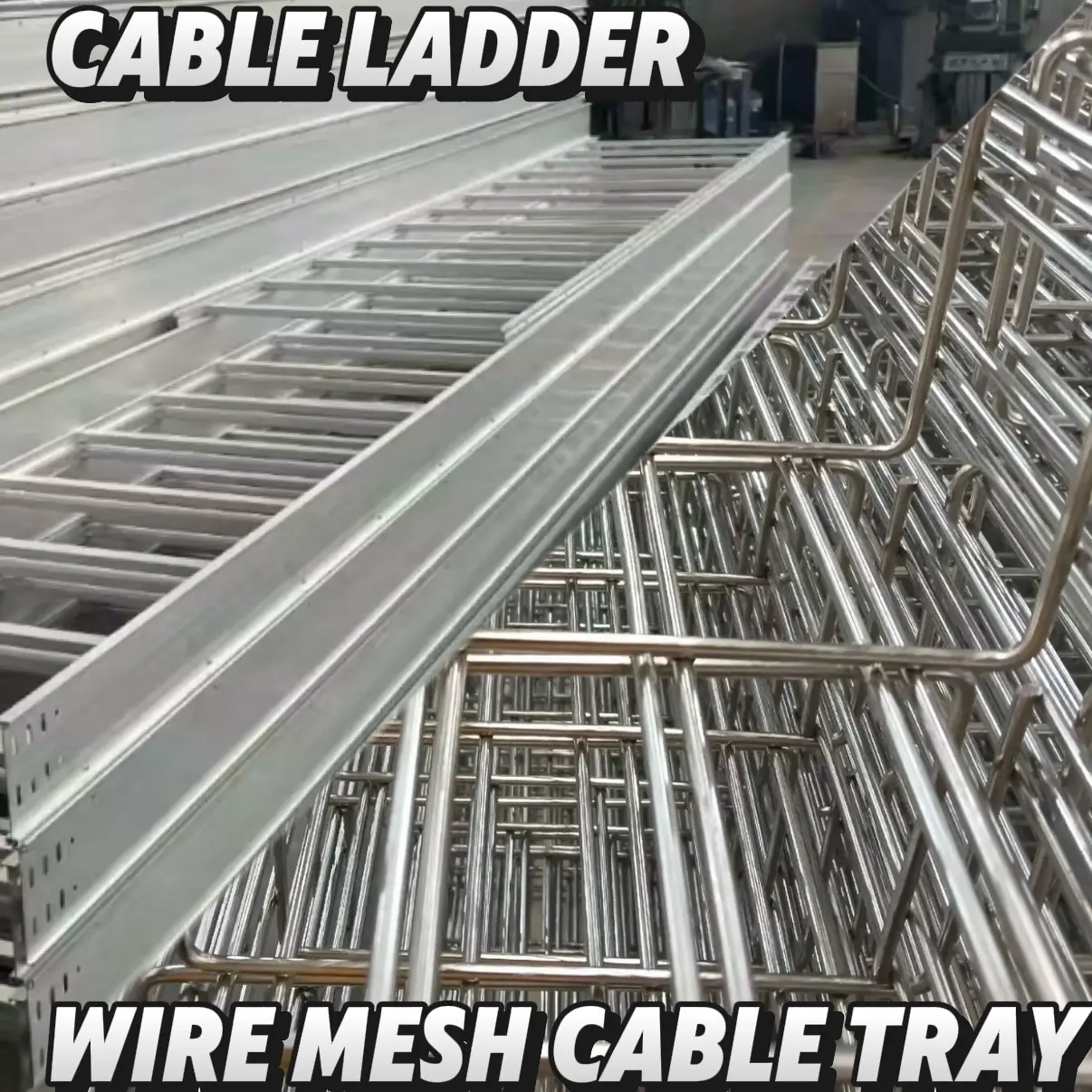
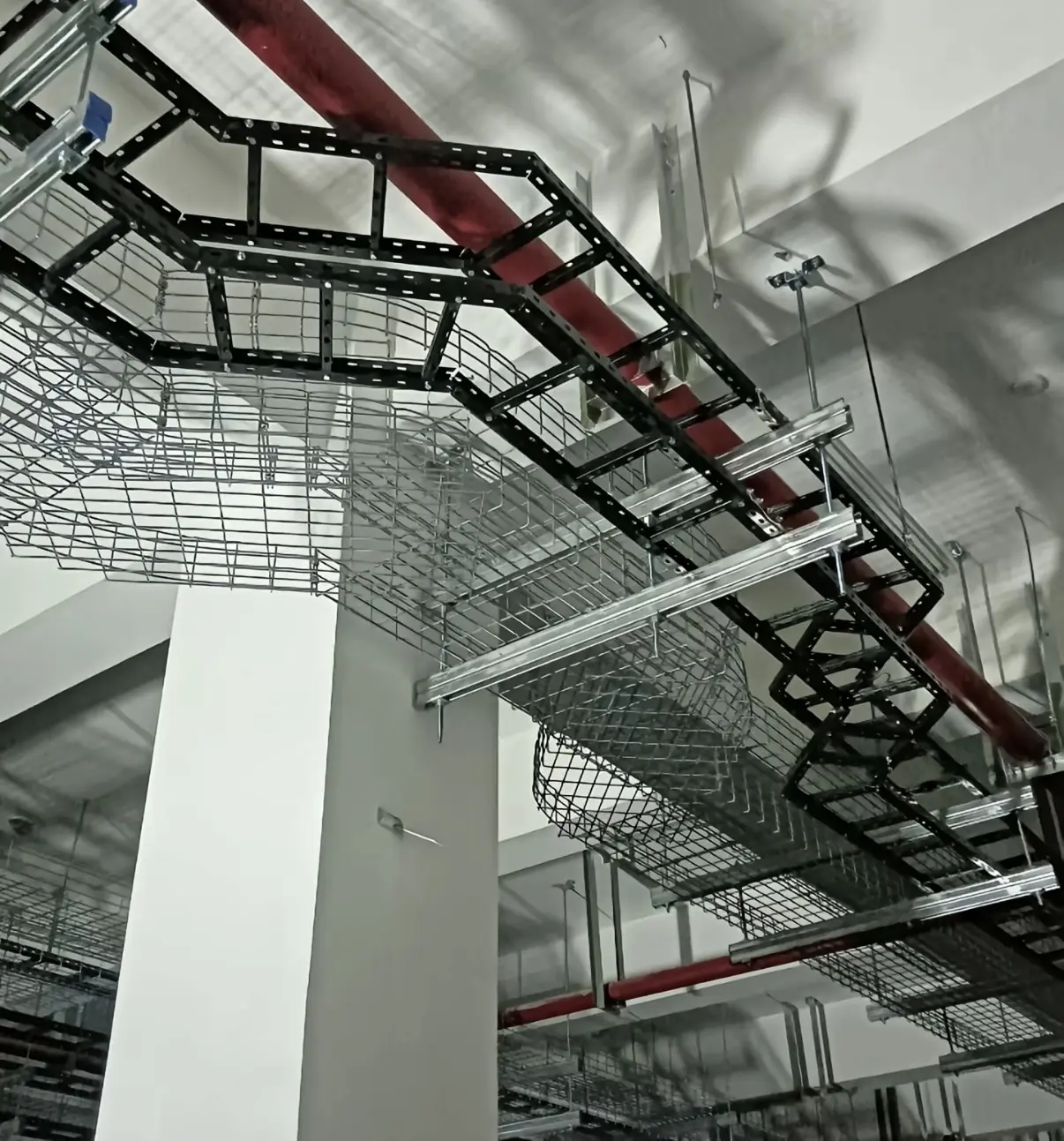
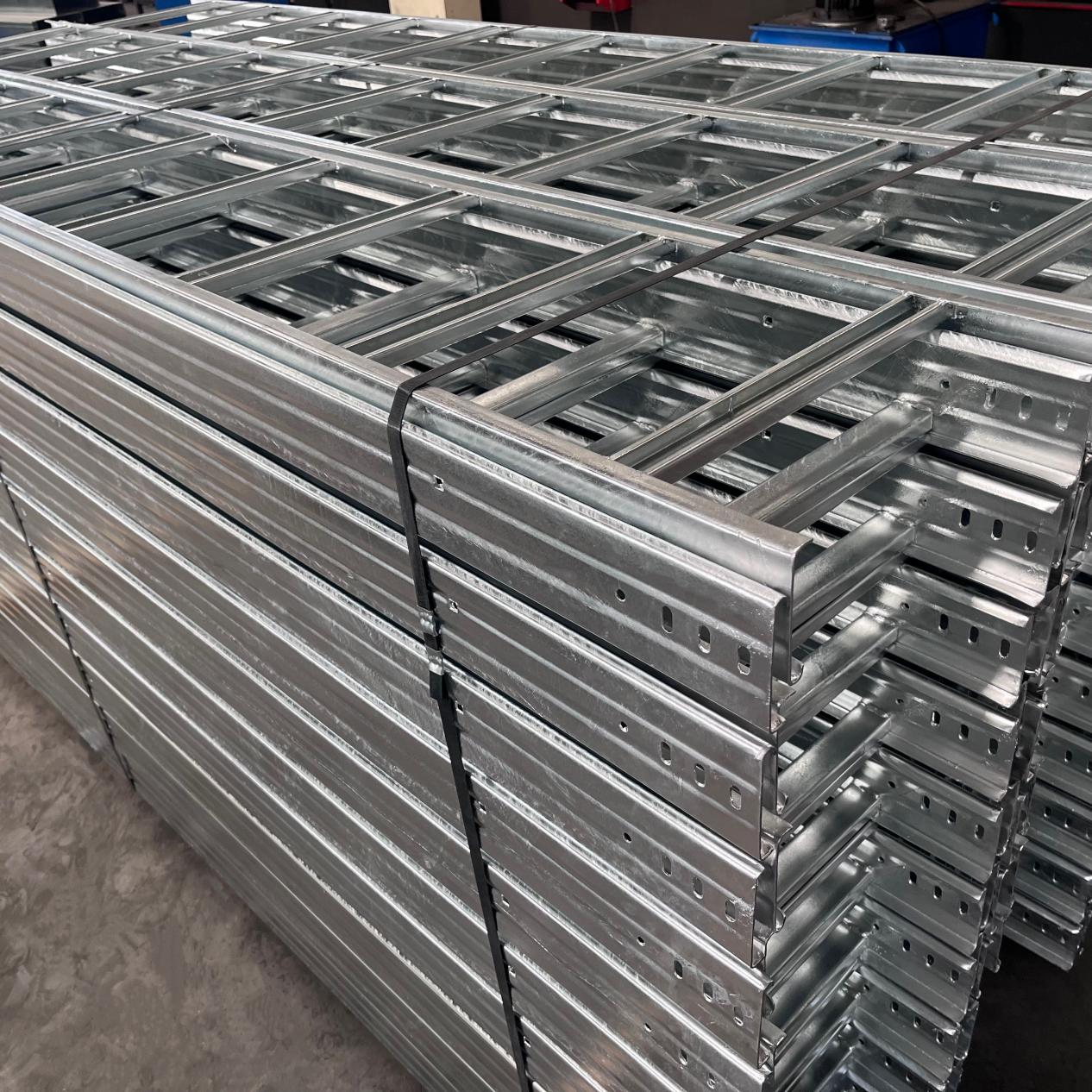
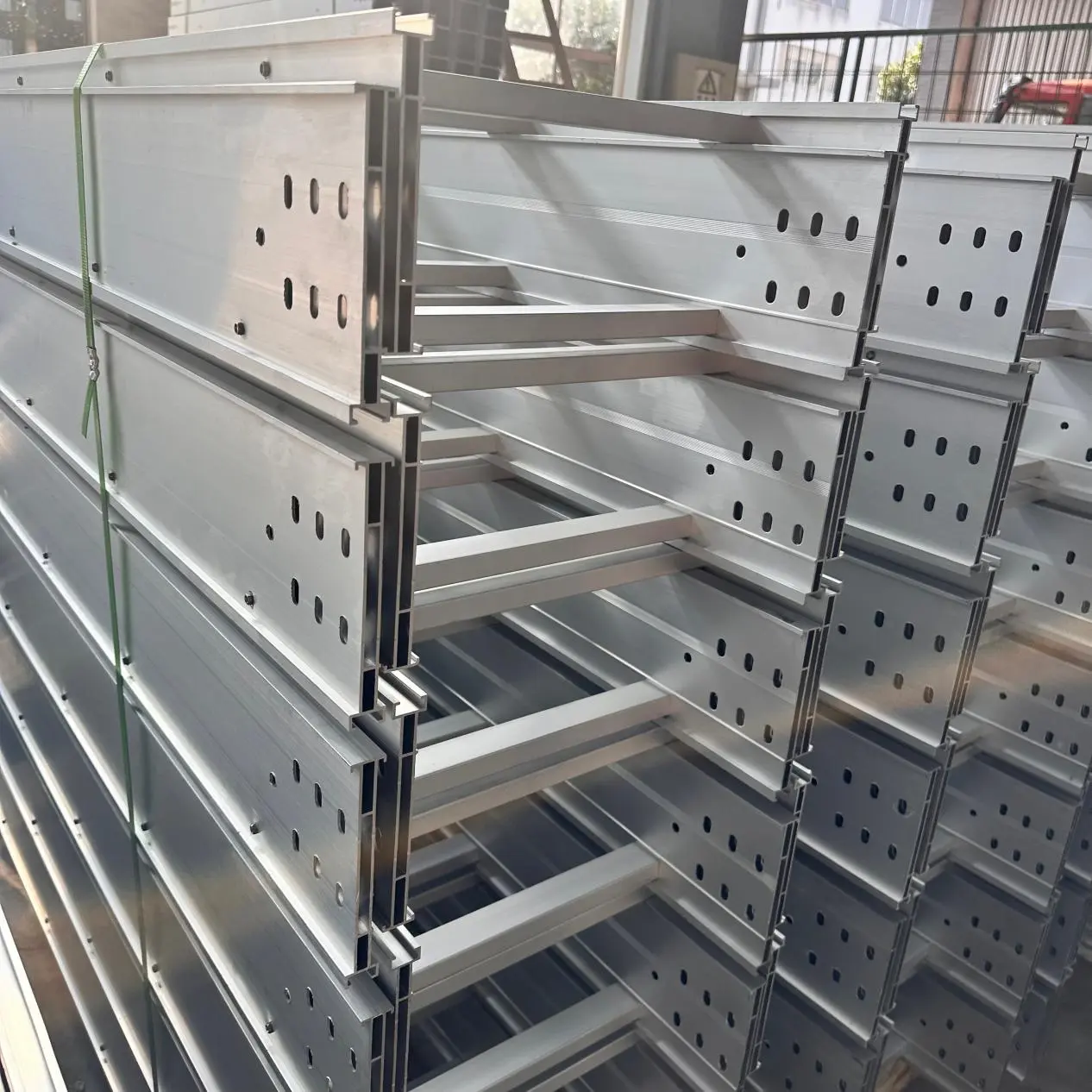
Unlike enclosed conduits, cable ladders feature a rigid, open-sided design with rung-like crossbars, offering superior strength, ventilation, and unparalleled ease of access for maintenance and upgrades. This unique combination of features makes them the preferred choice for challenging environments.
Industrial Powerhouses: The Primary Domain
The most significant application of cable ladders is found in heavy industry. Manufacturing plants and automation facilities rely on them to support the thick, high-voltage power cables that feed massive machinery and assembly lines, such as those in automotive production. Their high load-bearing capacity prevents sagging over long distances, ensuring safety and reliability.
In energy generation and distribution, such as in power plants and electrical substations, cable ladders are indispensable. They safely route immense bundles of power distribution and control cables, capable of withstanding the extreme heat and electromagnetic forces present. Furthermore, in corrosive environments like oil refineries, chemical processing plants, and water treatment facilities, stainless steel or hot-dip galvanized cable ladders are specified for their exceptional durability and resistance to degradation.
The Digital Backbone: Data Centers and IT
A critical and growing application is within the technology sector. Modern data centers, the heart of the global internet, utilize cable ladders extensively in their overhead infrastructure. They provide an ideal pathway for managing the immense quantity of fiber optic and copper data cables connecting server racks. The open design promotes crucial airflow, aiding in cooling efficiency, and allows technicians to swiftly reconfigure networks to meet evolving demands.
Commercial and Public Infrastructure
Beyond factories and server rooms, cable ladders form the hidden circulatory system of large-scale public and commercial spaces. Airports, railway stations, and hospitals use them to organize the complex webs of cables for lighting, security systems, fire alarms, and public address systems. Their reliability is paramount for life safety and operational continuity.
In large commercial complexes and skyscrapers, they are installed in electrical riser shafts and equipment rooms to manage main power feeders and backbone communication cables, offering a future-proof solution that simplifies adding new cables.
Specialized and Heavy-Duty Applications
The utility of cable ladders extends to some of the most demanding environments. In mining operations, they support power cables for heavy machinery like conveyor belts and crushers. In ports and shipping yards, they are integral to the moving power supply for massive gantry cranes. They are also a staple in transportation tunnels and underground utility corridors, where they carry cables for lighting, ventilation, and control systems, often with special coatings to resist damp conditions.
As technology advances and industries require more power and data, the role of the humble cable ladder will only continue to expand, solidifying its position as an unsung hero of the built environment.
About Cable Ladders: A cable ladder is a type of cable management system consisting of two longitudinal side rails connected by individual transverse rungs. It is designed to support heavy cables and is known for its high mechanical strength and open ventilation.
 |  |