





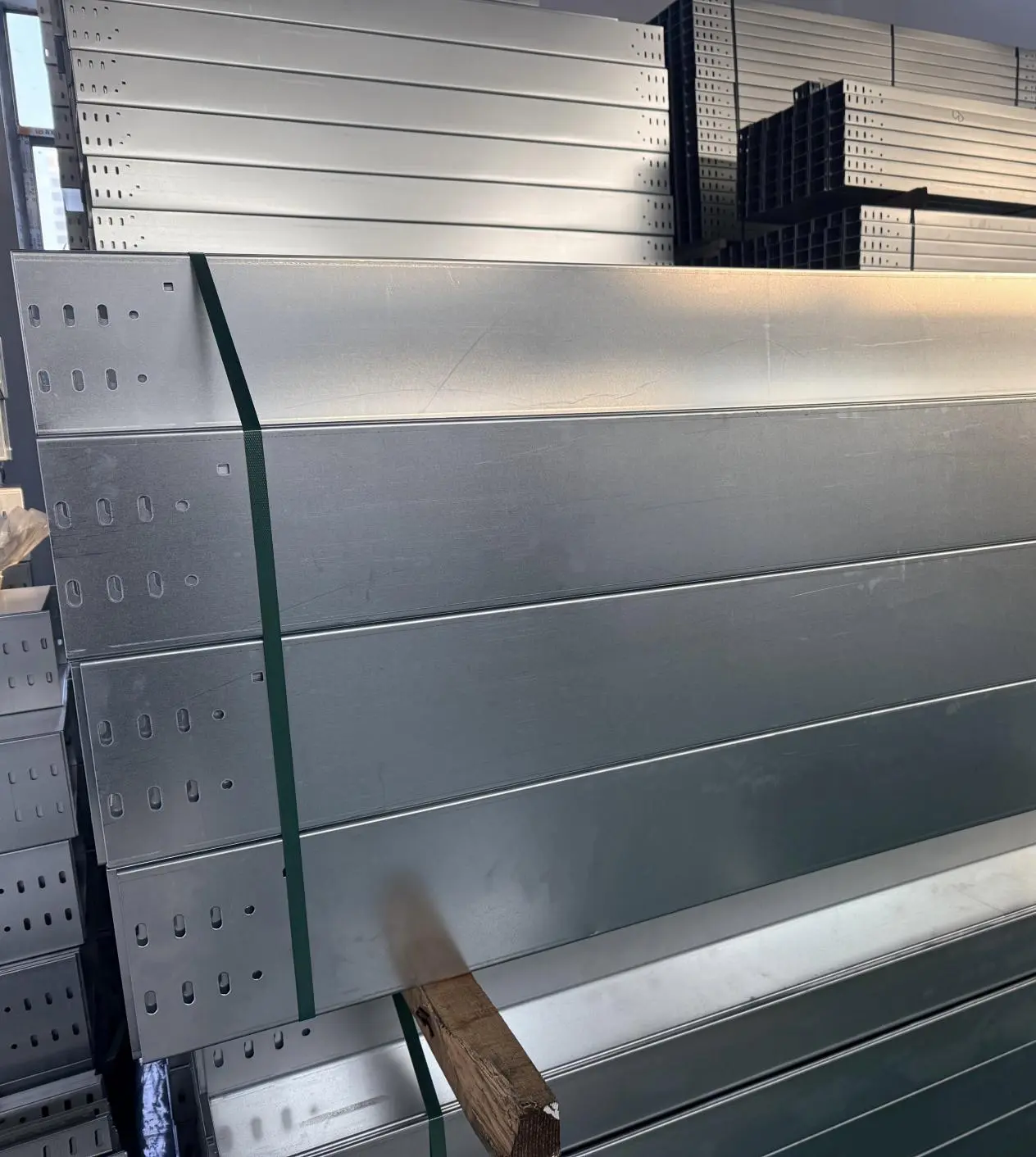

What Types of Cable Trays Are Commonly Used in Subway Stations?
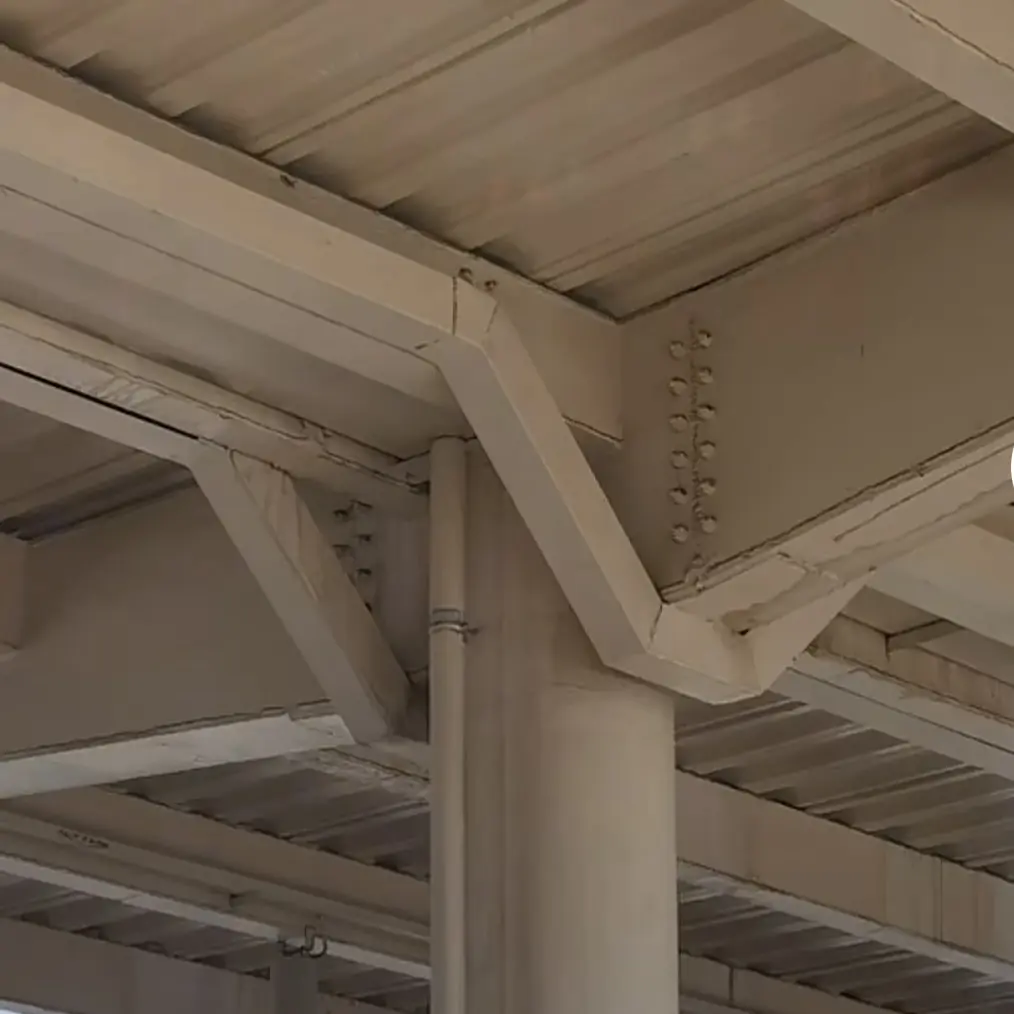
1.Fiber Reinforced Polymer (FRP) Trays: The Dominant Choice
Why They Dominate:
Inherent Non-Conductivity: Being electrically insulating, Frp Trays eliminate stray current corrosion risks–a major concern near DC traction power systems – and minimize electromagnetic interference (EMI) for sensitive signaling and communication circuits.
Exceptional Corrosion Resistance: FRP withstands the humid underground environment, condensation, cleaning agents, and potential chemical exposure, ensuring long service life with minimal maintenance.
High Strength-to-Weight Ratio: They provide adequate load-bearing capacity for cables while being significantly lighter than steel, reducing structural load and easing installation.
Typical Applications: Widely used throughout public areas (concourses, platforms), equipment rooms (HVAC control, communications, low-voltage rooms), and running tunnels for both power and low-voltage cable distribution.
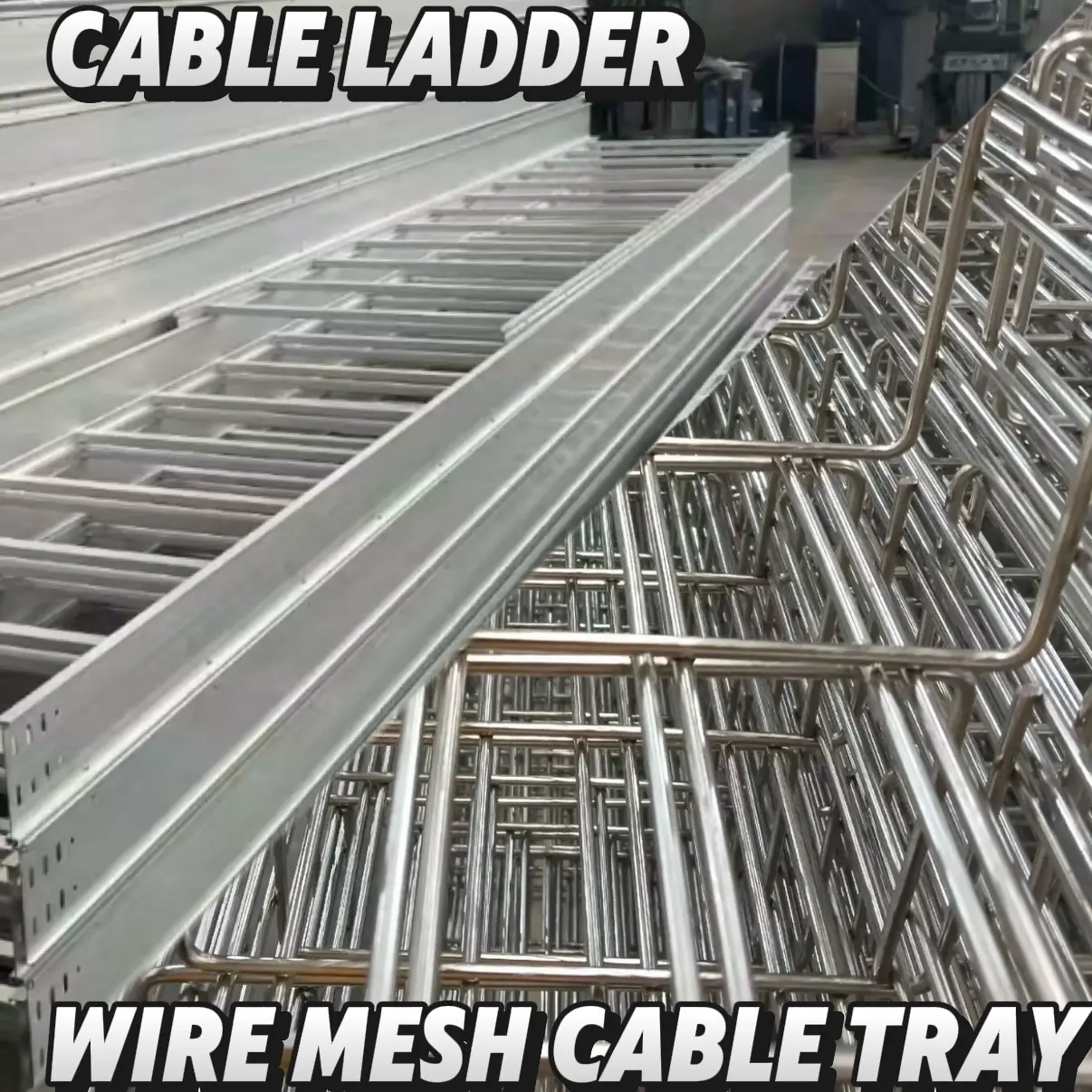
2.Hot-Dip Galvanized Steel (HDG) Trays: Limited, Condition-Specific Use
Application Context: Primarily found within specific equipment rooms (e.g., some substations, ventilation plants) where fire risk is highly managed and extreme mechanical strength is paramount, subject to stringent conditions.
Advantages: Unmatched Mechanical Strength and Load Capacity.
Potentially Lower Initial Material Cost compared to FRP.
Critical Requirements & Drawbacks:
Enhanced Corrosion Protection is Mandatory:
Standard HDG (with zinc coating thickness exceeding minimum standards) is the baseline. In highly corrosive zones (damp, coastal), additional coatings (e.g., epoxy powder) are often necessary, adding cost.
Fire Safety Relies on Ancillary Measures:While steel is non-combustible, the cables within are fuel. Comprehensive fire stopping systems are absolutely essential. Trays themselves may need fire-rated coatings or integral fire barriers to meet strict fire resistance duration requirements.
Stray Current Management is Critical: As conductors, Hdg Trays require full electrical isolation from support structures (using insulated fixings/pads) and connection to a dedicated stray current collection system (SCCS) via drainage points to prevent electrochemical corrosion of structural steel and the trays themselves. This adds complexity and cost.
3.Aluminum Trays: Niche Applications with Caveats
Advantages:
Excellent Natural Corrosion Resistance to atmospheric and humid conditions.
Lightweight with Good Strength.
Aesthetic Appeal.
Non-Magnetic Properties, minimizing EMI for sensitive low-voltage systems.
Applications and Significant Considerations:
Primarily used in areas prioritizing appearance (certain equipment rooms) or dedicated low-voltage/communication pathways where EMI mitigation is crucial.
Higher Cost than HDG steel.
Fire Performance Limitations: Aluminum has a relatively low melting point (~660°C). Under intense fire conditions, it can lose structural integrity faster than steel. Therefore, its use is typically restricted to areas with lower fire loads, robust fire compartmentalization, or less stringent fire resistance duration demands.
Stray Current Management: Like steel, aluminum trays require full electrical isolation and connection to the SCCS to mitigate corrosion risks.
Key Selection Drivers in Subway Stations:
1.Fire Safety Supreme: Compliance with stringent national and subway-specific fire codes is non-negotiable. Trays must offer high flame retardancy, LSZH properties, and integrate seamlessly with fire stopping systems to achieve mandated fire resistance durations.
2.Corrosion Resistance:The humid, potentially chemical-laden underground environment necessitates materials inherently resistant to degradation (FRP, Aluminum) or steel with exceptionally robust, long-lasting protective coatings.
3.Stray Current Mitigation:Proximity to DC traction systems makes non-conductive FRP trays the safest, simplest solution. Metallic trays require complex, costly, and meticulously maintained isolation and drainage systems.
4.Structural Performance:Trays must reliably support the weight of cable bundles over their design span without excessive deflection or failure.
5.EMI Considerations: Non-conductive FRP or non-magnetic aluminum are preferred for sensitive low-voltage signal and communication cables to prevent interference.
6.Lifecycle Cost:While initial cost is a factor, longevity, minimal maintenance requirements, and avoidance of corrosion/stray current damage make FRP highly cost-effective over the asset's life.
Conclusion
Non-conductive Frp Cable trays are unequivocally the primary and preferred solution in modern subway station construction and retrofits. Their ability to simultaneously satisfy the paramount requirements of corrosion resistance, stray current immunity, structural adequacy, and EMI control makes them the most reliable and efficient choice for the vast majority of applications, especially within public areas and tunnels.
Hot-dip galvanized steel trays retain a niche role in specific high-load equipment rooms but demand rigorous corrosion protection, comprehensive fire stopping, and complex stray current mitigation, increasing project risk and lifecycle costs. Aluminum trays offer benefits for low-voltage/EMI-sensitive areas but share the fire performance and stray current management challenges of steel.