


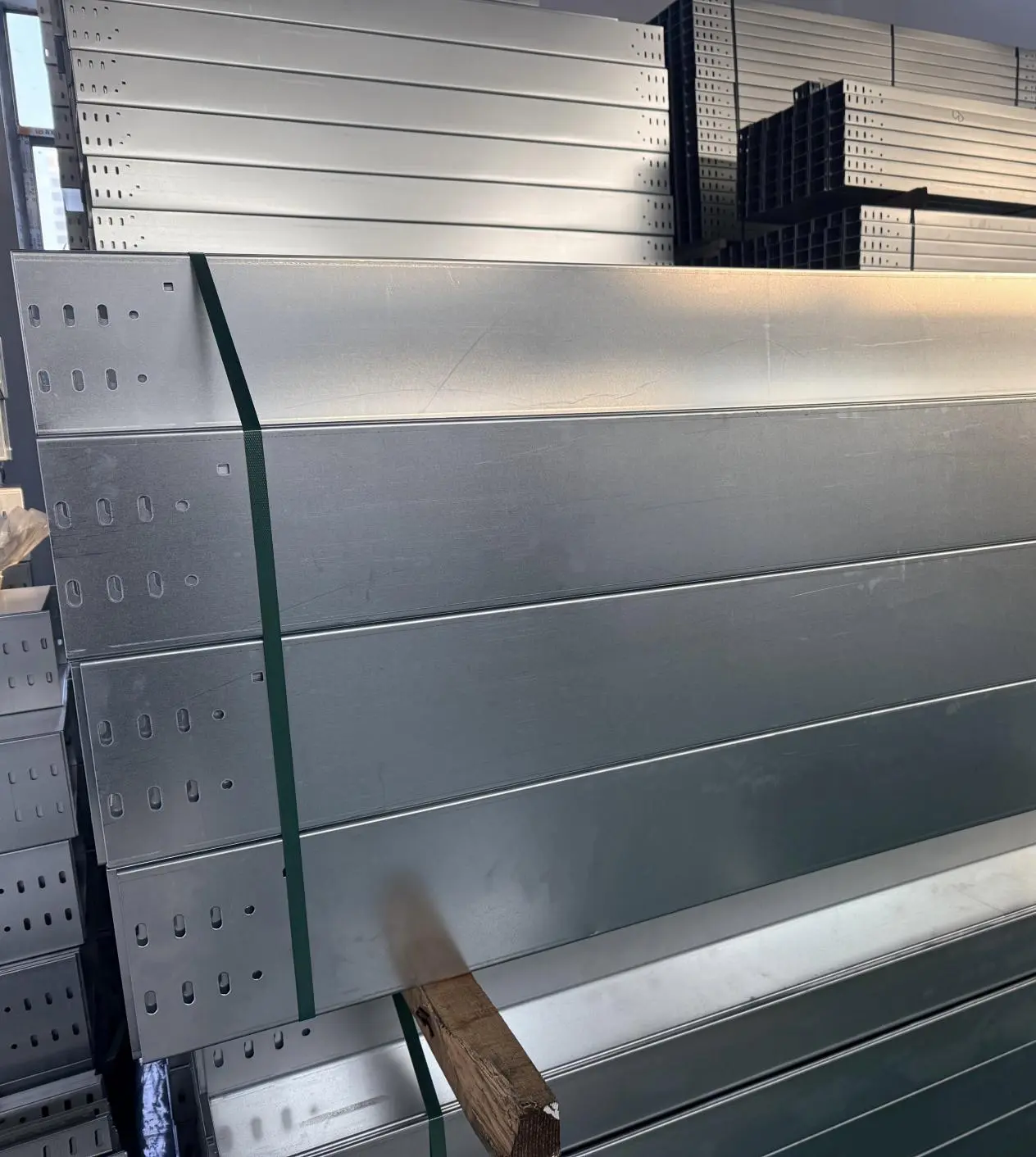

The Future of Cabling with Molded Cable Tray Designs
The Evolution of Cable Management Systems
Over time, engineers sought materials and designs that could endure harsher environments while simplifying installation. Molded trays, crafted with advanced polymers and resins, emerged as a modern alternative, reshaping expectations of performance and reliability.
Industrial projects demand systems that are lighter, faster to install, and capable of withstanding chemical exposure and extreme climates. Molded cable trays deliver on these needs, providing a competitive edge over traditional metallic counterparts. Their design ensures longevity, reduces maintenance, and supports industries striving for uninterrupted operations.
As sustainability moves from aspiration to requirement, molded trays align with this shift. Their materials are engineered for long life cycles, minimizing replacements and waste. This durability contributes to both economic savings and environmental stewardship—two priorities that now dominate modern construction and industrial planning.
What Makes Molded Cable Tray Designs Unique
Understanding the molding process and material advantages
The molding process employs composite materials, often reinforced with FRP or metal, that are shaped into seamless, uniform structures. This technique eliminates weak points, creating trays with superior strength-to-weight ratios and consistent quality across production.
Structural strength with lightweight composition
Despite their lighter weight, molded trays are remarkably robust. They carry heavy cable loads without warping or bending, enabling easier handling during installation while ensuring long-term stability in demanding conditions.
Unmatched Benefits of Molded Cable Tray Systems
Enhanced longevity in harsh industrial environments
Molded trays thrive in chemical plants, offshore facilities, and high-humidity zones. Their resilience against environmental aggressors ensures decades of reliable service, far outlasting many traditional options.
Design Flexibility for Modern Infrastructure
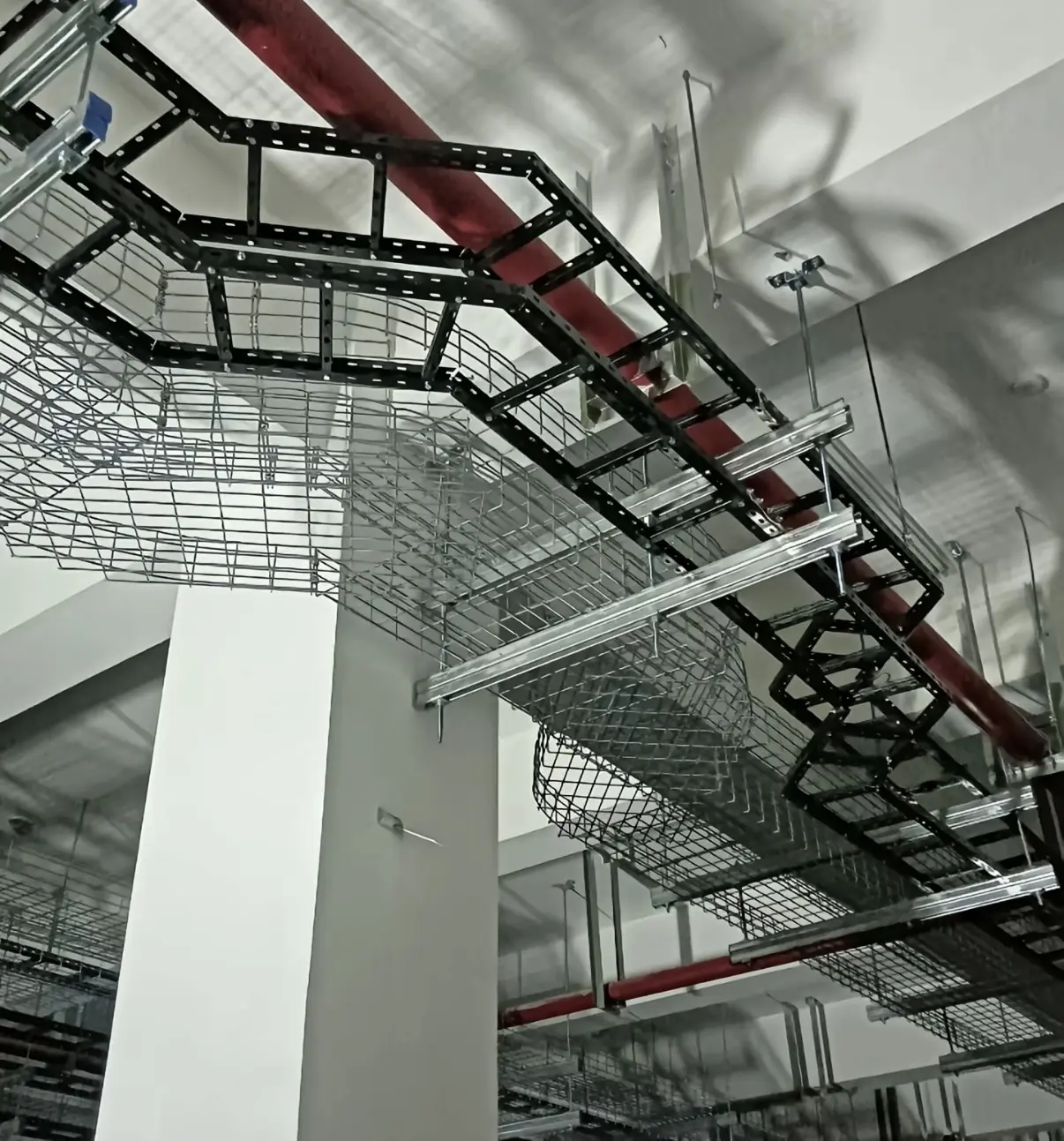
Modular and adaptable configurations for complex layouts
Molded trays are designed with modularity in mind. They adapt seamlessly to intricate routing requirements, making them ideal for large-scale infrastructure projects with complex Cable Pathways.
Aesthetic appeal in exposed installations
In modern architecture, exposed cabling is often part of the design. Molded trays provide a sleek, uniform appearance that enhances rather than detracts from the visual environment.
Integration with advanced fittings and support systems
Engineered for compatibility, molded trays easily integrate with contemporary fittings and support mechanisms, offering contractors greater flexibility in design and execution.
Industry Applications Driving Adoption
Energy, oil, and gas facilities requiring extreme durability
The oil and gas sector faces constant exposure to corrosive agents and harsh climates. Molded trays offer unmatched resilience, making them indispensable in such critical industries.
Commercial and residential projects with design focus
For high-rise buildings, malls, and residential complexes, molded trays provide both practicality and visual appeal. They ensure safety and reliability without compromising aesthetics.
Data centers and telecommunications demanding reliability
Data centers require absolute reliability to protect sensitive cabling networks. Molded trays deliver consistent performance, ensuring uninterrupted connectivity and secure infrastructure.
Sustainability and the Future of Cabling
Eco-friendly materials and recyclable components
Manufacturers increasingly prioritize recyclable materials in molded trays, supporting eco-friendly construction practices and contributing to circular economies.
Reducing carbon footprint with long service life
Their extended durability means fewer replacements, lowering the overall carbon footprint associated with production, transport, and installation.
Meeting future regulatory and environmental standards
With global regulations tightening, molded trays are engineered to exceed current benchmarks and adapt to future sustainability requirements.
Installation Advantages That Save Time and Cost
Simplified handling with lightweight molded structures
Contractors benefit from the lightweight composition of molded trays, which reduces labor effort and speeds up handling on-site.
Faster installation with pre-engineered components
Pre-fabricated fittings and modular parts allow for quicker assembly, cutting down installation timelines and costs.
Compatibility with diverse cable types and load requirements
Engineered for flexibility, molded trays accommodate a wide range of cable types, ensuring they meet the diverse demands of modern infrastructure.
The Road Ahead for Molded Cable Tray Designs
Innovations shaping next-generation cable management
Advancements in composite materials and smart design are pushing molded trays into new realms of strength, efficiency, and adaptability.
Expanding adoption across global infrastructure projects
As industries recognize the long-term value, adoption of molded trays is expanding worldwide, setting new benchmarks for cable management.
Why molded trays represent the future standard in cabling
Their blend of durability, sustainability, and cost-effectiveness positions molded trays as the inevitable standard for future cabling solutions.
Conclusion
Molded cable tray designs mark a turning point in cable management, offering strength without weight, safety without compromise, and sustainability without added cost. As industries evolve, these trays provide a solution that is not only fit for today but also prepared for the challenges of tomorrow. The future of cabling lies in molded design—resilient, adaptable, and built to last.