





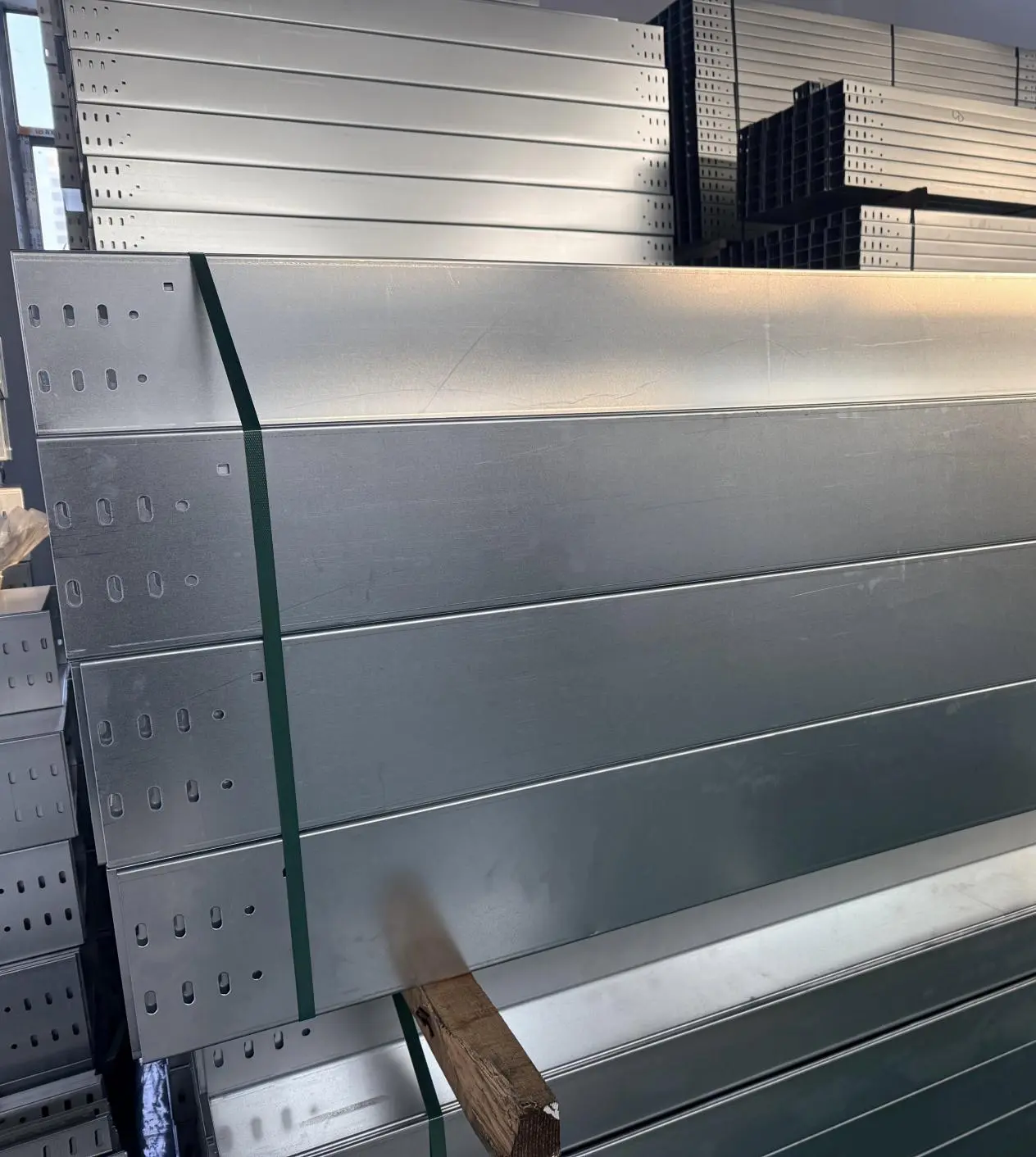

The Evolving Role of Cable Trays: Material Selection for Diverse Industrial Applications
Cable Trays, once primarily used in real estate and commercial construction for organizing and protecting electrical wiring, have significantly expanded their role in modern industries.
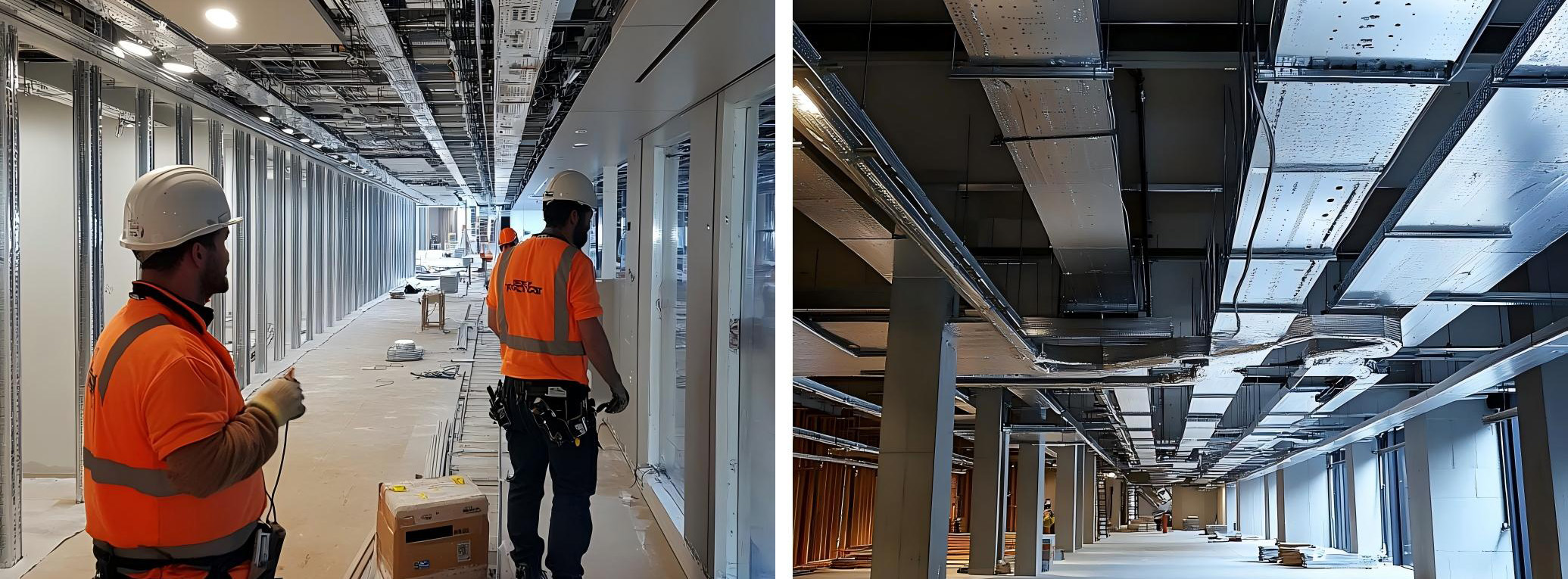
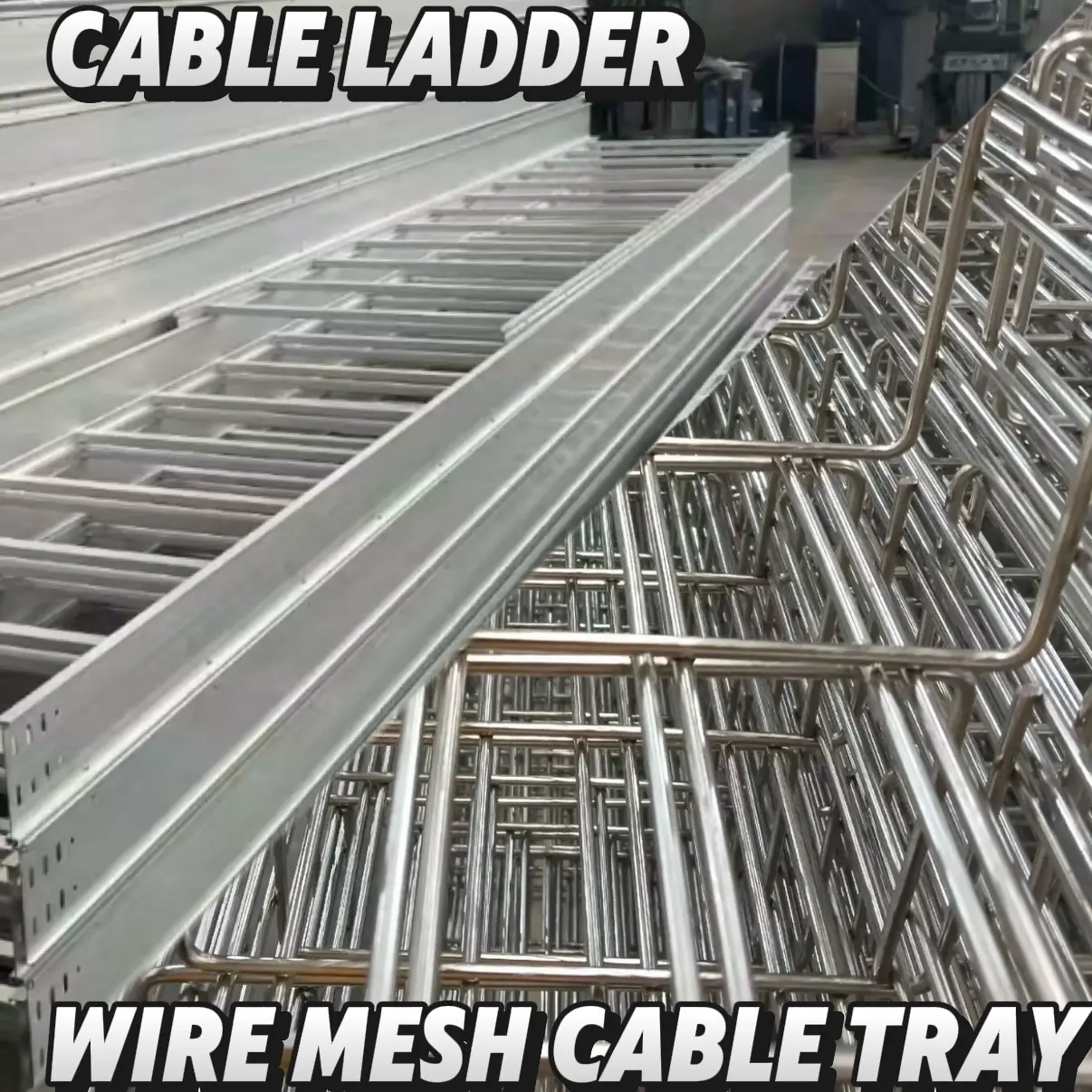
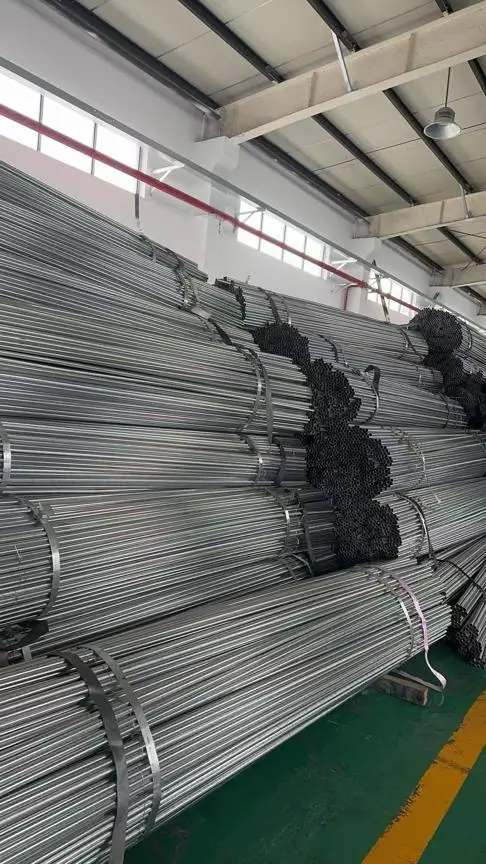
Image 1 & 2 ; Residential Cable Tray Construction working.
In traditional building applications, cable trays were typically made from materials like mild steel or aluminum. However, with the increasing need for durability and resistance in more demanding industries, the material selection has evolved. In sectors such as clean energy, manufacturing, and mining, the properties of the materials used in cable trays are crucial to their effectiveness. As the demands of various sectors grow, cable trays are being customized to meet specific requirements, with material selection playing a critical role in ensuring their performance and longevity in diverse environments.
For instance, in mining operations, where harsh environmental conditions and the potential for extreme temperatures and abrasive environments are common, cable trays must be built to withstand these challenges. Stainless steel and hot-dip galvanized steel are often used in these applications due to their superior corrosion resistance and durability. These materials ensure that the cable trays can endure harsh chemicals, heavy moisture, and intense wear, providing a service life of 10 to 20 years, which is essential for the long-term success of mining operations.

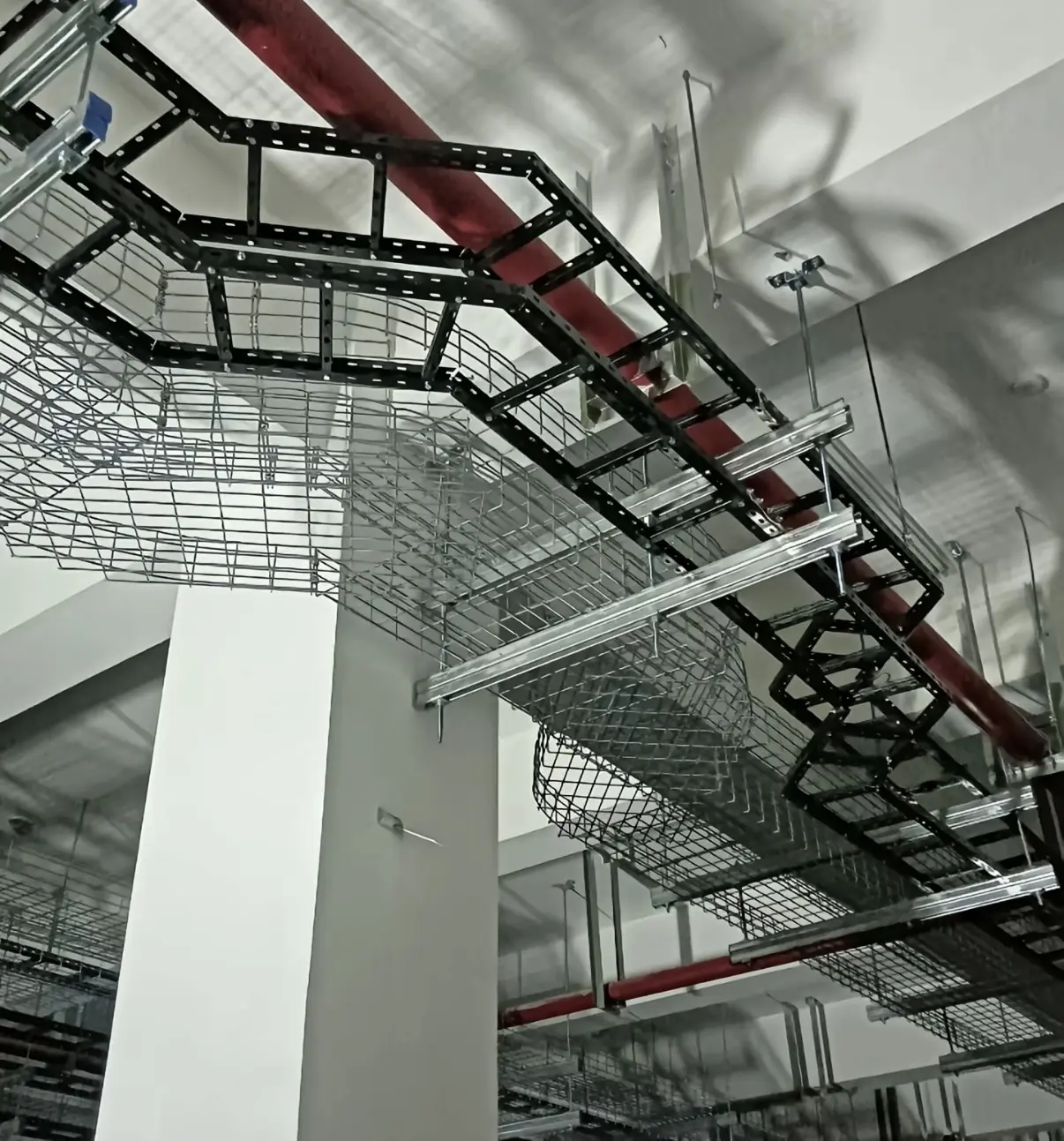
Image 3:Cleanning energy transmission.
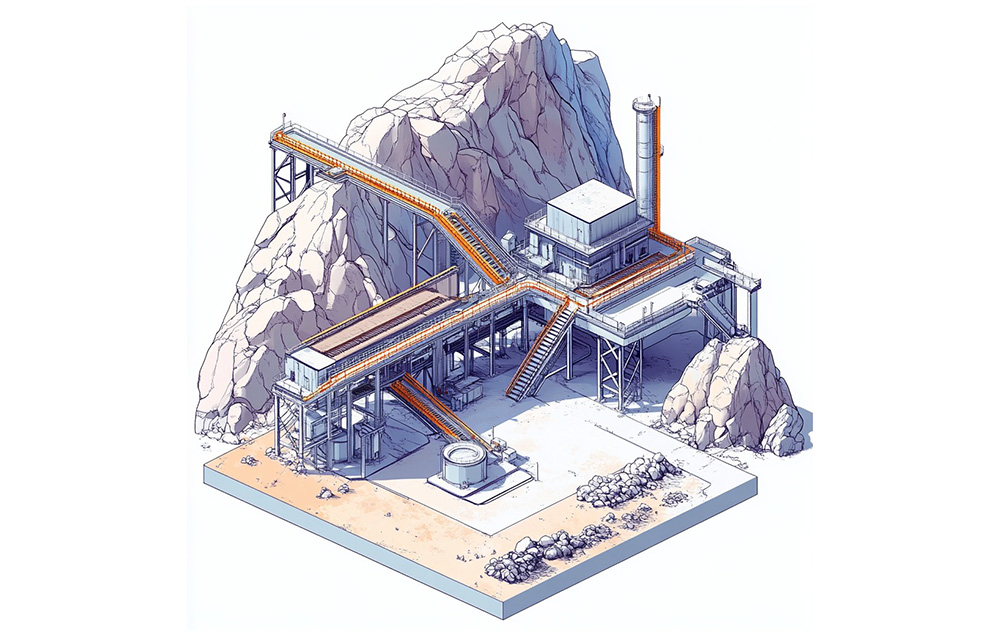
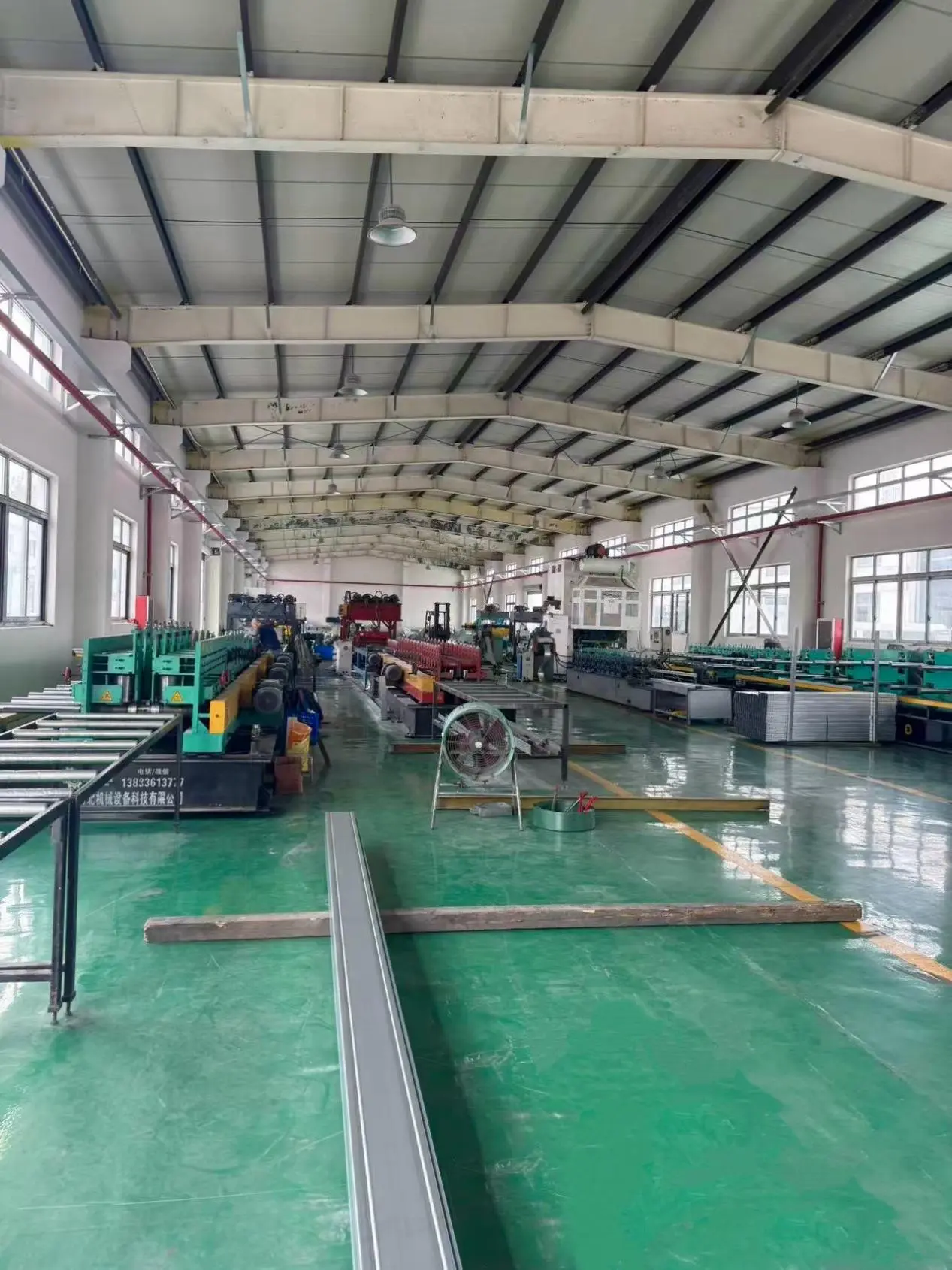
Image 4: Cable tray system working in a mining field.
In the clean energy sector, such as solar farms or wind energy installations, cable trays need to be resistant to outdoor weather conditions, including UV exposure and temperature fluctuations. Materials like aluminum or galvanized steel are commonly chosen for their combination of lightness, corrosion resistance, and strength. These materials allow cable trays to withstand the elements while ensuring efficient power transmission from renewable energy systems.
In industrial factories and manufacturing plants, where cable trays support heavy-duty cables powering large machinery and automated systems, the material choice is influenced by the weight and type of cables being managed. Cable trays made from materials with high load-bearing capacities, such as stainless steel or reinforced aluminum, provide the necessary strength and reliability for these applications.
The right material ensures thaT Cable Trays can meet the specific demands of each industry, offering long-lasting performance, protection, and safety. As industries evolve, so too does the need for customized cable management solutions that provide durability, cost-efficiency, and optimal functionality in even the most challenging environments.