





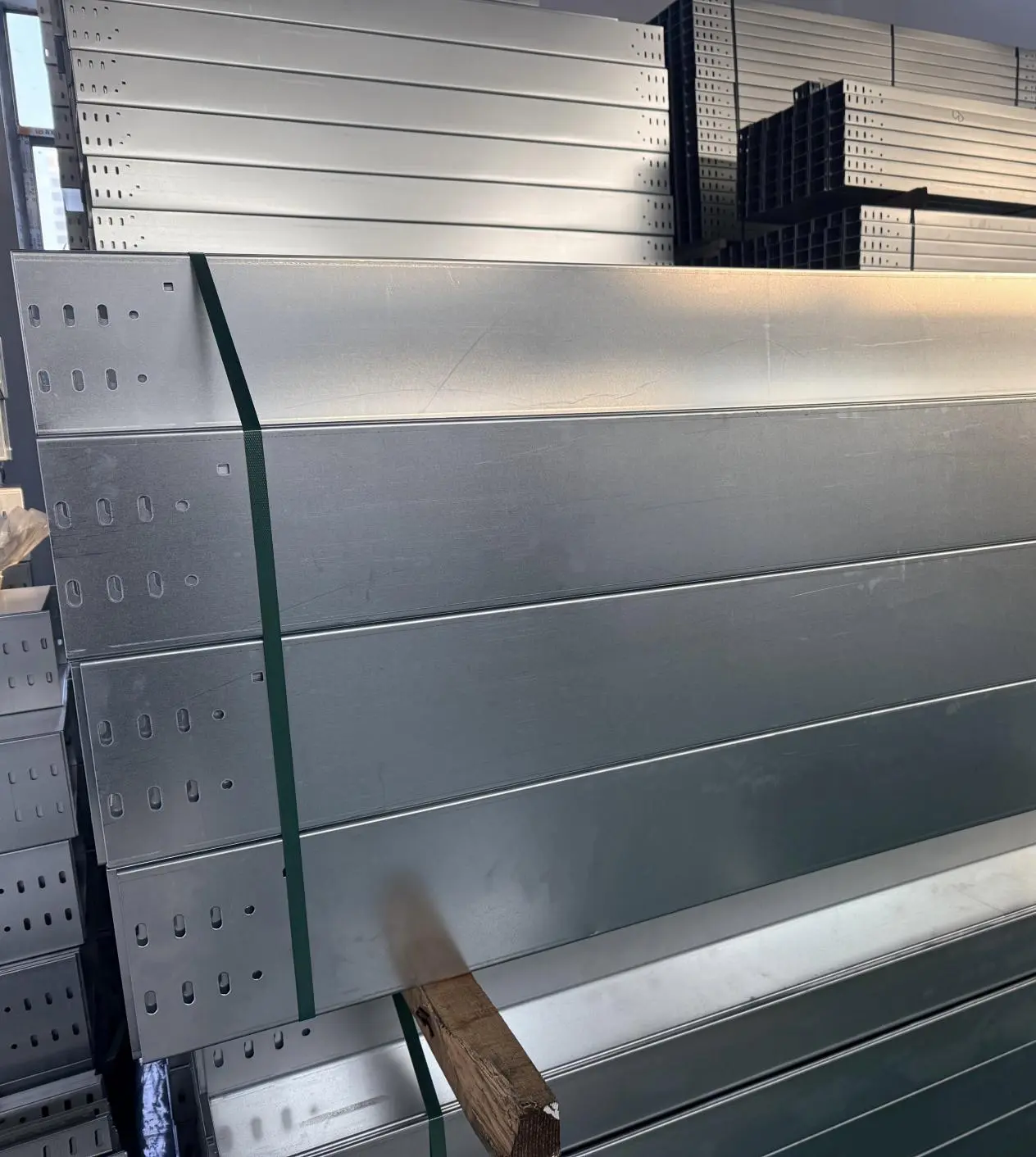

The Differences Between Ladder Cable Trays and Trough Cable Trays
Introduction
Why Understanding Tray Differences Matters for Installations
Choosing the correct type of cable tray isn’t just a matter of aesthetics or budget. It directly impacts system performance, longevity, heat dissipation, and compliance with safety standards. Missteps in selection can lead to excessive wear, compromised airflow, and costly maintenance. An in-depth understanding of the distinctions between ladder and trough cable trays empowers engineers and contractors to make decisions that enhance operational reliability and efficiency.
What Are Ladder Cable Trays?
Design and Structure of Ladder Cable Trays
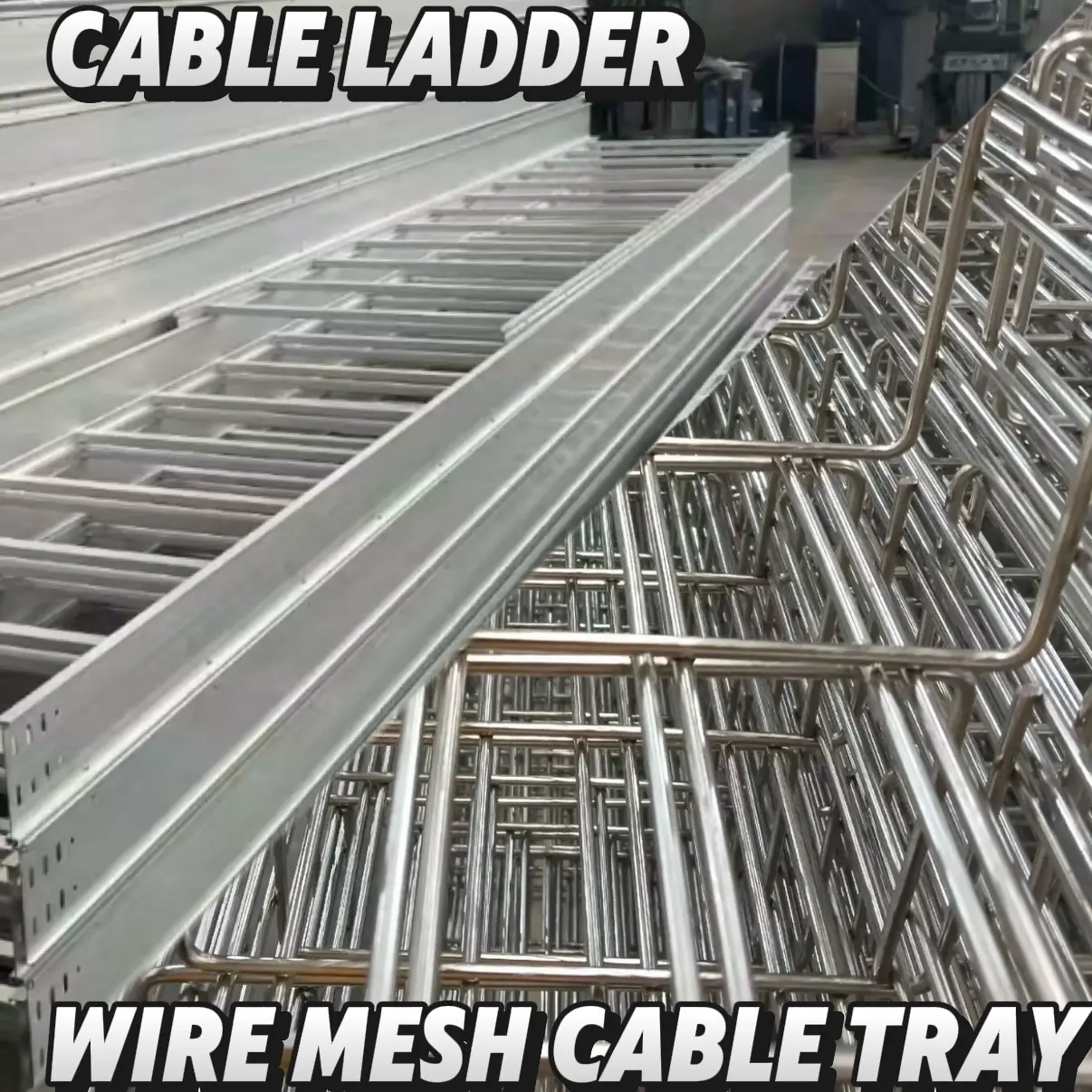
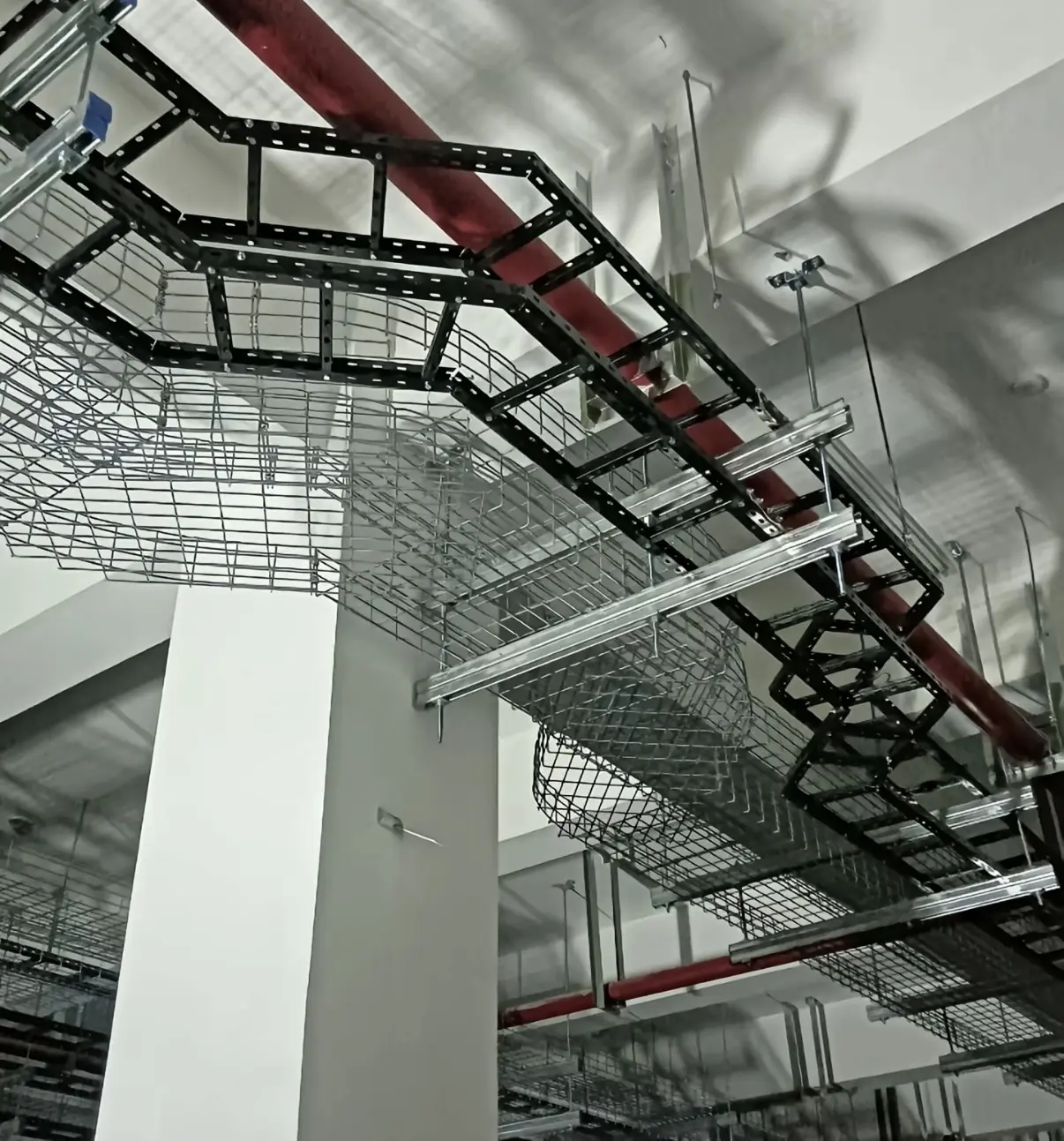
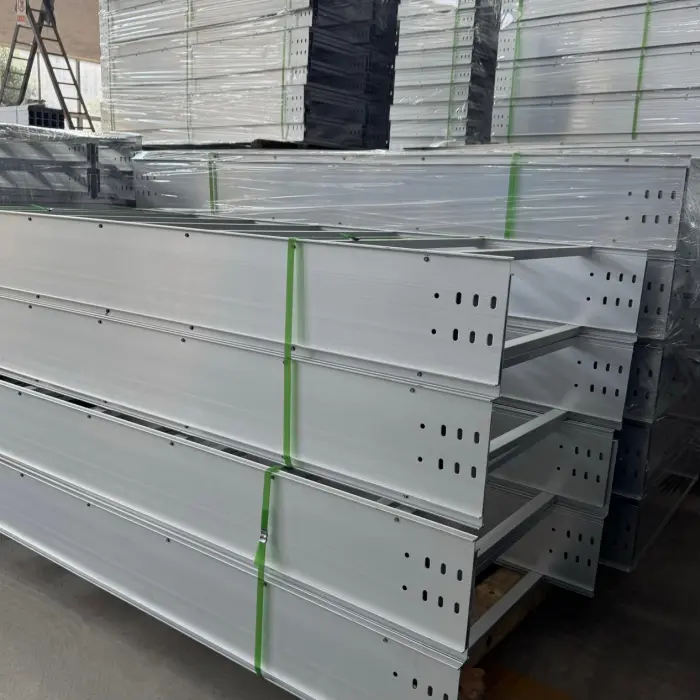
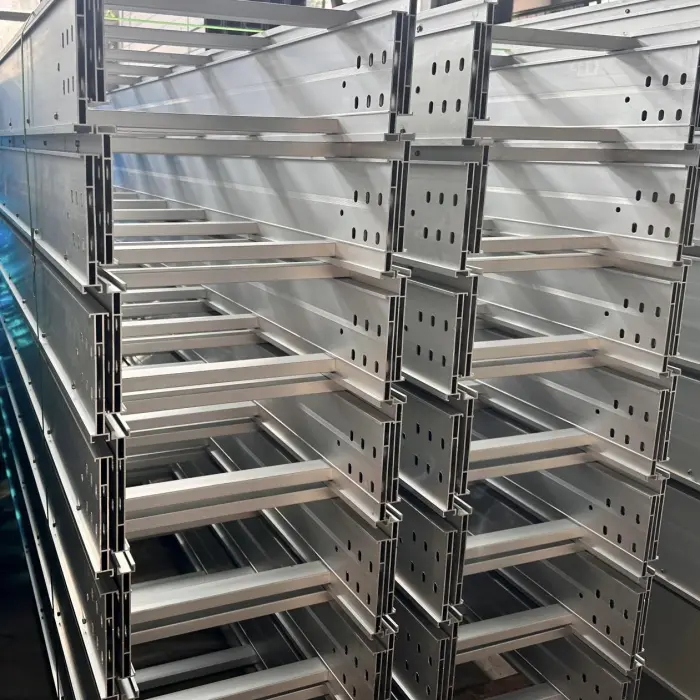
Ladder cable trays resemble the rungs of a ladder, with two longitudinal side rails connected by transverse rungs. This skeletal configuration allows for robust cable support while offering significant open space, which is critical for certain installation requirements. The spacing between rungs, typically 6 to 12 inches, ensures that cables remain well-supported without unnecessary bulk.
Common Materials and Finishes Used
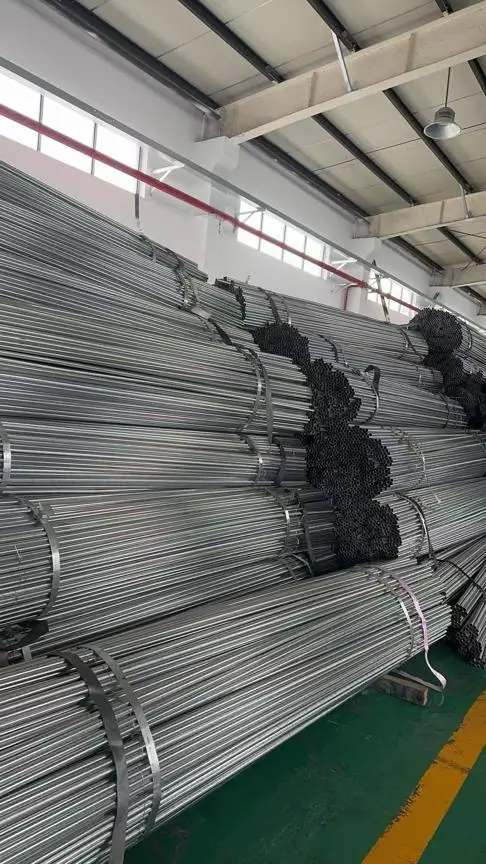
Ladder Trays are manufactured from materials like galvanized steel, aluminum, stainless steel, and fiberglass-reinforced plastic. These trays may be finished with powder coatings, hot-dip galvanization, or epoxy for corrosion resistance, particularly in outdoor or chemically aggressive environments.
Where Ladder Cable Trays Excel: Typical Applications
These trays shine in environments where airflow, cable accessibility, and high mechanical load are priorities. They are commonly used in power plants, data centers, refineries, and manufacturing facilities. Their open design makes them particularly effective in locations where heat dissipation and frequent cable modifications are routine.
Advantages of Using Ladder Cable Trays
Exceptional ventilation for thermal management
Easy to install and reconfigure cables
Lightweight with high structural integrity
Reduced long-term maintenance costs
Ideal for heavy-duty power cable support
What Are Trough Cable Trays?
Structure and Design Features of Trough Cable Trays
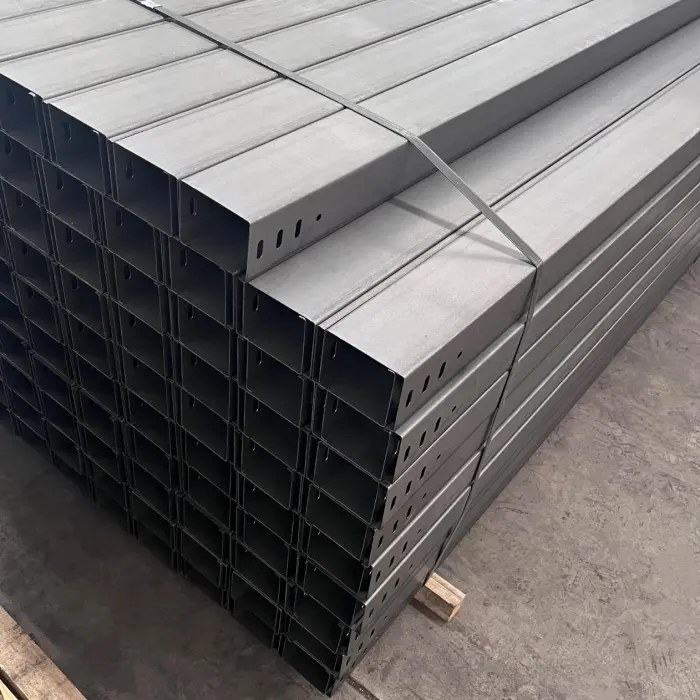
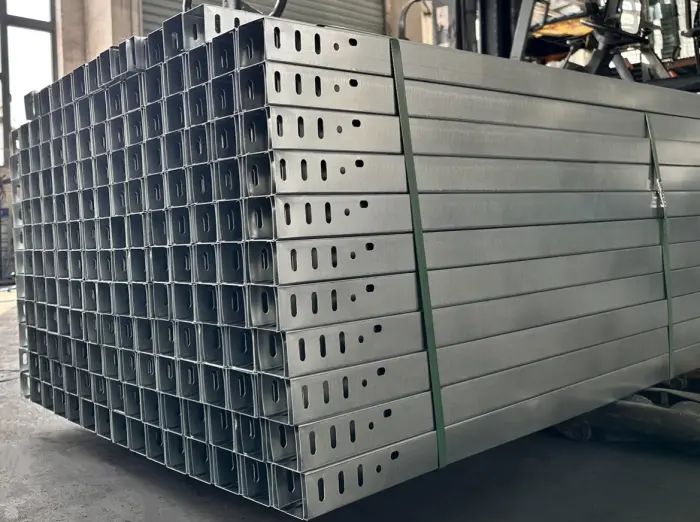
Trough cable trays feature a closed, U-shaped design with ventilated or solid bottoms and side rails. Unlike their ladder counterparts, they provide more enclosure for the cables, offering additional protection from environmental contaminants, mechanical interference, and debris.
Material Options and Coating Types
Trough trays are available in the same range of materials as ladder trays, but are often favored in fiberglass and stainless steel for use in corrosive environments. Finishes may include vinyl coatings or polyester resins for enhanced durability and resistance to chemicals, moisture, and UV exposure.
Ideal Environments for Trough Cable Trays
These trays are often deployed in facilities with higher levels of dust, moisture, or chemical exposure. Ideal for paper mills, water treatment plants, and food processing facilities, they protect sensitive wiring while maintaining order in complex routing systems.
Benefits of Trough Cable Trays in Cable Management
Better protection from falling objects and contaminants
Supports smaller, low-voltage or communication cables
Organized cable routing in dense installations
Reduces electromagnetic interference (EMI) with shielding options
Enhances system cleanliness in regulated environments
Key Differences Between Ladder and Trough Cable Trays
Structural Design: Open Rungs vs Enclosed Troughs
Ladder trays prioritize airflow and accessibility with their open-rung design, while trough trays emphasize containment and protection through enclosed channels. This fundamental difference defines their roles in various industries.
Ventilation and Heat Dissipation Capabilities
Ladder trays excel at passive heat dissipation due to their open structure, making them ideal for power cables that emit heat. Trough trays, with their enclosed design, may trap heat and require consideration of cable derating to prevent overheating.
Support and Load-Bearing Differences
While both tray types offer robust support, ladder trays typically handle heavier loads due to their structural simplicity. Trough trays are better suited for lighter cabling and environments where cable protection outweighs load requirements.
Ease of Cable Access and Maintenance
Ladder trays facilitate faster cable installation, inspection, and rerouting. Trough trays, though more secure, can be cumbersome when maintenance or modifications are needed, often requiring removal of covers or longer cable threading.
Cost Factors and Installation Considerations
Material, labor, and lifecycle maintenance costs differ significantly. Ladder trays are often more cost-effective in initial outlay and ongoing upkeep. Trough trays may incur higher upfront and maintenance costs but offer superior protection in niche environments.
Choosing the Right Cable Tray for Your Project
Factors to Consider: Load, Environment, and Cable Type
Project-specific variables such as cable weight, environmental exposure, space constraints, and required protection levels should dictate tray selection. Ladder trays suit high-load, heat-intensive scenarios. Trough trays cater to sensitive cabling in challenging conditions.
Common Mistakes to Avoid in Tray Selection
Overlooking tray fill capacity and future expansion
Neglecting ventilation requirements
Choosing material incompatible with the operating environment
Ignoring cable routing complexity and space limitations
Case Studies: Real-World Tray Selection Examples
In a coastal refinery, ladder trays made of hot-dip galvanized steel outperformed enclosed systems by allowing air circulation in high-heat zones. Conversely, a pharmaceutical plant selected trough trays to shield sensitive control wiring from humidity and particulate contamination.
Conclusion
Summary of Core Differences
Ladder cable trays offer openness, simplicity, and efficiency for high-performance environments. Trough cable trays provide added protection and order where containment is key. Each type has distinct advantages that align with specific project demands.
Making an Informed Choice for Long-Term Efficiency
Understanding the nuanced differences between these trays is essential for sustainable electrical design. The right choice enhances reliability, safety, and operational longevity.
Where to Get Quality Ladder and Trough Cable Trays
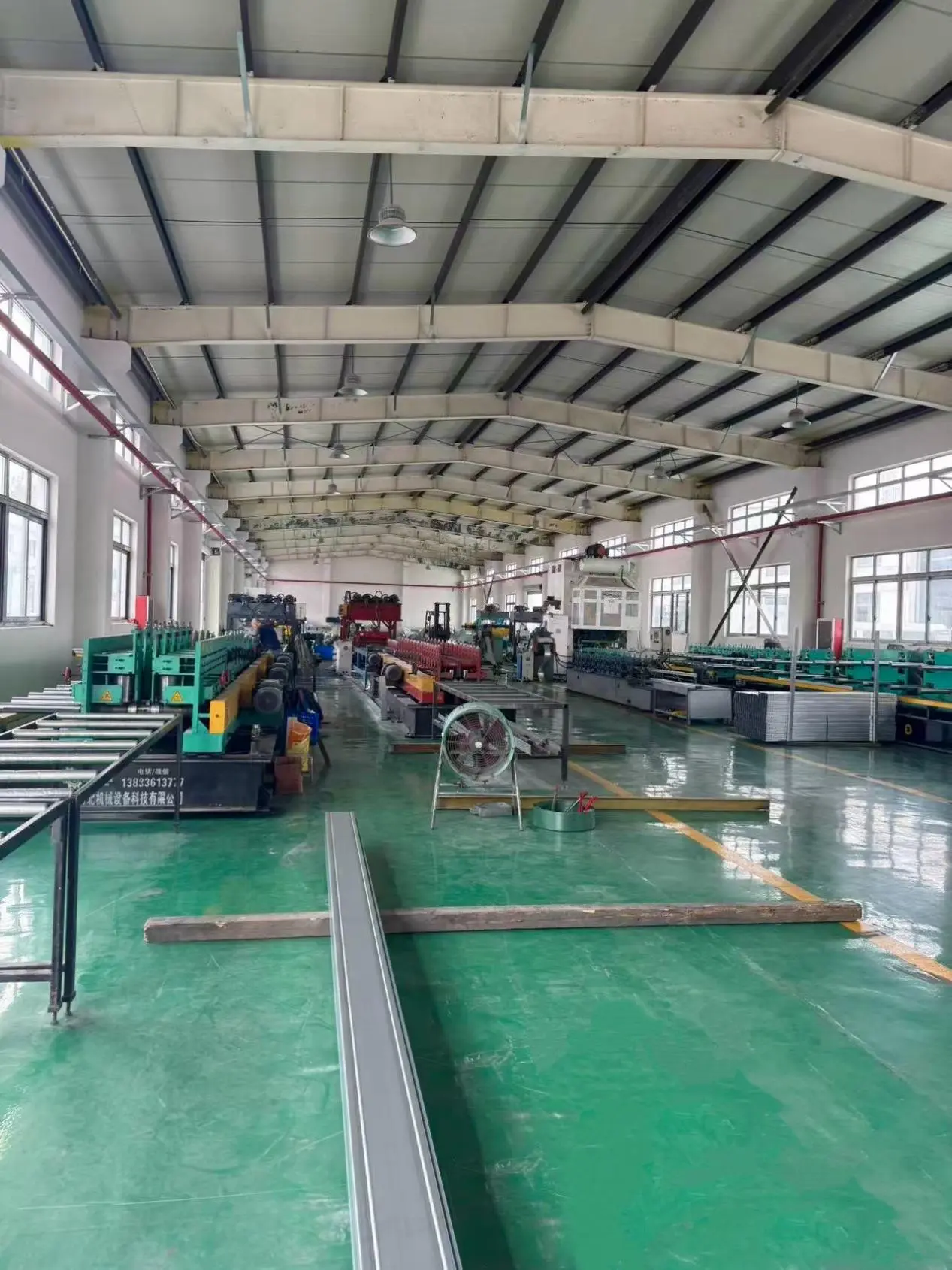
Reliable manufacturers and suppliers provide certified ladder and trough cable trays designed to meet a wide range of industry specifications—SHANGHAI QIONGKAI INDUSTRY CO., LTD. is a prime example. Sourcing from established providers guarantees durable, high-performance solutions and long-term reliability.