






PVC Cable Tray vs Metal Cable Tray: Which Wins?
Introduction
Choosing between PVC and metal cable trays is not a trivial decision. It can influence not only the performance and durability of your electrical system but also installation timelines, maintenance cycles, and overall project costs. Each material has distinctive advantages and limitations depending on environmental conditions, load requirements, and regulatory constraints. Making an informed decision requires a deeper dive into their respective properties.
Material Overview: What Are PVC and Metal Cable Trays?
Composition and Manufacturing Differences
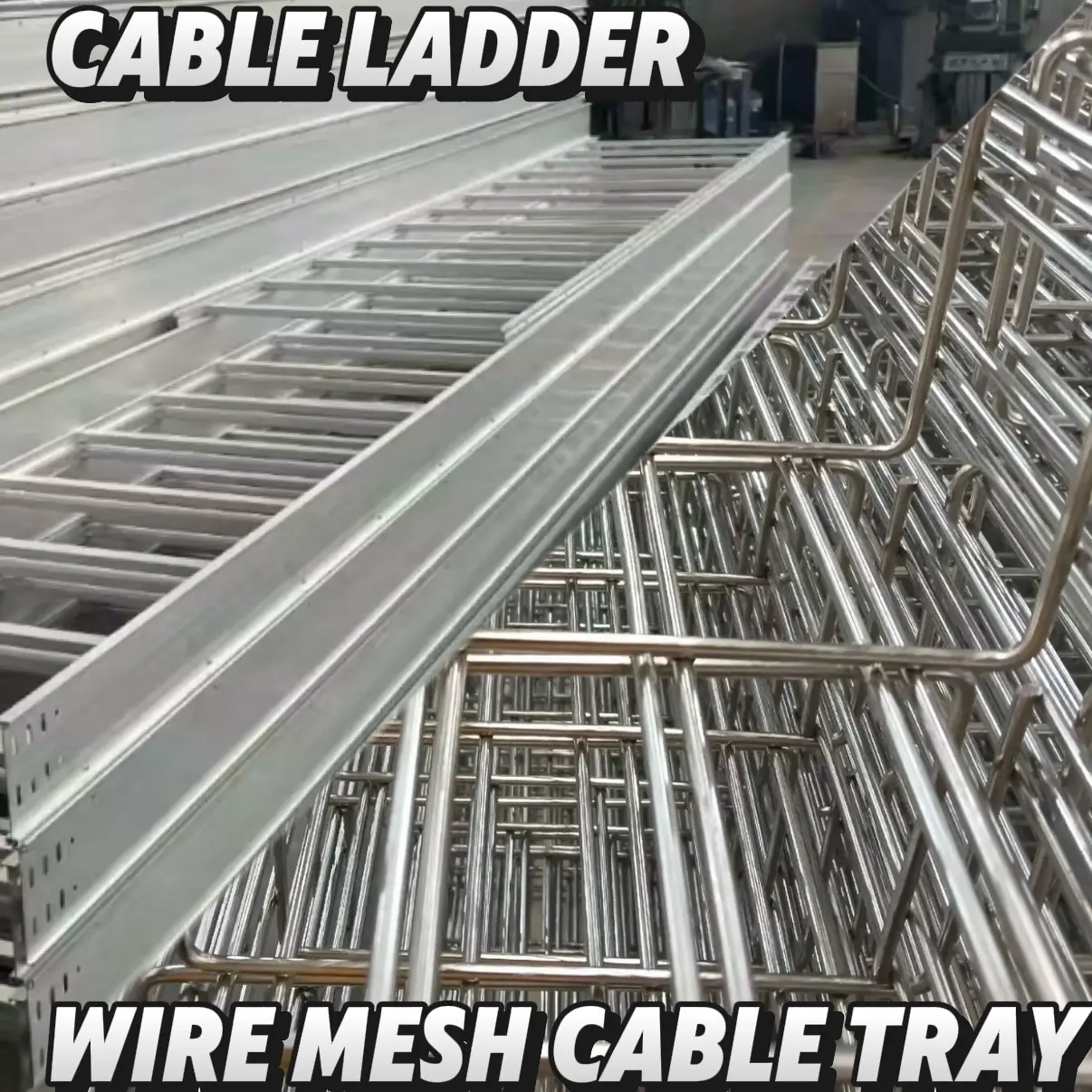
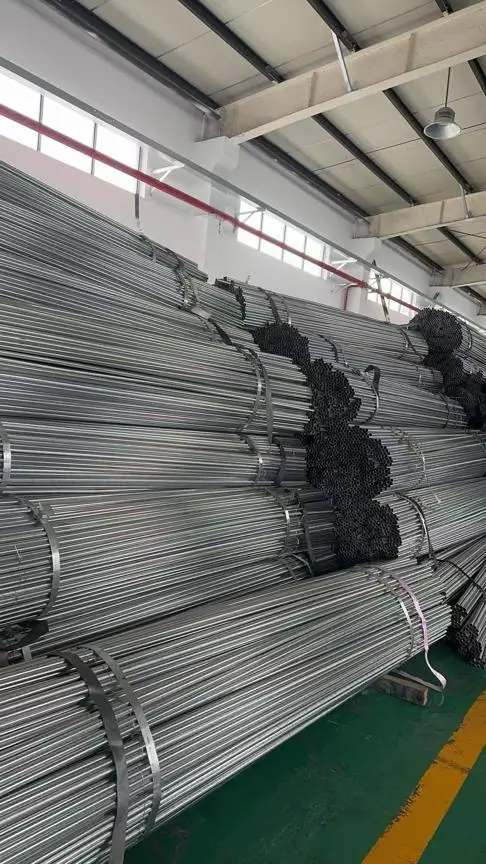
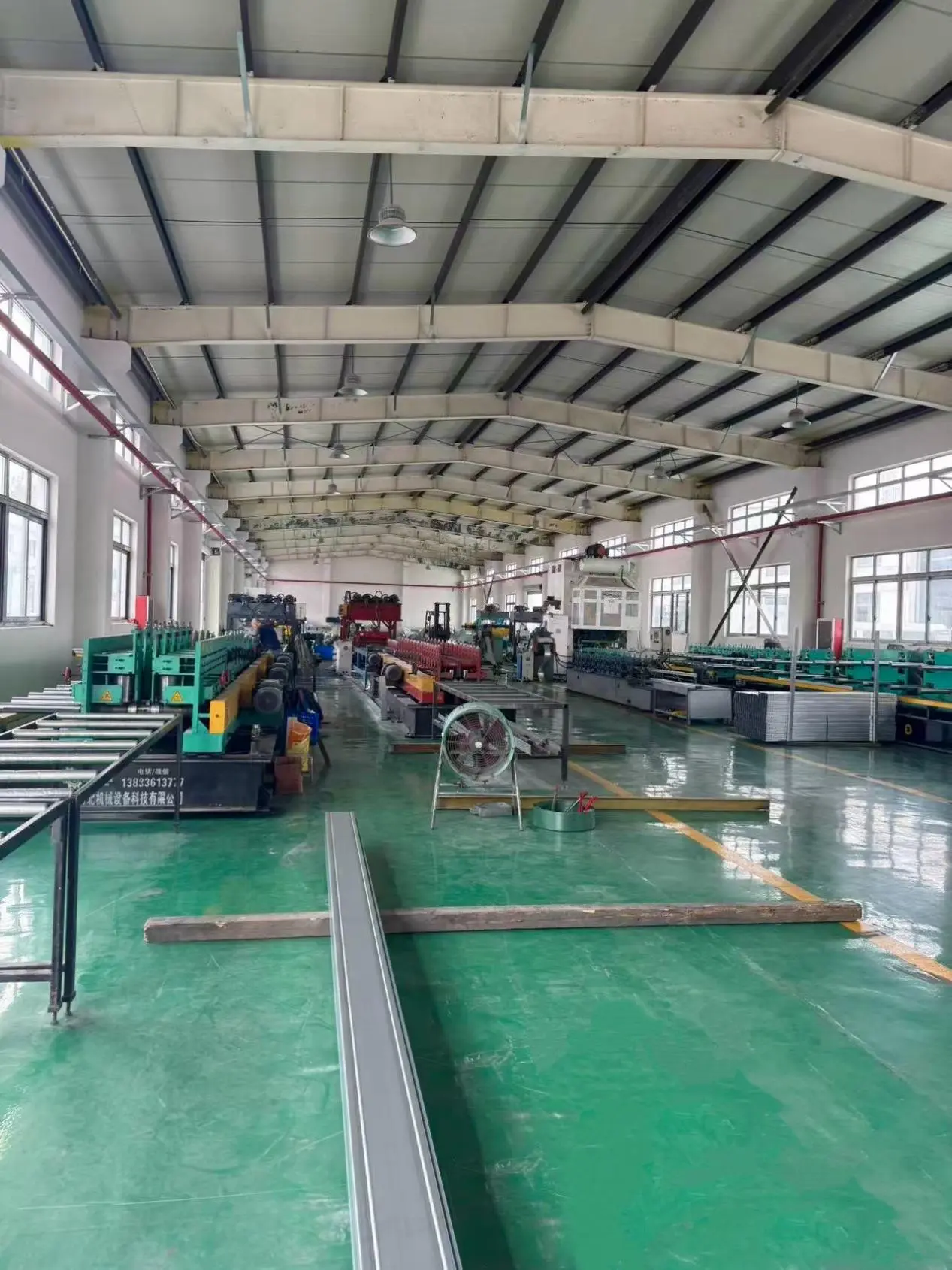
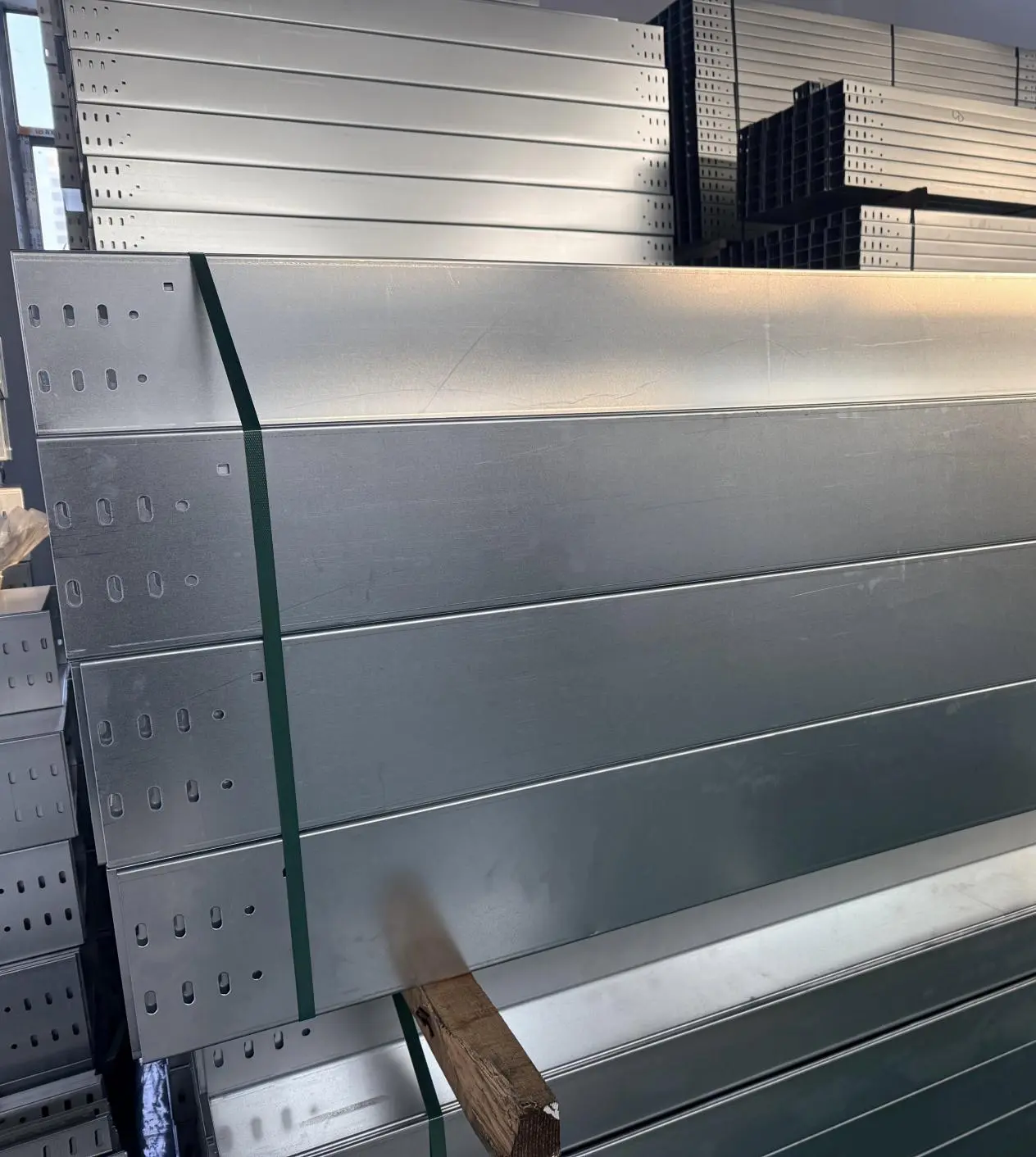
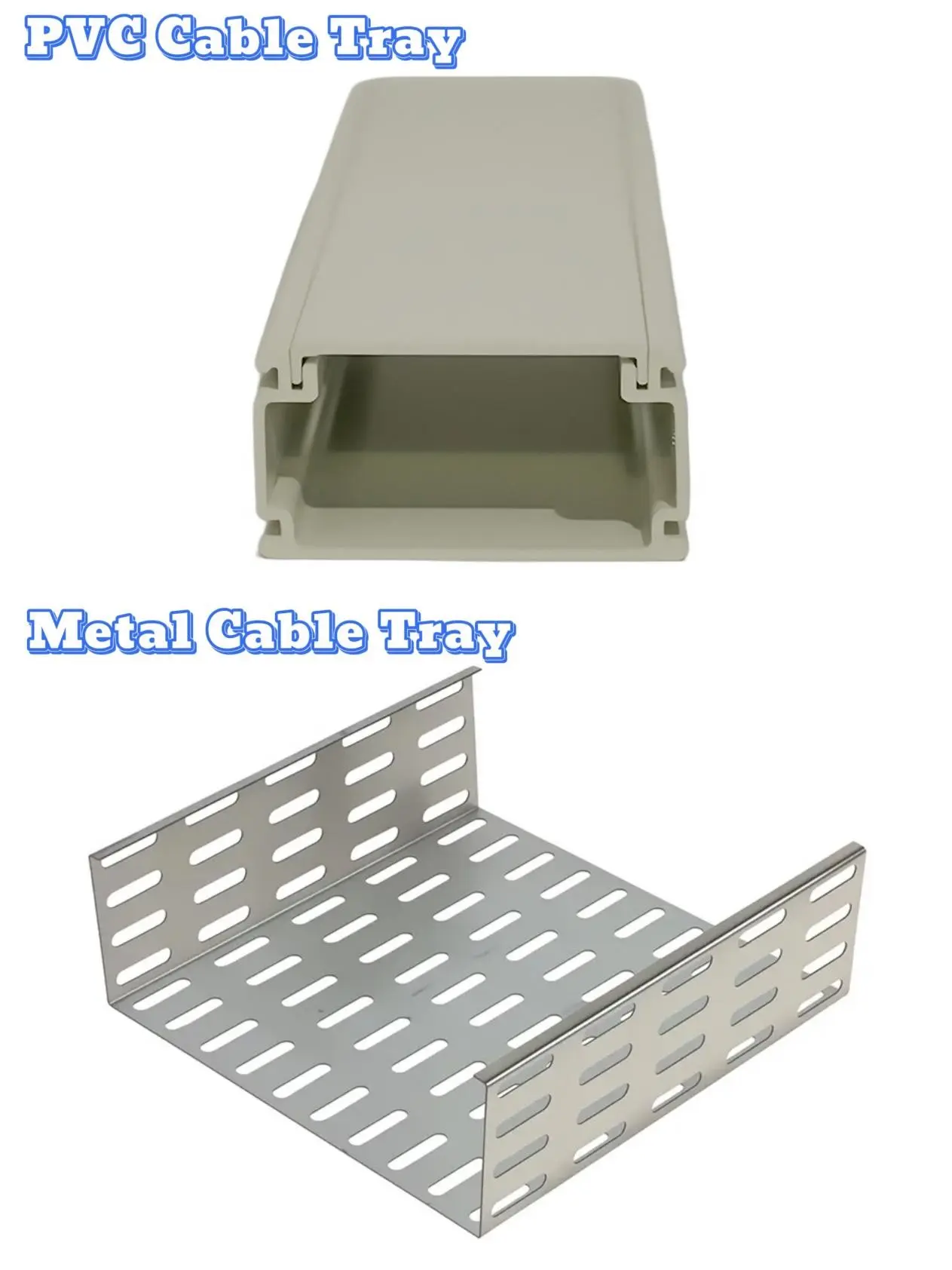
PVC (polyvinyl chloride) cable trays are molded from a thermoplastic polymer known for its lightweight nature and corrosion resistance. These trays are often extruded or injection-molded, resulting in smooth finishes and consistent shapes. Metal cable trays, typically fabricated from galvanized steel, aluminum, or stainless steel, are constructed through cutting, bending, and welding processes, offering robustness and high load tolerance.
Typical Applications in Industrial and Commercial Settings
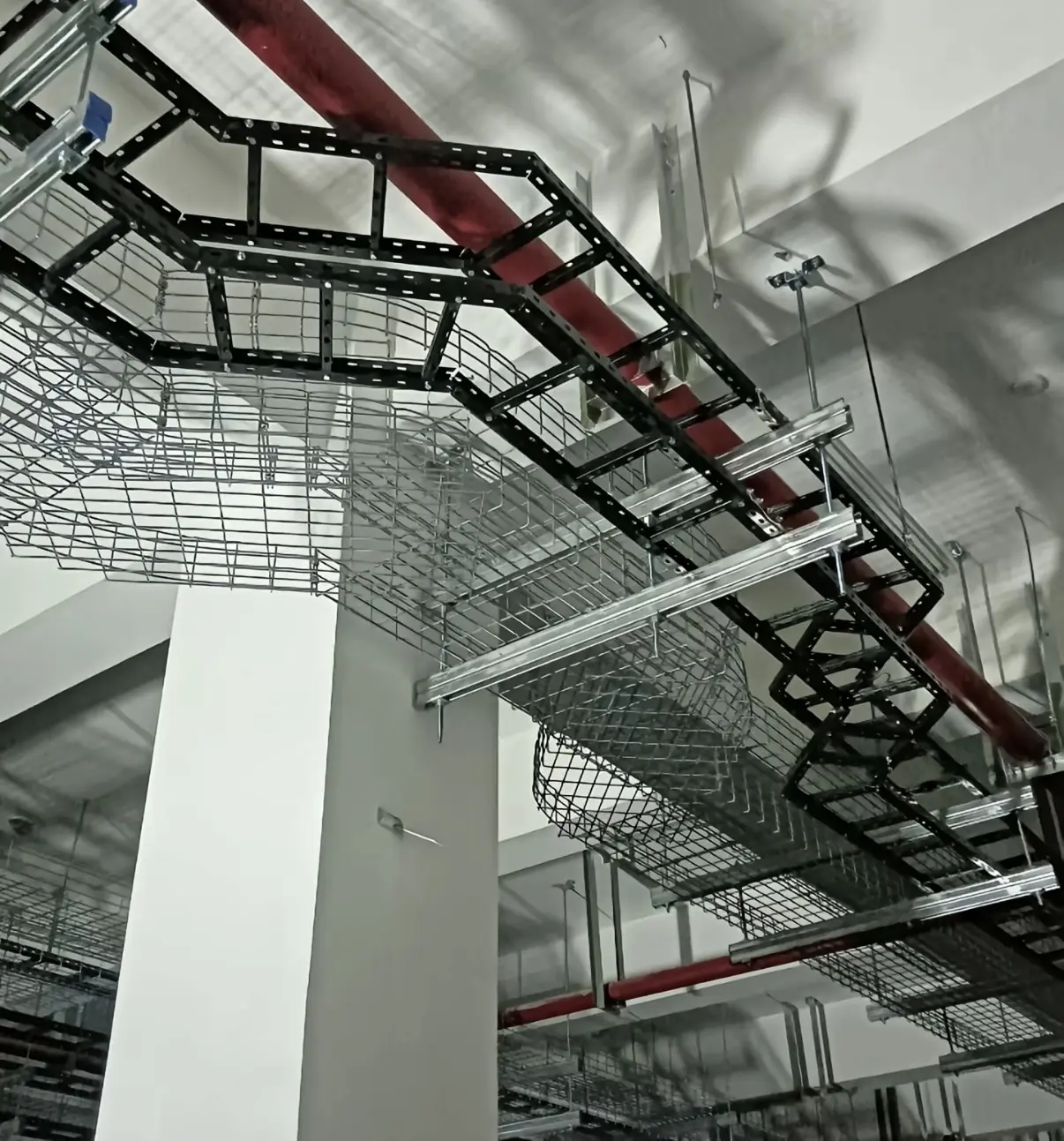
PVC trays are commonly found in environments where moisture, chemicals, or salt exposure is a concern—such as water treatment plants, food processing units, and coastal installations. Metal trays dominate in heavy industrial applications where mechanical strength is paramount, including oil and gas facilities, data centers, and manufacturing plants.
Environmental Suitability and Resistance Factors
PVC exhibits superior resistance to corrosion, UV exposure, and a wide range of chemicals. It does not rust, making it an ideal choice for humid or corrosive environments. Conversely, metal trays—especially stainless steel—perform better in high-temperature settings and under mechanical stress, though they may require protective coatings to resist oxidation in aggressive environments.
Durability and Strength: Which One Lasts Longer?
Load-Bearing Capacity Under Real-World Conditions
Metal trays outperform PVC in load-bearing applications, capable of supporting substantial cable weights over long spans without deflection. Steel trays, in particular, are engineered to withstand heavy-duty use in industrial zones. PVC trays, while suitable for moderate loads, may require closer support intervals to prevent sagging.
Impact Resistance and Structural Integrity Over Time
In dynamic environments where accidental impacts from tools or machinery are likely, metal trays demonstrate superior resilience. PVC, though durable, can become brittle over time—especially when exposed to extreme cold or prolonged UV radiation—potentially compromising its structural integrity.
Weather and Chemical Exposure: Long-Term Performance Comparison
Over extended periods, metal trays may degrade when exposed to acidic or salty conditions unless properly treated. PVC maintains its integrity in such corrosive environments but may warp under high heat or prolonged mechanical stress. The longevity of each material is thus closely tied to the surrounding environment and operational conditions.
Installation and Maintenance: Time, Cost, and Effort
Ease of Cutting, Handling, and Mounting
Pvc Cable Trays are significantly easier to cut and handle, requiring basic hand tools and minimal effort. This ease translates to faster installations, reduced labor hours, and greater flexibility in complex layouts. Metal trays, while durable, demand more effort during cutting and may require specialized tools and safety precautions.
Weight Comparison and Its Effect on Labor Costs
The lightweight nature of PVC results in easier transportation and simpler mounting, especially in overhead or tight-space installations. Metal trays, being heavier, may necessitate additional manpower, lifting equipment, and extended installation time—leading to higher initial labor costs.
Maintenance Demands and Lifecycle Considerations
PVC trays are largely maintenance-free, especially in non-mechanical environments. Metal trays, however, might need periodic inspection for rust, wear, and grounding continuity. That said, metal trays generally offer longer lifespans in structurally demanding applications, making them a worthwhile long-term investment under the right conditions.
Cost Analysis: Upfront and Over the Long Haul
Initial Purchase Price Breakdown
PVC cable trays are typically more cost-effective at the point of purchase. The materials are less expensive to produce, and shipping costs are lower due to their lighter weight. Metal trays, particularly stainless steel or hot-dip galvanized variants, come with higher material and shipping costs.
Operational and Maintenance Expenses
While PVC trays offer minimal upkeep, they may need earlier replacement in high-load or high-heat environments. Metal trays, though requiring routine inspection, often provide longer service lives when properly maintained. Cost efficiency depends on balancing these lifecycle factors.
Total Cost of Ownership: Hidden Savings or Unexpected Costs?
PVC trays can offer hidden savings in terms of labor, installation speed, and corrosion avoidance. Metal trays may incur additional costs for coatings, grounding, and structural reinforcements but deliver superior mechanical longevity. The total cost of ownership must weigh upfront savings against potential long-term expenditures.
Safety and Compliance: Meeting Industry Standards
Fire Resistance and Heat Tolerance
Metal cable trays are inherently fire-resistant and can tolerate high temperatures without degrading. PVC, unless specially formulated, may combust or emit toxic fumes when exposed to flame. Flame-retardant PVC variants are available, but metal still has the edge in fire-critical areas.
Grounding and Electromagnetic Interference (EMI) Concerns
Metal trays serve as a natural ground path and provide shielding against electromagnetic interference—an essential factor in high-signal environments like data centers or hospitals. PVC trays, being non-conductive, require separate grounding conductors and offer no EMI shielding.
Certifications and Regulatory Requirements
Both materials can meet industry standards, but metal trays more readily conform to strict industrial codes due to their grounding and fire-resistance properties. PVC trays may require additional testing or compliance documentation depending on the jurisdiction and application.
Aesthetics and Design Flexibility
Color Options and Visual Integration in Modern Facilities
PVC trays are available in a variety of colors, which can help with zone coding, aesthetic integration, or even safety labeling. Metal trays are more limited in finish—typically silver or coated grey—unless custom painted, which adds cost and complexity.
Customizability for Unique Layouts and Compact Spaces
PVC’s moldability allows for easy customization to fit irregular pathways, bends, and corners. Metal trays are rigid and may require prefabricated fittings or field modification, which adds time and labor to the installation.
Compatibility with Accessories and Fittings
Both PVC and metal trays offer a range of compatible accessories, but PVC often integrates more smoothly with modular systems. Metal accessories, while robust, may be heavier and more cumbersome to adjust once installed.
Sustainability and Environmental Impact
Recyclability and Eco-Friendly Disposal
Metal trays are fully recyclable and retain scrap value, contributing to circular manufacturing practices. PVC, though technically recyclable, is often landfilled due to contamination or lack of local recycling infrastructure.
Energy Use in Production and Transportation
PVC production is less energy-intensive than mining and refining metals. However, metal trays often travel longer distances with higher fuel consumption due to their weight, increasing their carbon footprint during transportation.
Sustainability Certifications and Green Building Contributions
Projects pursuing green certifications may prefer metal trays for their recyclability and longer life span. That said, certain low-toxicity PVC products are increasingly accepted as environmentally conscious alternatives, especially when paired with energy-efficient manufacturing.
Use Cases: When to Choose PVC and When to Go Metal
Best Scenarios for PVC Cable Tray Installation
PVC trays excel in corrosive, wet, or chemically aggressive environments such as wastewater treatment plants, laboratories, and food-grade facilities. They are also ideal for projects requiring fast deployment and flexible routing with minimal labor overhead.
Where Metal Outperforms and Why
Metal trays dominate in environments where strength, fire resistance, and grounding are critical—such as refineries, power plants, and telecommunications hubs. Their durability under mechanical strain and high temperatures makes them indispensable in heavy-duty operations.
Hybrid Systems: Can You Use Both Together?
In some scenarios, a hybrid approach is advantageous. PVC trays can be used in corrosion-prone sections, while metal trays manage high-load or fire-sensitive zones. Strategic integration of both systems offers a tailored solution balancing performance, cost, and safety.
Conclusion
Final Verdict: Which Cable Tray Type Wins and Why
There is no one-size-fits-all winner. PVC cable trays shine in lightweight, corrosion-prone, and cost-sensitive environments. Metal trays offer unmatched strength, fire resistance, and electromagnetic shielding for high-demand applications. The “winner” depends on the specific demands of the project.
Key Takeaways for Making the Right Choice
- Choose PVC for corrosion resistance, easy handling, and fast installation.
- Opt for metal in high-load, high-heat, or fire-critical environments.
- Evaluate total cost of ownership—not just upfront costs.
- Consider environmental impact and compliance needs.
- When appropriate, combine both materials for a hybrid solution tailored to your facility’s requirements.