






Polymer Composite Lined Steel Cable Tray Top Benefits
Overview of Polymer Composite Lined Steel Cable Trays
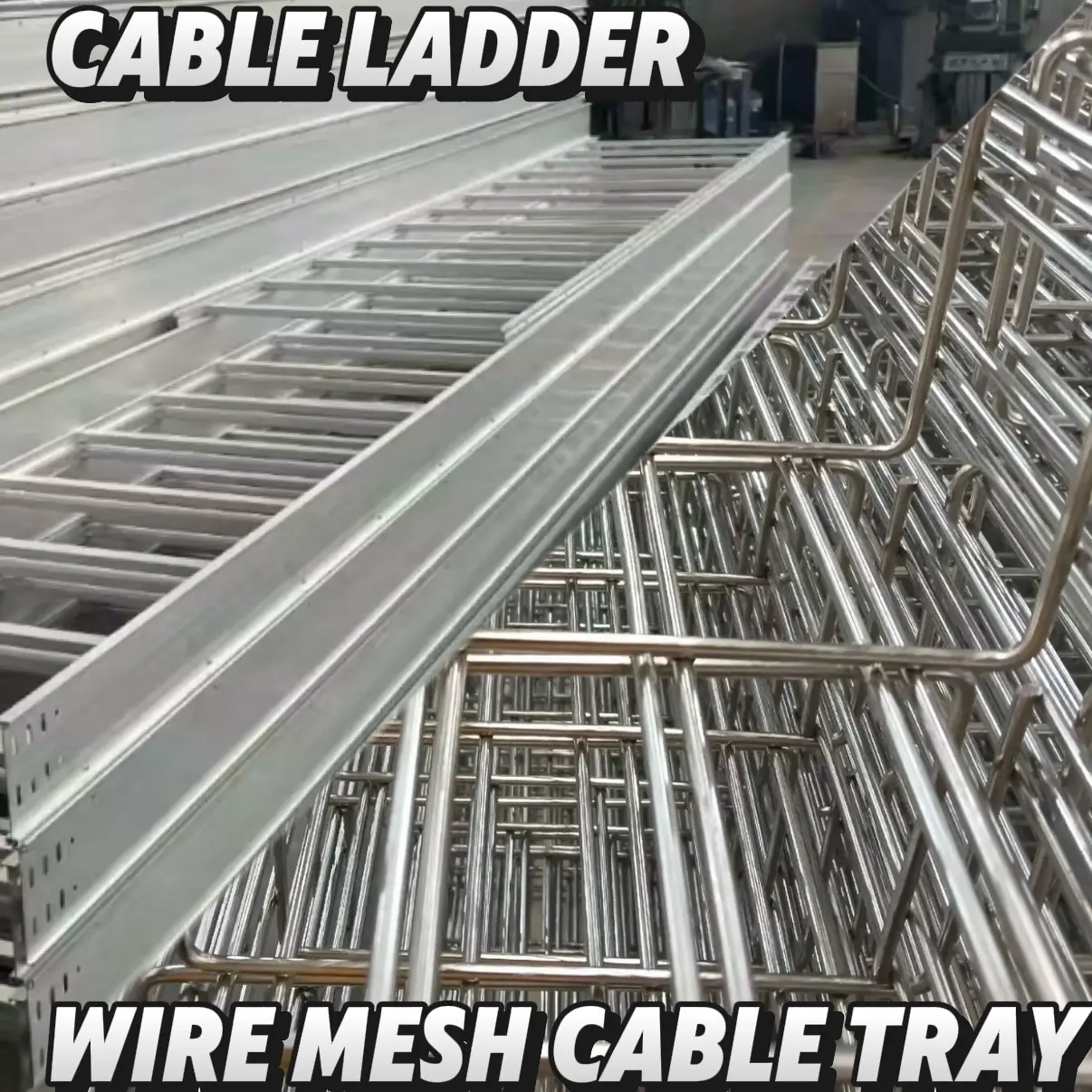
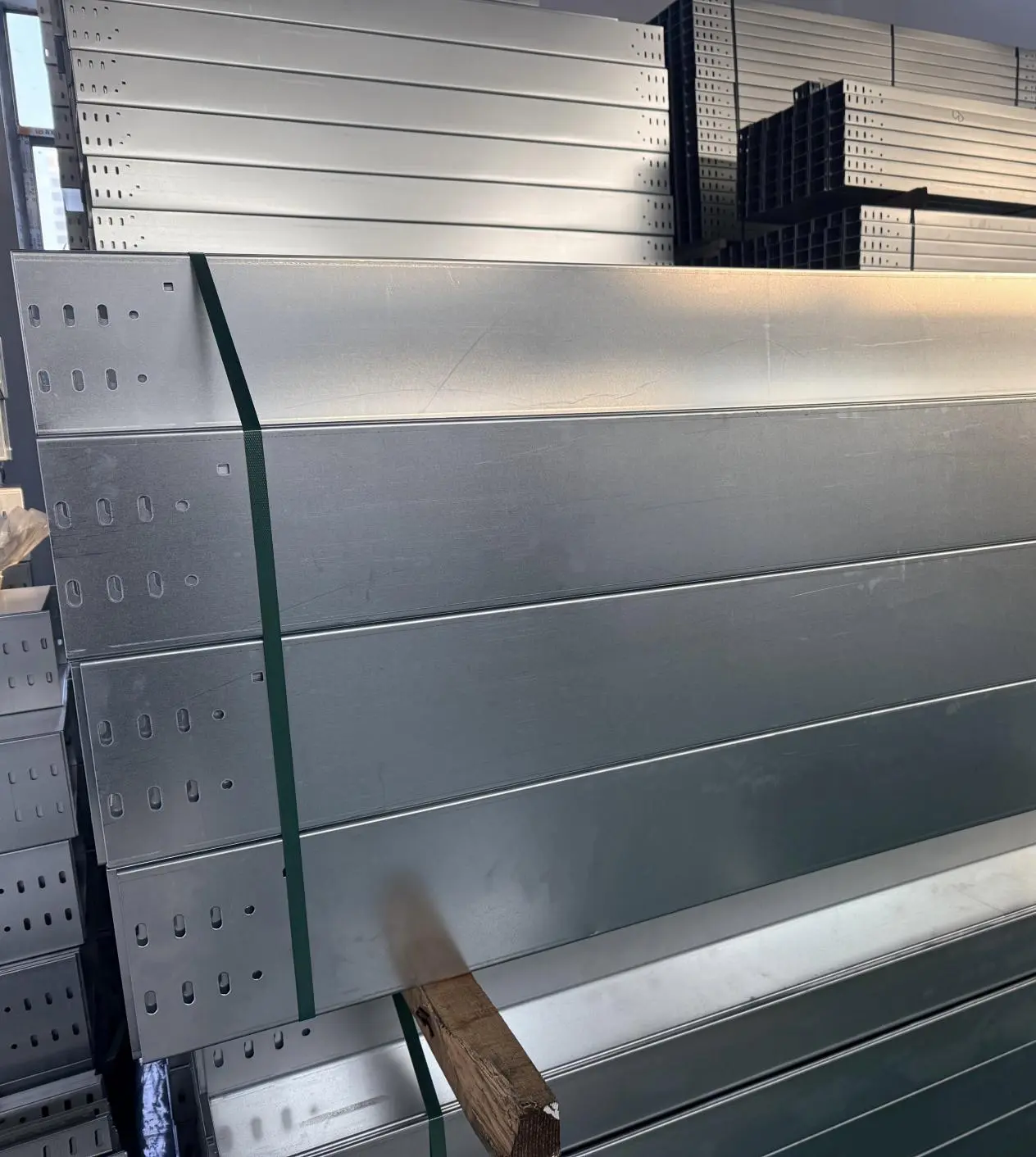
The polymer composite lined steel cable tray represents a cutting-edge innovation in cable management infrastructure. These trays feature a multi-layered construction where a robust steel framework is encased within a protective polymer shell, typically composed of PVC. This hybrid design offers the ideal fusion of strength, insulation, and environmental resilience, making it highly suitable for demanding industrial settings.
What Is a Polymer Composite Lined Steel Cable Tray
The Sandwich Structure: PVC Exterior and Steel Core
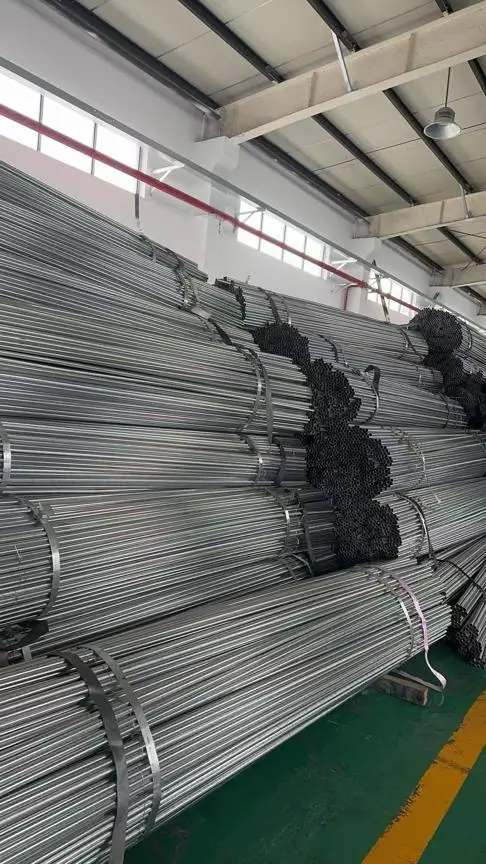
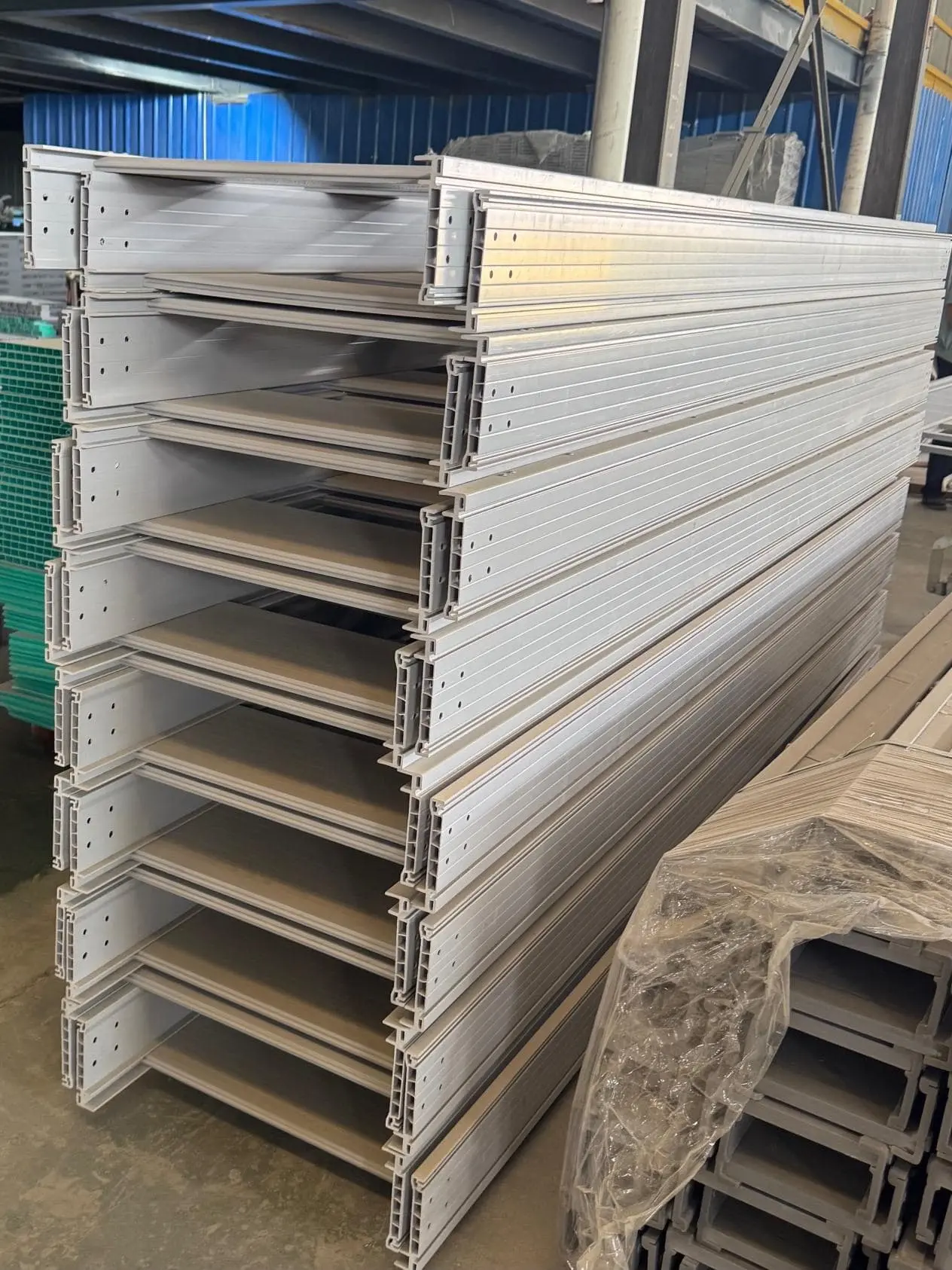
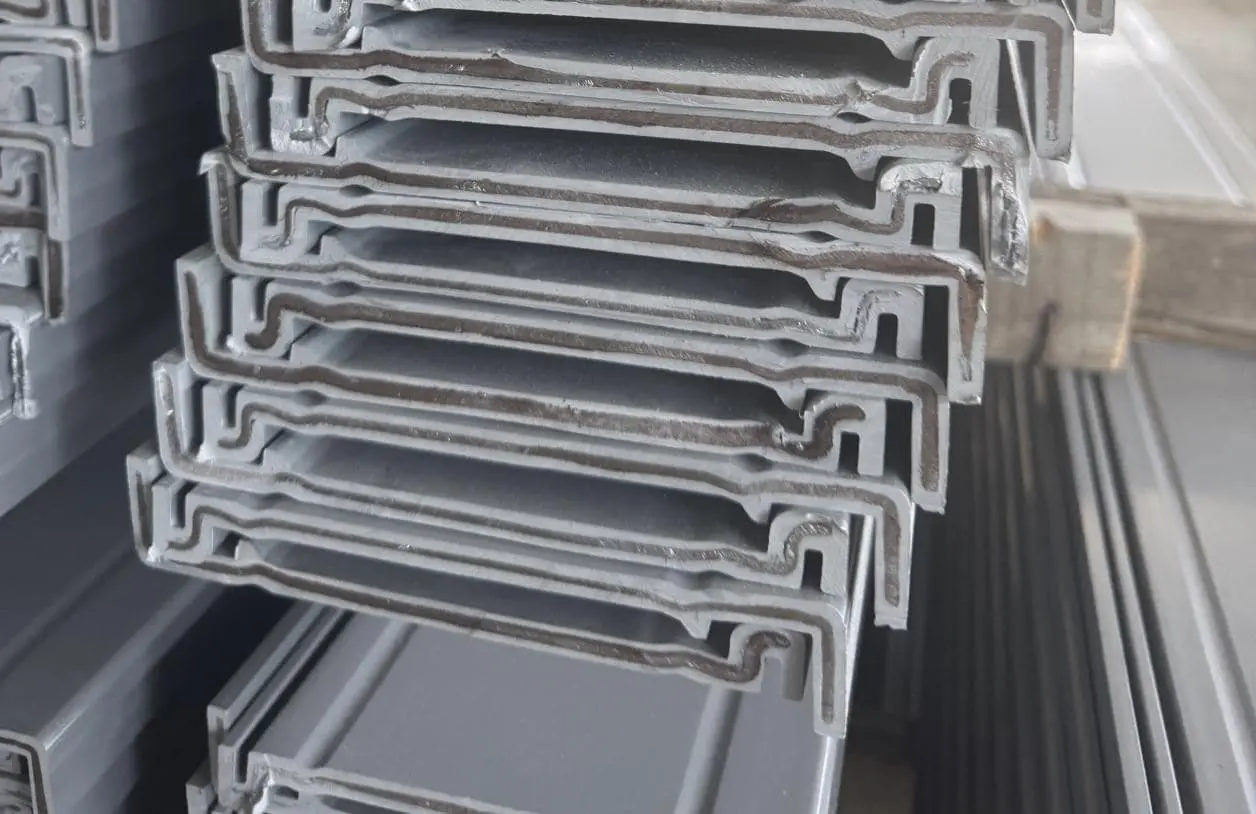
At the heart of this cable tray is a layered, sandwich-like architecture. The inner skeleton consists of a galvanized steel framework that delivers high load-bearing capacity. Encasing this core is an outer shell of high-performance polymer—most commonly PVC—which acts as an insulative and protective barrier against environmental aggressors. This combination is carefully engineered to merge mechanical resilience with surface-level immunity to corrosion and conductivity.
Key Engineering Features That Set It Apart
From its composite fabrication process to its modular adaptability, the polymer composite lined steel cable tray stands out. It is designed to accommodate high cable densities while maintaining mechanical stability under pressure. Anti-slip surfaces, vented or solid bottom configurations, and UV-stabilized coatings are among its customizable features, allowing for performance optimization in diverse operating conditions.
How It Differs from Traditional Cable Tray Materials
Unlike conventional cable trays—such as those made entirely from galvanized steel, aluminum, or fiberglass—the composite variant strikes a critical balance. Steel trays may corrode, fiberglass may lack rigidity, and aluminum can be electrically conductive. In contrast, the polymer composite lined tray neutralizes these weaknesses by integrating material benefits into a single high-performance system.
Unmatched Mechanical Strength and Durability
Steel Reinforcement: The Backbone of Structural Integrity
The steel core serves as the internal scaffold, giving the tray its formidable load-bearing capability. This reinforcement enables the system to maintain shape and strength under heavy cabling, thermal fluctuations, and physical impact—an essential requirement in industrial and infrastructure-heavy environments.
Withstanding Level 10 Wind Loads and Harsh Environments
Tested and rated to endure wind speeds aligned with Level 10 classifications, these trays are a proven solution for elevated installations, rooftops, and exposed platforms. The reinforced frame and wind-resistant design ensure operational continuity during extreme weather events.
Impact and Load Resistance in Industrial Settings
In factories, tunnels, and processing plants, accidental impact is inevitable. These trays are engineered to resist deformation, cracking, or failure under mechanical stress. The composite skin adds an additional layer of impact absorption, reducing the risk of structural fatigue over time.
Superior Corrosion and Weather Resistance
PVC Shielding Against Moisture, Chemicals and UV
The outer polymer layer is not merely aesthetic. PVC provides outstanding protection against water ingress, salt spray, chemical fumes, and ultraviolet radiation. This makes the tray an ideal candidate for environments where corrosion is a critical concern.
Ideal for Coastal, Offshore, and High-Humidity Installations
Marine ports, offshore rigs, and tropical facilities face aggressive atmospheric conditions. Polymer composite lined steel cable trays are highly resistant to saltwater corrosion, algae growth, and atmospheric degradation, outperforming metal trays in longevity and reliability.
Minimizing Maintenance in Challenging Conditions
Thanks to their durable exterior, these trays require minimal maintenance. There’s no need for frequent repainting or galvanization touch-ups, which translates to significant labor and cost savings over the long term.
Electrical Safety and Insulation Advantages
Non-Conductive Outer Layer for Enhanced Safety
The PVC exterior naturally resists electrical conductivity, reducing the risk of stray current or accidental electrocution. This makes it a safer choice in electrically sensitive environments such as substations or underground transit systems.
Fire Resistance and Arc Suppression Properties
Flame-retardant additives in the polymer formulation enhance fire resistance. The tray is designed to prevent the spread of fire along its path and to suppress electrical arcs, safeguarding both cables and infrastructure in high-risk scenarios.
Protection Against Short Circuits and Electrical Hazards
By isolating the conductive steel core with an insulating polymer layer, the tray system creates a barrier that protects against accidental grounding, electrical leakage, and system failures—especially in complex power distribution networks.
Lightweight Design with Easy Installation
Reduced Weight Compared to All-Steel Trays
The hybrid composition allows for significant weight reduction without compromising strength. This eases handling, lowers transportation costs, and reduces the load on support structures.
Simplified Handling, Cutting, and Mounting
The polymer exterior makes on-site modifications easier and safer. Trays can be cut, drilled, or adjusted using standard tools, streamlining installation workflows and minimizing downtime.
Compatibility with Standard Support Systems
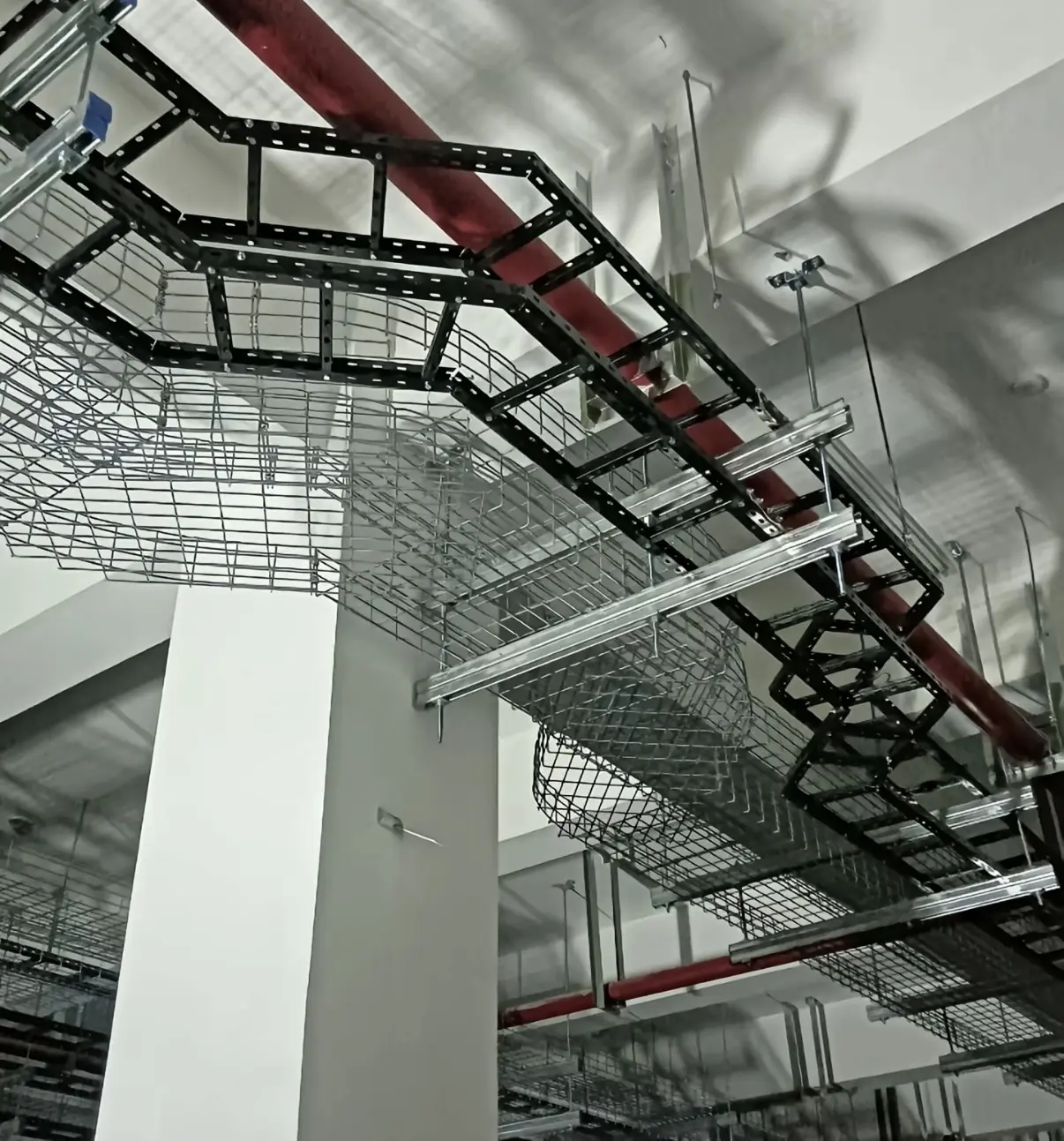
Designed with interoperability in mind, these trays can be integrated with existing support hardware, fittings, and accessories. Whether mounted overhead, wall-fixed, or floor-supported, installation is straightforward and adaptable.
Extended Lifespan and Long-Term Value
Longevity in Aggressive Industrial Environments
The fusion of a steel backbone and a chemically resistant outer shell makes the tray extraordinarily durable, even in environments with constant exposure to moisture, vibration, and contaminants.
Lower Total Cost of Ownership over Time
While initial acquisition costs may be slightly higher than traditional options, the return on investment is clear. Reduced maintenance, fewer replacements, and extended service life make this tray system a cost-effective solution over its operational lifetime.
Sustainability and Environmental Considerations
Using recyclable materials and reducing the need for chemical treatments or replacement parts contributes to a smaller environmental footprint. Facilities pursuing LEED certification or sustainable operations will find this product aligns with green infrastructure goals.
Ideal Applications Across Industries
Power Plants, Railways, Chemical Facilities and Beyond
From high-voltage power corridors to chemical refineries and transportation depots, this tray system is versatile enough to serve a wide range of critical industries. It excels wherever safety, durability, and resistance to corrosion are paramount.
Indoor vs Outdoor Usage Scenarios
Whether installed within climate-controlled interiors or exposed to the elements outdoors, the polymer composite lined steel cable tray delivers consistent performance. Its design resists thermal cycling, moisture variation, and mechanical disturbance in both environments.
Custom Engineering for Project-Specific Requirements
Manufacturers often provide bespoke solutions tailored to layout constraints, load requirements, and environmental conditions. This ensures optimal performance without compromising on design or installation efficiency.
Conclusion
Summarizing the Core Advantages
Polymer composite lined steel cable trays offer a compelling blend of structural strength, safety, environmental resistance, and installation ease. Their layered design is purpose-built to address the weaknesses of traditional tray systems, making them a robust, future-ready option.
Why Polymer Composite Lined Steel Cable Trays Are the Smart Choice for Future-Proofing Infrastructure
In a world where infrastructure must withstand harsher environments, stricter regulations, and greater operational demands, the polymer composite lined steel cable tray stands out as an intelligent, long-term investment. For those seeking reliability, safety, and adaptability—this solution is not just innovative; it’s essential.