





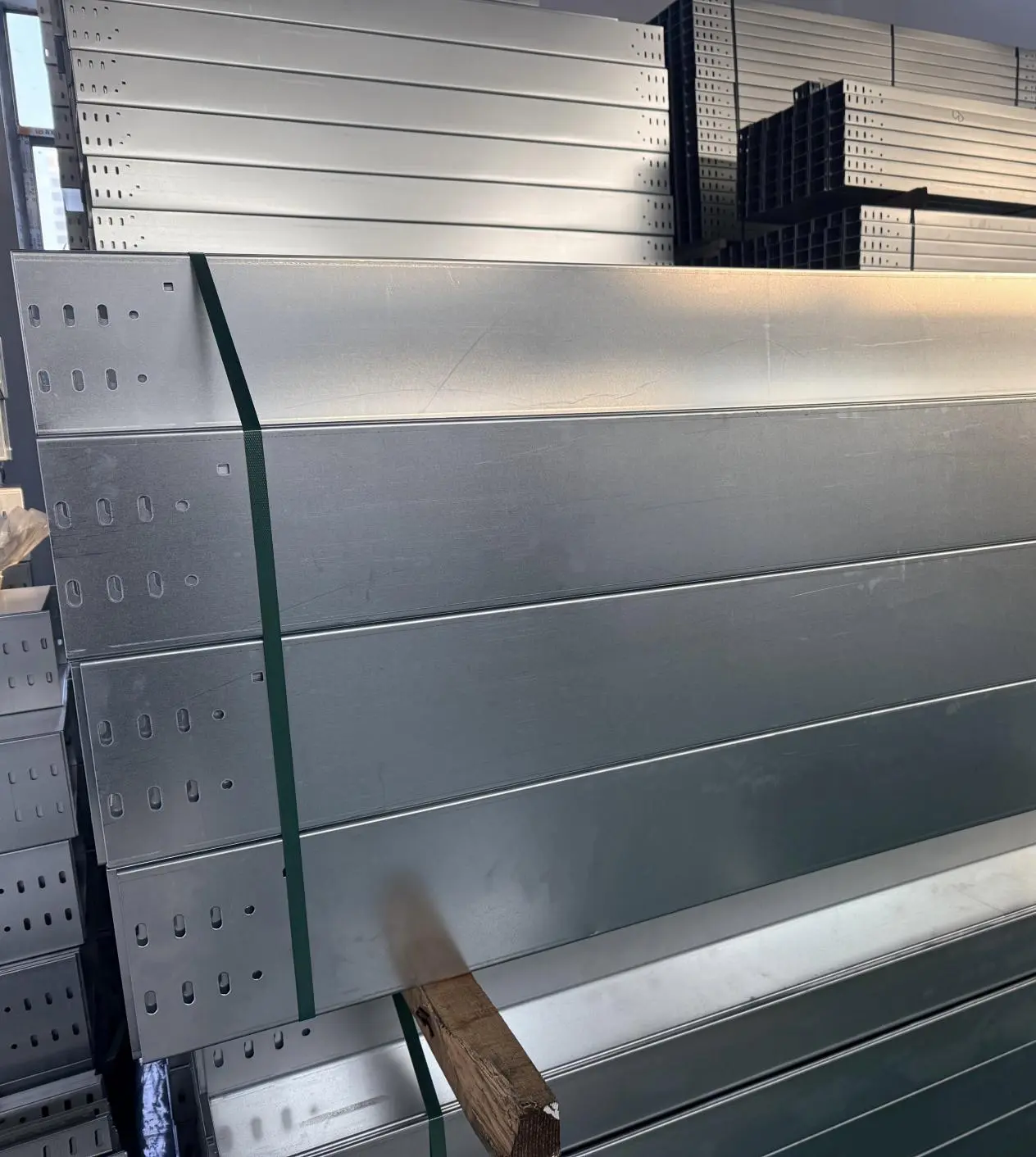

Partitioned Cable Tray Solutions for Clean Cabling
Introduction
Understanding the Modern Cabling Challenge
In an era defined by data, automation, and interconnected systems, cable congestion is no longer just an aesthetic concern—it is a functional hazard. As facilities grow increasingly complex, so does the maze of cables that support their operations. Without a clear, structured cable management strategy, installations become chaotic, error-prone, and difficult to maintain.
The Rise of Cable Management in Complex Systems
To combat the sprawl of electrical and communication lines, engineers and facility managers have turned to advanced cable management systems. Structured pathways not only mitigate electromagnetic interference (EMI) but also prevent mechanical strain on cables. Among these innovations, partitioned Cable Trays have emerged as a go-to solution—offering order, clarity, and control in environments where precision is paramount.
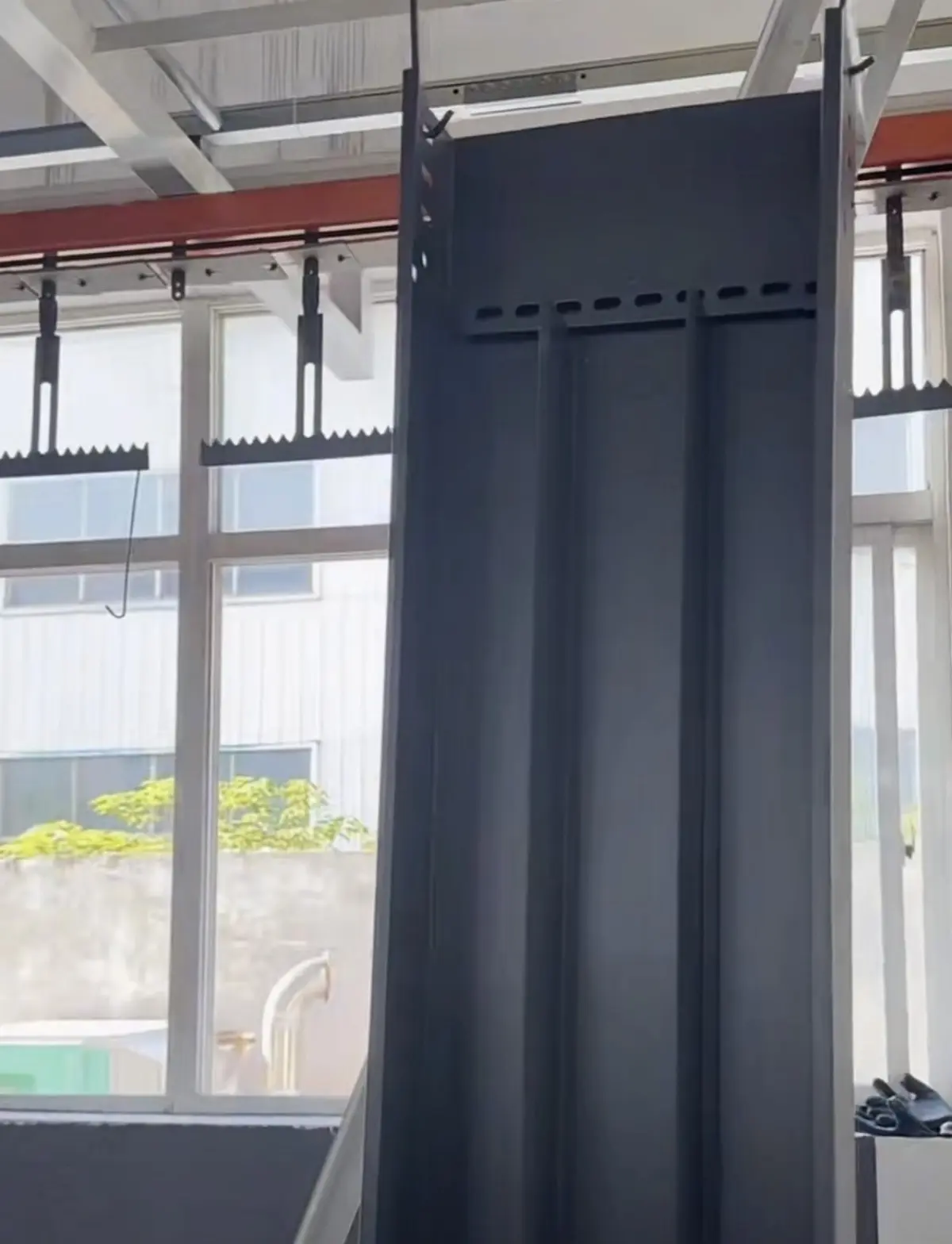
Why Clean Cabling Matters in Today’s Infrastructure
Clean cabling is not merely about appearances; it’s a cornerstone of operational integrity. Organized cable layouts enhance airflow, reduce troubleshooting time, and eliminate cross-interference between sensitive circuits. More importantly, they create safer working conditions and ensure compliance with electrical codes and safety standards.
What is a Partitioned Cable Tray?
Defining Partitioned Cable Tray in Simple Terms
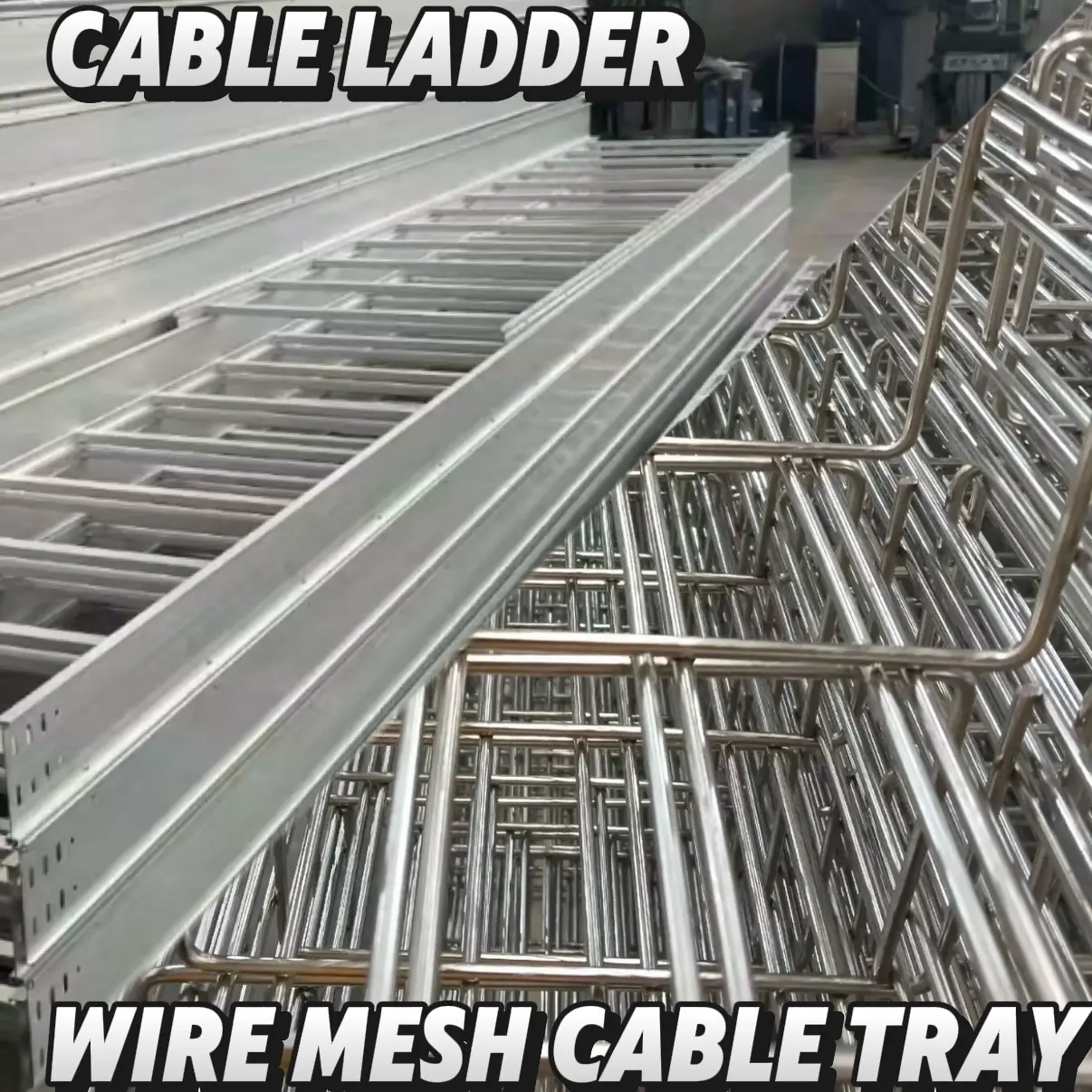
A partitioned cable trayis a segmented Cable Pathway system designed to separate different types of cables—power, data, control, or signal—within a single tray. The partitions serve as dividers, creating dedicated compartments that prevent cable entanglement and interference.
Key Components and Materials Used
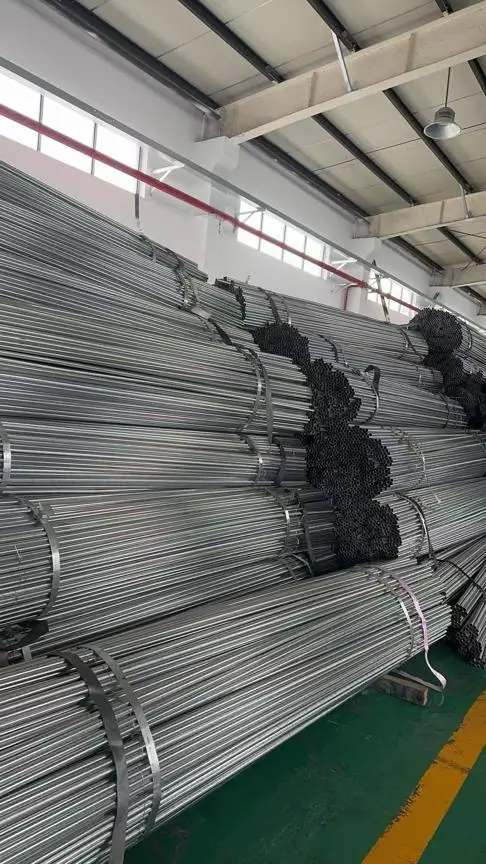
These trays are typically fabricated from durable metals such as galvanized steel, stainless steel, or aluminum, offering robust mechanical support and corrosion resistance. The dividers are either fixed or modular, allowing flexibility based on the project’s specific cabling requirements. Accessories such as covers, drop-outs, and splices complete the system, ensuring seamless integration and protection.
How It Differs from Traditional Cable Tray Systems
Traditional cable trays lack internal segmentation, leading to cable crossover and entanglement. Partitioned trays, on the other hand, bring intentional structure to the system, reducing the risk of performance degradation due to crosstalk or electromagnetic interference. Their compartmentalized layout supports safe segregation of high-voltage and low-voltage lines.
Advantages of Partitioned Cable Tray Solutions
Improved Organization and Separation of Cable Types
Partitioned trays offer a streamlined method for isolating cables based on function, voltage, or signal type. This reduces the risk of signal contamination and makes visual identification and routing far more intuitive. Cables are no longer lost in a tangle—they are clearly delineated and easy to trace.
Enhanced Safety and Reduced Interference
Electrical interference can be catastrophic in critical environments. With partitioned trays, power and signal cables can be physically isolated, preventing signal distortion and enhancing the integrity of communication lines. Additionally, reduced cable movement and contact help lower the risk of abrasion, arcing, or short circuits.
Simplified Maintenance and Future Upgrades
When system upgrades or repairs are needed, partitioned trays significantly reduce downtime. Technicians can access specific cable types without disturbing others. The modular design allows new cable runs to be added with minimal disruption, supporting agile system scaling.
Boosting Aesthetic Value in Open Installations
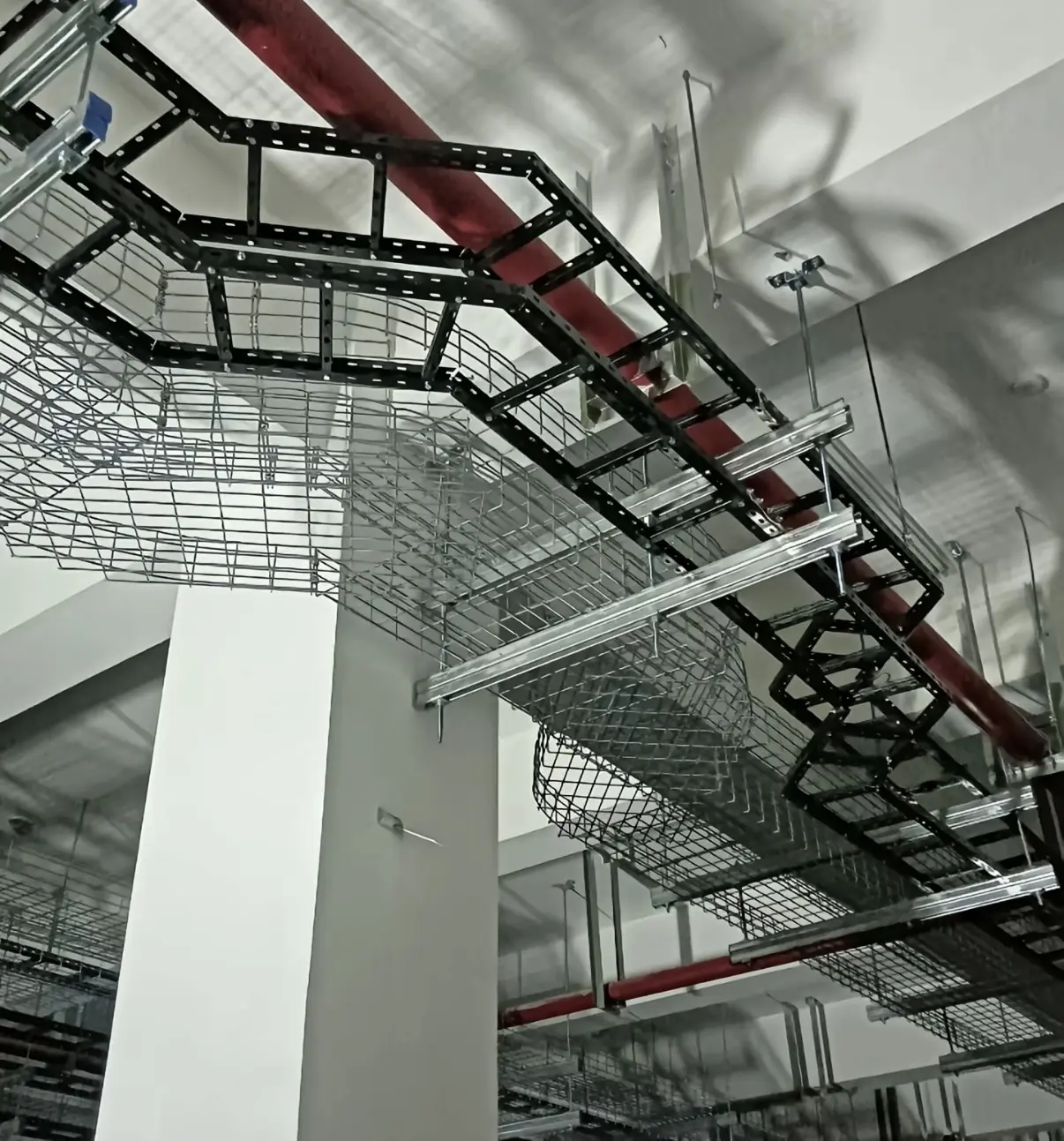
In environments where trays are exposed—such as tech offices or architectural showpieces—partitioned trays present a sleek, tidy profile. Their clean lines and structured arrangement reflect a high level of professionalism and design consideration.
Applications Across Industries
Data Centers and Network Facilities
In high-density data environments, structured cable management is essential. Partitioned trays prevent data loss, improve thermal performance, and support scalable, high-speed networks.
Industrial Plants and Manufacturing Lines
Heavy machinery often demands both power and control wiring. Partitioned trays enable safe coexistence of these cables, ensuring both performance and compliance with industrial safety standards.
Commercial Buildings and Office Complexes
Modern workspaces are increasingly tech-integrated. Clean cable routing enhances interior design, supports flexible work setups, and reduces operational risks.
Hospitals, Airports, and Other Mission-Critical Environments
Environments where uptime is non-negotiable benefit from the traceability and protection offered by partitioned cable trays. Emergency power, communication, and control circuits can be clearly divided and maintained without error.
Design and Installation Best Practices
Choosing the Right Partition Configuration
The choice of configuration—whether horizontal, vertical, or mixed partitions—depends on the cable types and environmental demands. Custom layouts may be needed for specialized installations.
Sizing Considerations for Multi-Circuit Loads
Accurate load forecasting is essential. Oversized trays waste space; undersized trays risk overheating and code violations. Engineers must consider not just cable quantity, but also future expansion.
Mounting Methods and Support Spacing Guidelines
Proper spacing between supports reduces sag and strain. Depending on the tray material and load, spacing may range from 1.5 to 3 meters. Wall-mounted, ceiling-suspended, and floor-mounted systems all require tailored mounting strategies.
Integrating with Existing Infrastructure Seamlessly
Retrofits and system expansions demand compatibility. Partitioned trays should align with legacy routing systems and building constraints, ensuring continuity and minimal disruption.
Innovations in Partitioned Cable Tray Systems
Fire-Rated and Corrosion-Resistant Materials
Specialty trays made from fire-rated composites or advanced alloys provide additional safety in high-risk zones such as chemical plants or offshore platforms.
Tool-Free Assembly and Modular Expansion Features
Modern designs prioritize ease of use. Snap-on dividers, adjustable brackets, and modular expansions reduce installation time and labor costs while enhancing adaptability.
Choosing the Right Supplier or Manufacturer
What to Look for in Quality and Certification
Credible manufacturers offer products tested to international standards. Quality assurance ensures structural integrity, safety, and performance over time.
Customization Options and Engineering Support
No two facilities are identical. Leading suppliers offer customizable trays support to tailor solutions to specific layouts.
Why Choose Shanghai Qiongkai Industry Co., Ltd.
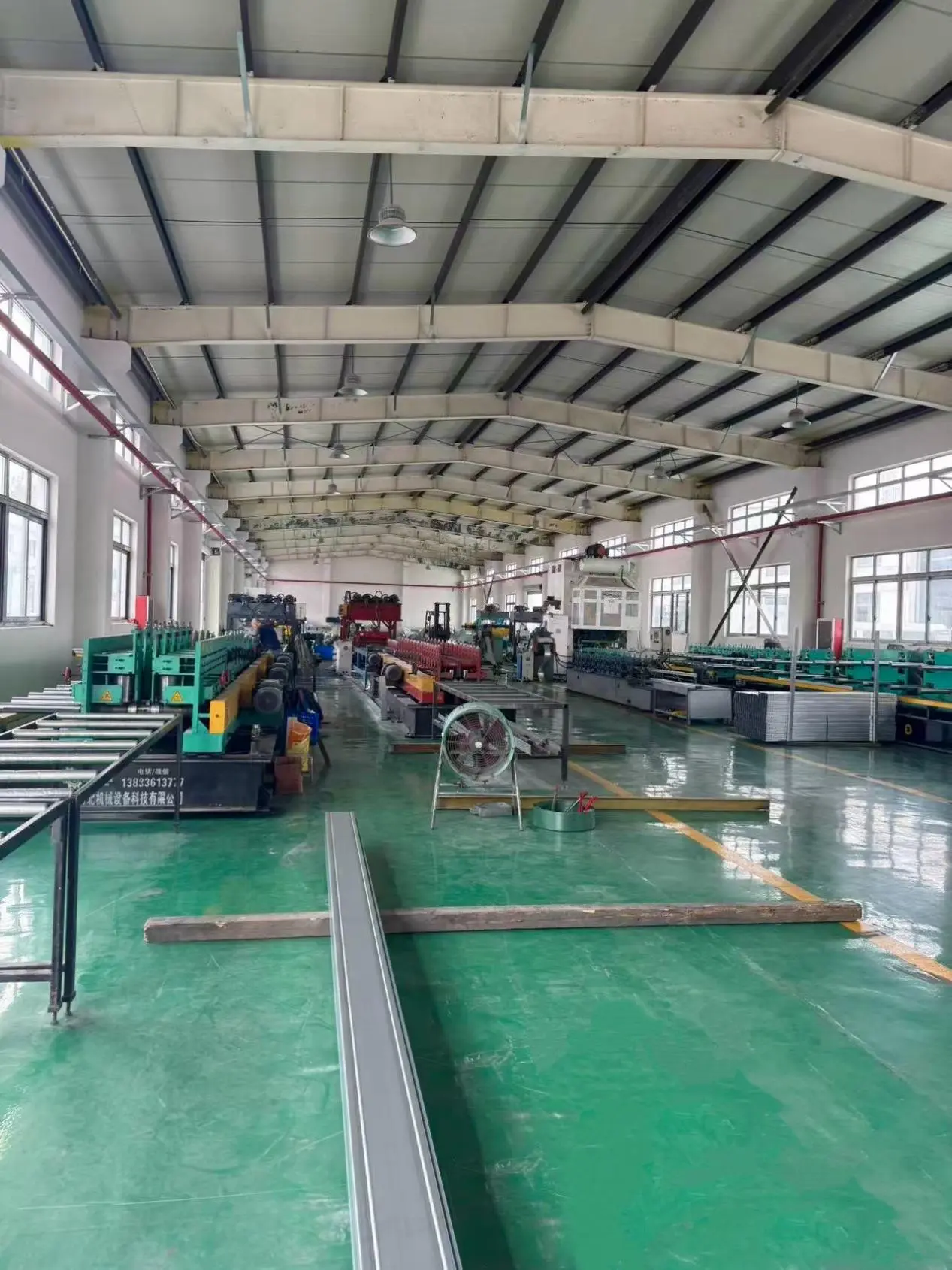
Shanghai Qiongkai Industry Co., Ltd. stands out as a trusted partner for high-performance partitioned cable tray solutions. The company combines certified quality with extensive customization capabilities, offering clients bespoke designs supported by professional engineering assistance. With a focus on durability, precision, and responsive service, Shanghai Qiongkai delivers value beyond the product—ensuring project success from planning through installation and beyond.
Conclusion
Reinforcing the Value of Clean, Efficient Cabling
In a landscape where systems are more interconnected than ever, the value of structured, clean cabling cannot be overstated. Partitioned trays are a decisive step toward order, safety, and performance.
Final Thoughts for Planners, Installers, and Facility Managers
Choosing the right cable tray system is a foundational decision. With partitioned cable trays, professionals gain a powerful tool to create smarter, cleaner, and future-proof installations.
