






How to Effectively Implement Corrosion Protection Measures for Cable Trays
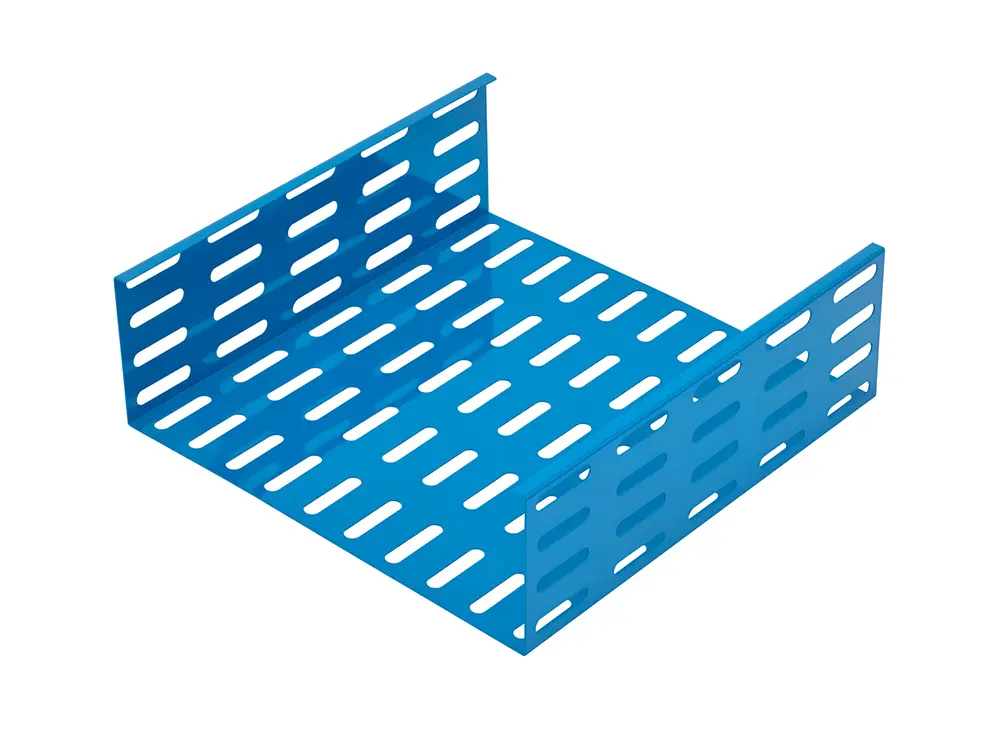
Cable traysare an essential part of modern electrical systems, supporting and organizing the wiring that powers everything from buildings to industrial machines. However, due to their constant exposure to environmental factors such as humidity, chemicals, and extreme temperatures, Cable Trays are prone to corrosion. Corrosion not only compromises the integrity and safety of the electrical system but also leads to costly repairs and replacements. Therefore, it is crucial to implement effective corrosion protection measures for cable trays. In this article, we will explore the best practices and techniques for ensuring your cable trays remain durable and corrosion-free.
- Understanding the Risks of Corrosion
Before diving into the preventive measures, it's important to understand what causes corrosion in cable trays.
Corrosion is primarily caused by the reaction between metal surfaces and environmental elements, such as moisture, oxygen, and chemicals. In industrial environments, factors like saltwater, high humidity, and exposure to acids or alkalis accelerate this process.
If left unchecked, corrosion can weaken the metal, leading to structural failures, unsafe electrical connections, and even hazardous electrical fires.
- Choosing the Right Material for Cable Trays
One of the most effective ways to combat corrosion is to choose materials that are naturally resistant to environmental damage. Here are some materials commonly used in Cable Tray Construction:
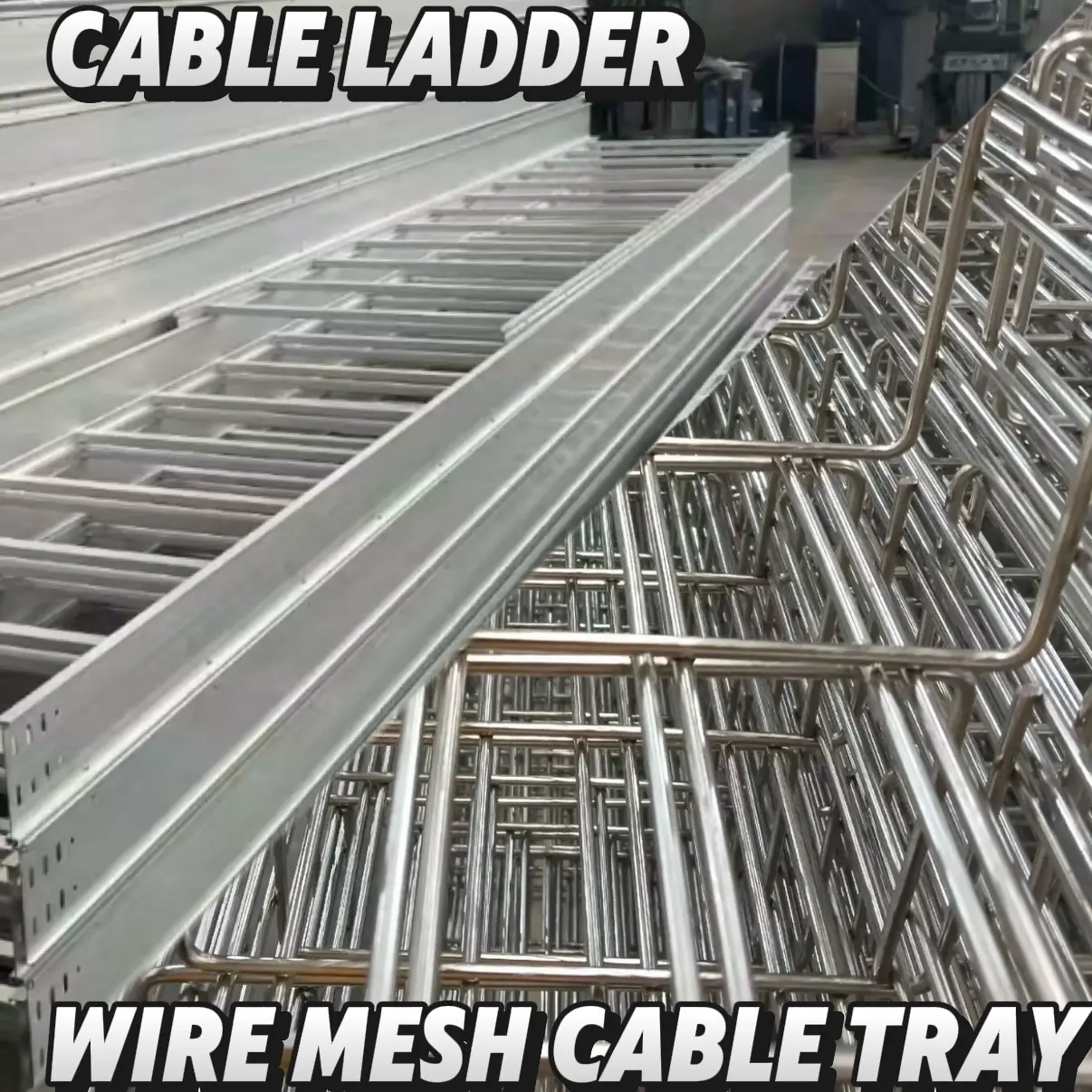
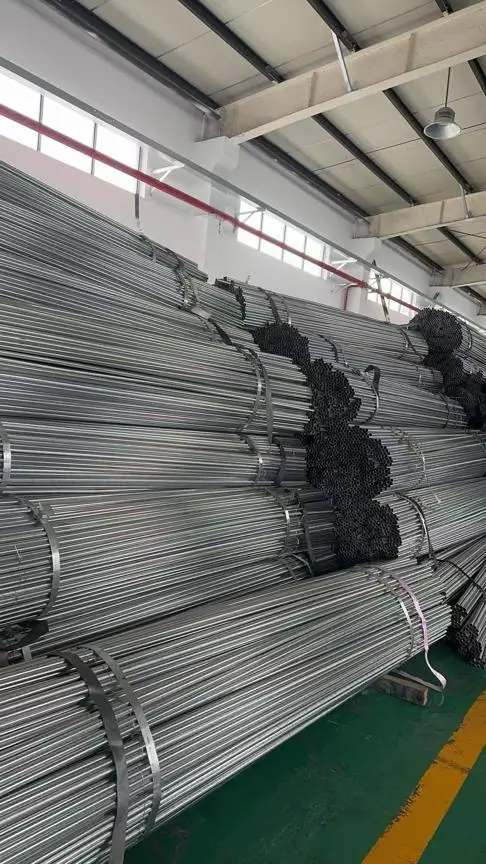
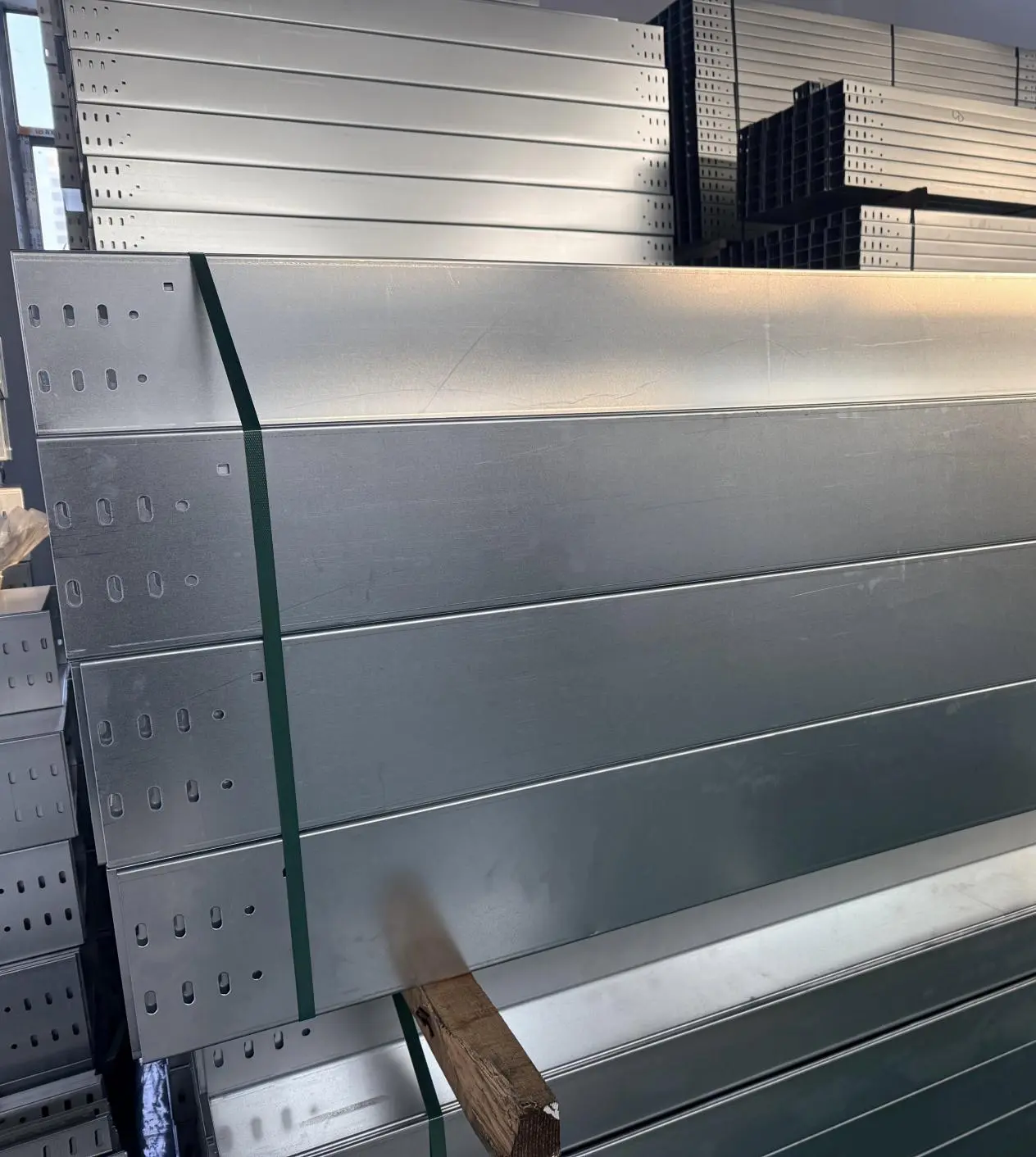
●Pre-Galvanized Steel: Steel coated with a layer of zinc, galvanizing protects against corrosion by acting as a sacrificial anode, where the zinc corrodes instead of the steel.
●Stainless Steel: Stainless steel is highly resistant to corrosion and is ideal for harsh environments. Its high chromium content creates a protective oxide layer that prevents rust.
●Aluminum: Lightweight and resistant to corrosion, aluminum is a popular choice for environments with moderate corrosion risks.
●FiberGlass: Lightweight, have a good corrosion resistance.
- Coating and Surface Treatment
In addition to choosing the right materials, applying coatings or undergoing surface treatments can further enhance the corrosion resistance of cable trays. Below are some effective coatings and treatments to consider:
●Hot-Dip Galvanization: This involves dipping the steel cable trays into molten zinc. The zinc coating forms a strong bond with the metal, offering superior protection against corrosion in outdoor and industrial environments.
●Powder Coating: Powder coating involves applying a dry powder that, when heated, forms a hard, durable surface. This method provides an additional layer of protection against wear and corrosion.
●Epoxy Coating: Epoxy coatings create a highly resistant, protective layer that can withstand exposure to harsh chemicals, moisture, and extreme temperatures.
●Anti-Corrosive Paint: Anti-corrosive paints are commonly used for indoor and outdoor cable trays. These paints are designed to resist environmental factors and help maintain the structural integrity of the trays.
- Proper Installation Techniques
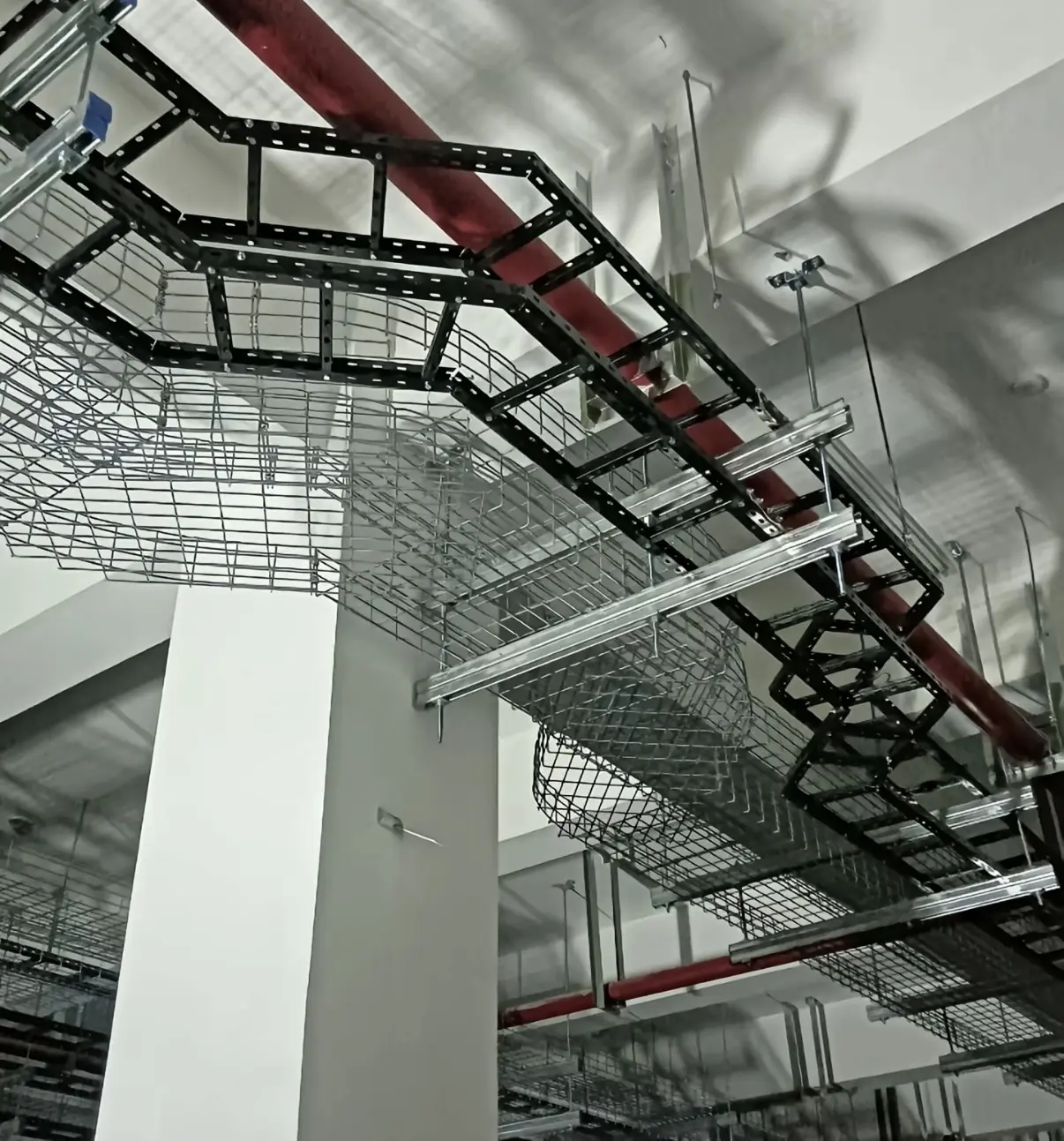
Even the most corrosion-resistant materials and coatings can be compromised if cable trays are not installed properly. To ensure the longevity and durability of cable trays, follow these installation best practices:
●Ensure Adequate Ventilation: Proper ventilation around the cable trays allows air to circulate, reducing moisture buildup that can lead to corrosion.
●Avoid Contact with Water Sources:During installation, ensure thaT Cable Trays are not placed in areas prone to direct contact with water or high humidity. For outdoor installations, ensure trays are elevated to prevent water accumulation.
●Use Corrosion-Resistant Fasteners: Use corrosion-resistant bolts, nuts, and washers during installation to prevent rusting at connection points. Stainless steel or galvanized fasteners are ideal choices.
- Routine Inspection and Maintenance
While proper materials and installation methods are crucial, regular inspection and maintenance are key to detecting early signs of corrosion and preventing further damage.
Schedule periodic checks to identify any rust, corrosion, or damage to the cable trays, especially in high-risk areas such as outdoor environments or corrosive industrial settings.
If corrosion is detected, it should be addressed immediately by cleaning the affected area and reapplying protective coatings if necessary.
- Environmental Considerations
To prevent corrosion, it's important to take into account the specific environmental conditions where cable trays are installed. Here are some considerations:
●Outdoor Environments: For outdoor installations, ensure that the cable trays are properly shielded from harsh weather elements, such as rain, snow, and extreme temperatures.
●Chemical Exposure: In industries where chemicals are used, it's vital to choose materials and coatings that can resist chemical corrosion. Chemical exposure can be mitigated by installing cable trays in protective enclosures.
●Temperature Fluctuations: Extreme temperature variations can lead to the expansion and contraction of materials, causing coatings to crack and allowing moisture to penetrate. Choose materials with low thermal expansion to minimize this risk.
Conclusion
Protecting cable trays from corrosion is a critical aspect of maintaining the safety and functionality of an electrical system. By selecting the right materials, applying protective coatings, using proper installation techniques, and conducting routine inspections, you can ensure that your cable trays remain corrosion-resistant and provide long-lasting service.
Remember, the cost of preventive measures is far less than the cost of repairing or replacing corroded trays and the associated damage. Proper corrosion protection will not only extend the lifespan of your cable trays but also contribute to a safer and more efficient electrical infrastructure.