






Galvanized Conduit Hacks for Faster Installation
Introduction
What Is Galvanized Conduit and Why It Matters
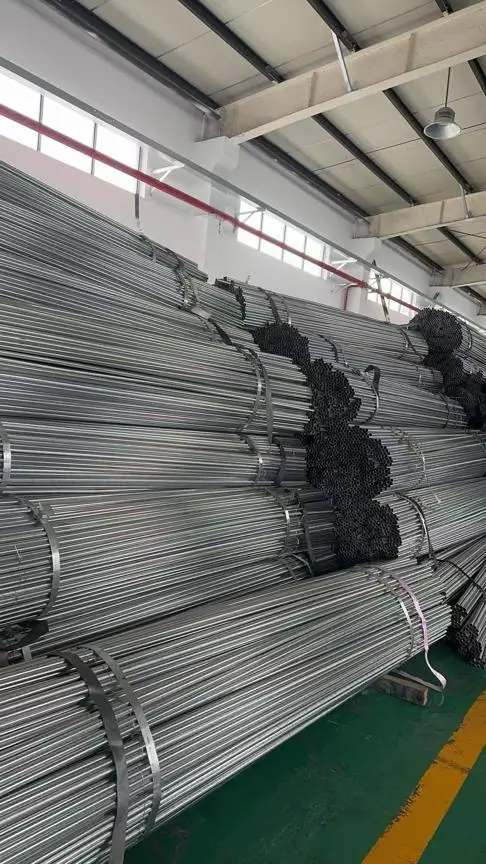
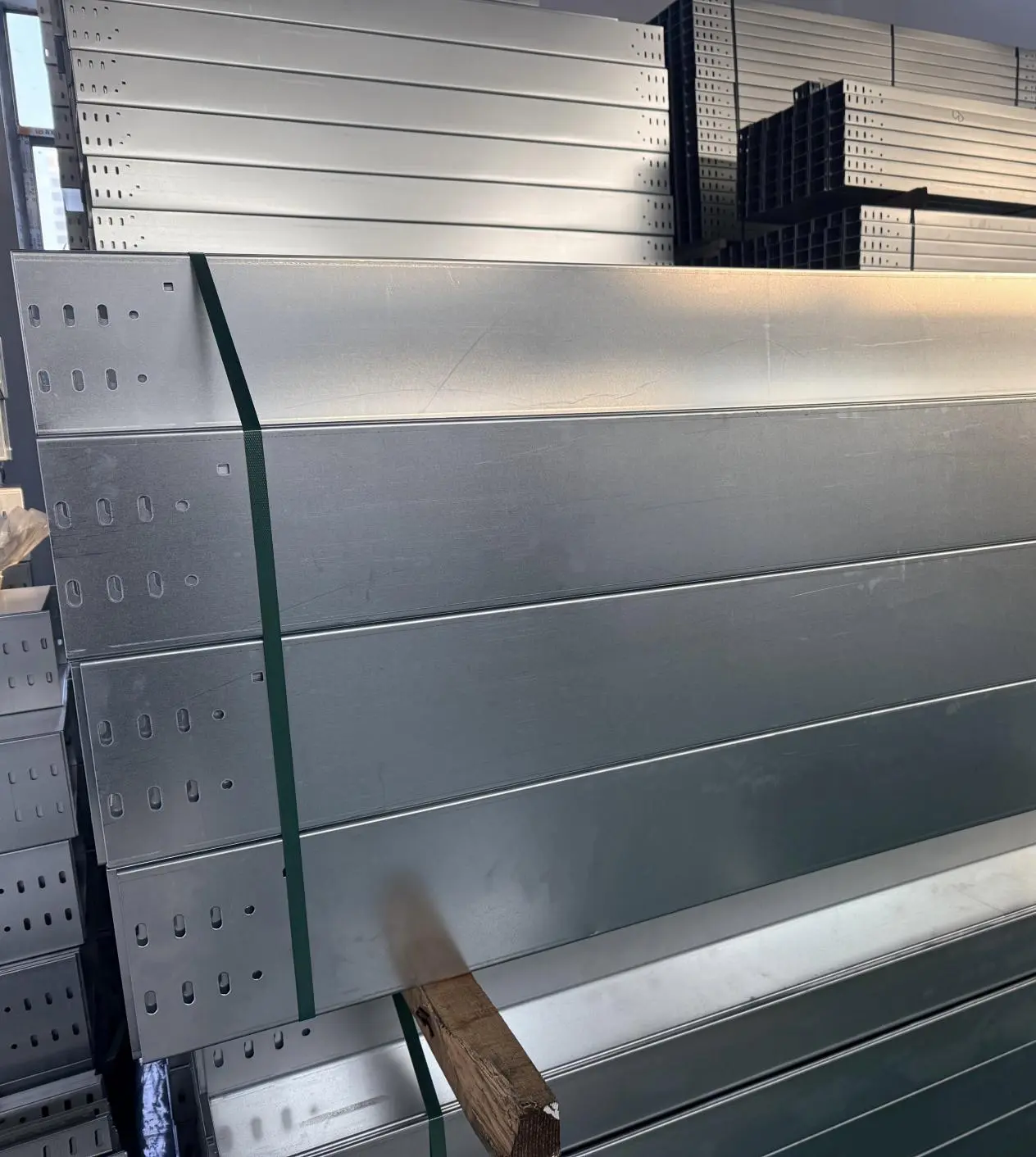
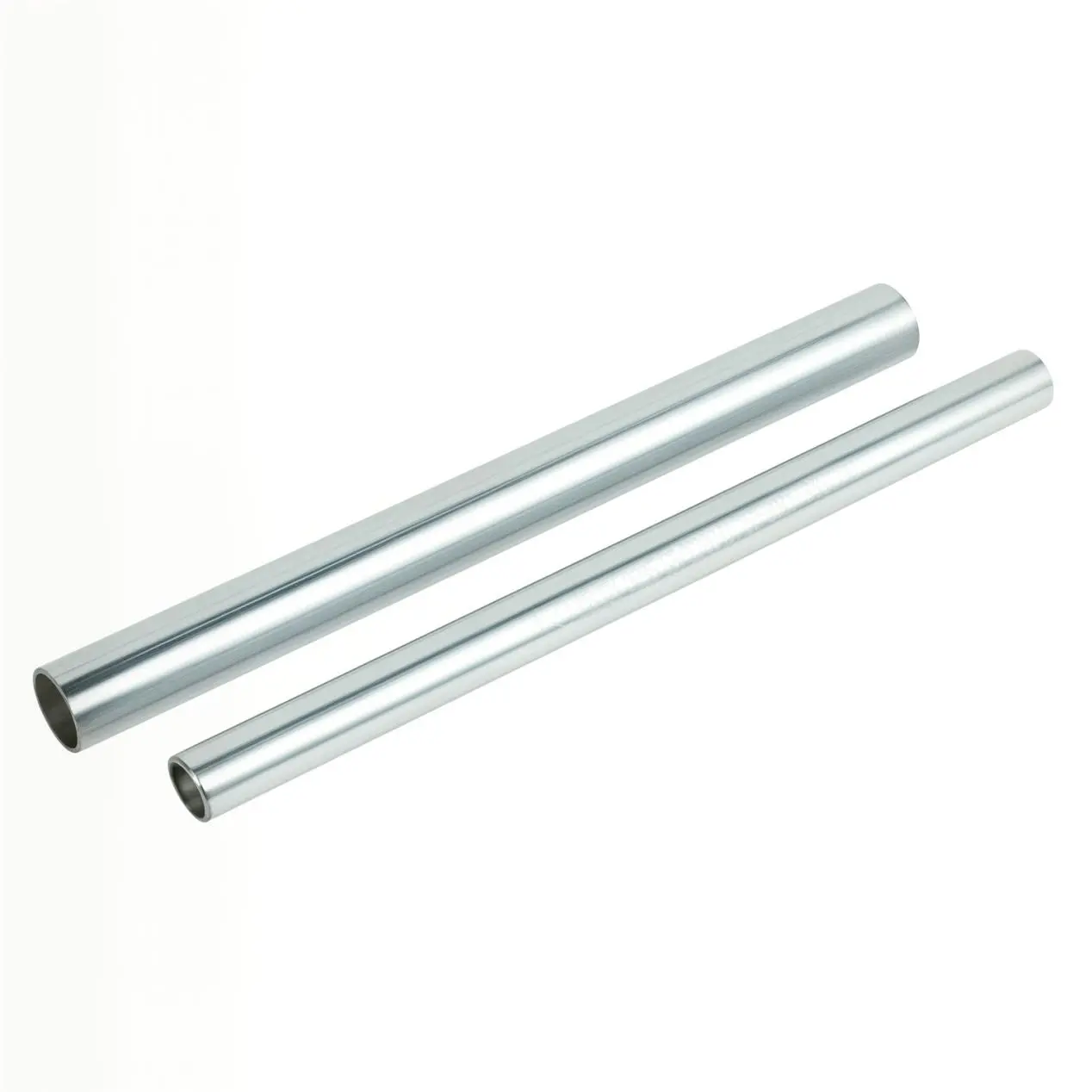
Galvanized conduit is steel tubing coated with a layer of zinc to prevent corrosion. Often used to route and protect electrical wiring in commercial and industrial settings, it’s a go-to solution for its robustness and longevity. The galvanization process fortifies the conduit, making it resistant to moisture, rust, and the wear of time—especially in outdoor or damp environments.
In environments where electrical infrastructure must last decades, galvanized conduit is an unsung hero. It offers a structural backbone to wiring systems while ensuring code compliance and safety standards are met.
Common Installation Challenges That Slow You Down
Despite its durability, galvanized conduit can be frustrating to install. The weight of the material, the effort required to bend and cut it, and the need for precise alignment all contribute to time-consuming setups. Installers often face challenges like mismatched fittings, tight angles in confined spaces, and complex routing that demands on-the-fly adjustments.
Without the right strategy, even experienced electricians can find themselves losing hours to inefficient workflows, redundant cuts, and improperly planned conduit runs.
The Benefits of Mastering Installation Hacks
Learning efficient techniques is more than just a matter of convenience—it’s a competitive advantage. Streamlining the installation process translates to faster project completion, reduced labor costs, and higher client satisfaction. When time is money, conduit installation hacks aren’t just clever—they’re essential. With the right tactics, even the most demanding jobs can be completed with surgical efficiency.
Essential Tools and Materials for Speedy Installation
Must-Have Tools for Cutting, Bending, and Securing
Efficiency starts with a well-stocked toolbox. For galvanized conduit, essentials include a high-torque rotary pipe cutter, a rugged conduit bender, a reaming tool to smooth out cut ends, and a heavy-duty fish tape for wire pulling. Cordless impact drivers with magnetic bits can dramatically reduce fastening time, especially when working at awkward angles.
Magnetic levels, laser measurers, and conduit support brackets can further optimize setup and alignment with minimal effort.
Choosing the Right Galvanized Conduit for Your Project
Not all conduit is created equal. Selecting the appropriate thickness (typically EMT, IMC, or RMC) for your specific application can make or break the efficiency of the install. For indoor runs, lighter EMT may suffice, while outdoor or high-impact areas may demand the ruggedness of RMC.
Knowing your environment—moisture levels, expected traffic, and proximity to corrosive elements—helps avoid unnecessary overengineering or premature degradation.
Time-Saving Accessories That Pros Swear By
Swivel couplings, offset connectors, and snap-in bushings are silent time savers. They eliminate the need for threading, speed up connections, and simplify alignment. Pre-threaded conduit ends can also reduce prep time significantly. Using color-coded straps or clamps aids in quick identification and reduces mix-ups during multi-run installations.
Preparation Hacks That Cut Your Work Time in Half
Planning Your Run: Map It Before You Move It
A precise layout saves hours of improvisation. Use a site map or blueprint to pre-design the conduit path, marking junction boxes, bends, and connection points before making a single cut. Employ chalk lines or laser guides to visualize the run and catch potential issues early.
Accounting for obstacles, ceiling drops, and existing infrastructure ensures that your first cut is your best cut.
Pre-Cutting and Labeling: The Underrated Time Saver
Measure twice, cut once—but do it all at once. By cutting multiple lengths ahead of time based on your blueprint, you can avoid repeated tool changes and site walks. Label each segment using a waterproof marker or color-coded tape to simplify sequencing during installation.
This assembly-line approach not only improves speed but also enhances organization on cluttered job sites.
Avoiding Common Site Setup Mistakes
Failure to establish a clean, efficient workspace is one of the top contributors to lost time. Ensure materials are offloaded near the install area, keep cutting stations isolated to reduce tripping hazards, and always test power tools before starting. Setting up a tool station with all your cutting, bending, and fastening gear within arm’s reach avoids endless back-and-forths.
Installation Techniques That Speed Up the Job
Quick-Cut Methods Without Sacrificing Accuracy
Using a rotary pipe cutter or a power bandsaw can cut conduit cleanly in seconds. Mark your cuts with precision using a pipe wraparound or contour gauge for perfect alignment. Avoid handheld hacksaws unless absolutely necessary—they’re slower and more prone to crooked cuts.
Clamp-on pipe vises also provide stability for faster, cleaner cuts.
The Fastest Way to Secure Conduit to Surfaces
Use spring-loaded clamps and pre-drilled mounting straps to affix conduit in seconds. For metal surfaces, self-drilling screws paired with magnetic nut drivers can halve mounting time. When working with concrete or masonry, a hammer drill with pre-set anchors streamlines the securing process.
Speedy doesn’t mean sloppy—ensure each strap maintains NEC-compliant spacing and alignment.
How to Use Conduit Benders for Maximum Efficiency
Manual benders require muscle, but technique is everything. Use degree markings for precision bends, and mark your conduit at consistent distances to ensure clean, uniform turns. Invest in a digital angle finder for fast verification. For high-volume jobs, hydraulic or electric benders are worth their weight in time saved.
Tips for Tight Corners and Awkward Angles
Offset bends, saddle bends, and back-to-back 90s can be time drains. Use prefab elbow fittings where possible, or employ a conduit bending app to calculate complex bends quickly. Heat guns can sometimes assist in adjusting plastic-coated conduit, though caution and compliance should always be maintained.
Connection and Coupling Shortcuts
Choosing the Right Connectors for Quick Assembly
Compression and set-screw connectors both have their place—compression fittings provide a stronger bond, while set-screws allow for faster assembly. Use watertight connectors for outdoor applications and no-thread push fittings when time is of the essence in dry environments.
Always ensure fittings are code-compliant and rated for the specific type of conduit used.
Trick for Speedy Threading and Tight Seals
Use a quality threader with cutting oil to prevent overheating and maintain thread integrity. For sealing, Teflon tape is quick but pipe dope offers a tighter, longer-lasting bond. Store pre-threaded conduit lengths and carry them to the site as needed for rapid deployment.
Using Compression Fittings for Faster Connections
Compression fittings eliminate threading entirely. Simply insert, tighten, and move on. These are particularly effective in tight spaces where threading tools won’t fit. Ensure the compression ring is properly seated to prevent future leaks or conduit slippage.
Smart Solutions for On-Site Obstacles
What to Do When You Hit Unexpected Obstructions
Obstacles like HVAC ducts, plumbing, or structural beams are inevitable. Have a multi-angle inspection camera handy to scout tight spaces. When rerouting is necessary, use conduit bodies (LBs, Ts) to maintain continuity and minimize extra cuts.
Think of each obstruction as a puzzle, not a problem.
Flexible Conduit Sections to Save Time and Headaches
Flexible metal conduit (FMC) can be a lifesaver for bridging small gaps or navigating corners. It connects easily to rigid galvanized sections with proper adapters and can absorb vibration and movement. Use sparingly and where permitted by code, but don't overlook its utility in complex layouts.
How to Work Around Existing Electrical Systems
When retrofitting, always shut off the power and use non-contact voltage testers for verification. Fish wires through existing conduits with lubricant to reduce resistance. Identify existing paths with tracer wires and avoid drilling near live panels unless absolutely necessary.
Safety Tips That Don’t Slow You Down
Efficient Safety Checks to Prevent Costly Errors
Conduct visual inspections of cuts, fittings, and bends as you go. Check continuity and grounding after every major run. Use a checklist system to verify code compliance without slowing momentum. Double-check torque specs on fittings to avoid rework.
How to Stay Fast Without Cutting Corners on Safety
Use insulated tools, wear gloves with conductive protection, and secure all ladders and scaffolding properly. Install warning signs and maintain a clear job site. Being safe is faster than backtracking to fix mistakes or worse—responding to an accident.
Pro Tips from the Field
Experienced Electricians Share Their Favorite Hacks
Veterans swear by magnetic bit holders, pre-marked conduit stickers, and custom jigs for repetitive bends. Many carry mini-whiteboards for on-the-fly calculations. Others keep a mini-saw in their pouch for emergency cuts. These little tricks compound over time into major productivity boosts.
Common Mistakes That Cost Time and How to Avoid Them
Skipping planning, over-tightening fittings, or using mismatched conduit and connectors are costly missteps. Avoid assuming measurements and always double-check conduit paths before drilling. The small things—like a misaligned coupling—can lead to big delays.
Conclusion
Why These Hacks Can Save Hours on Every Job
Every shortcut listed isn’t just about speed—it’s about working smarter. When applied together, these techniques can slash installation time by 30–50%, freeing up your crew for more projects and increasing profitability.