


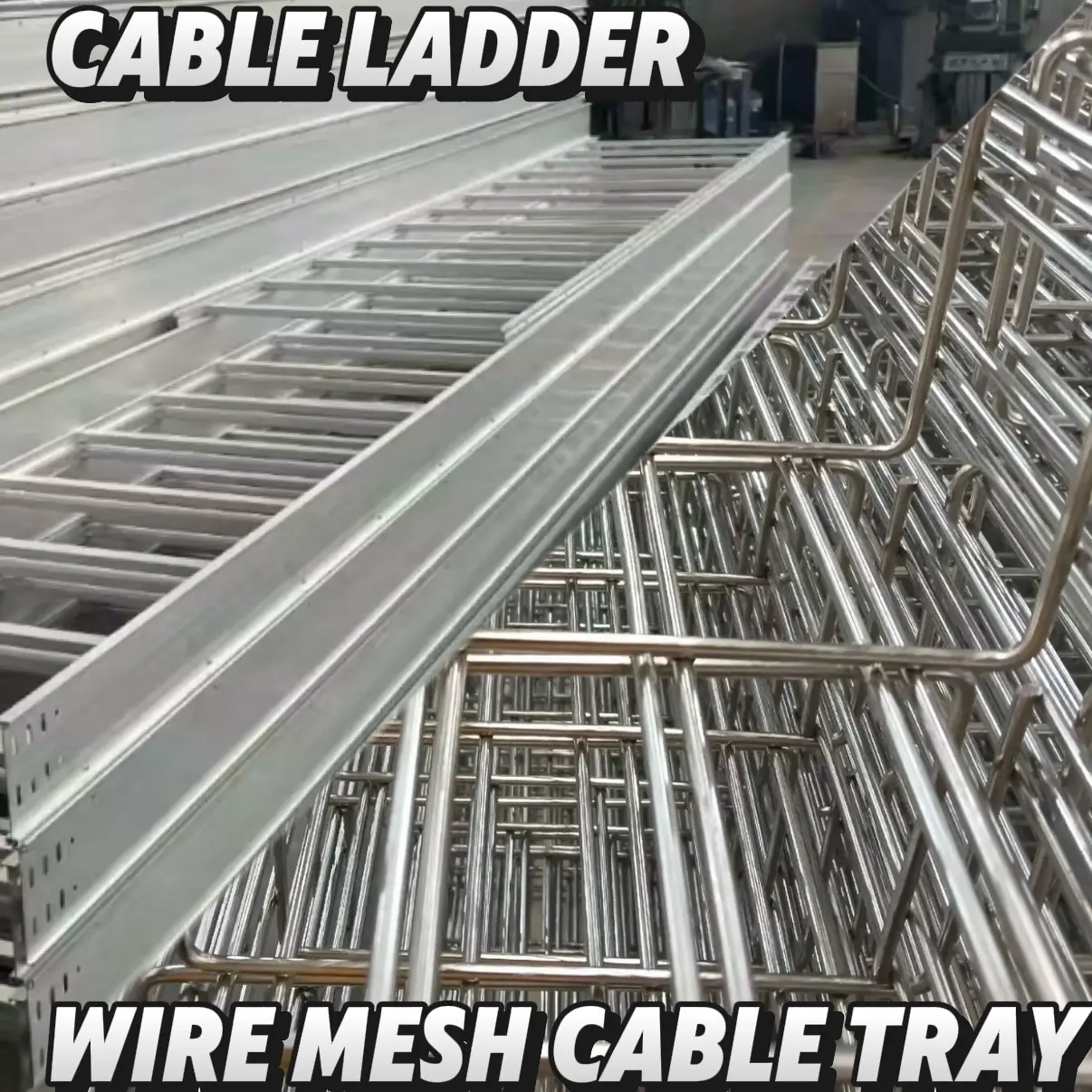


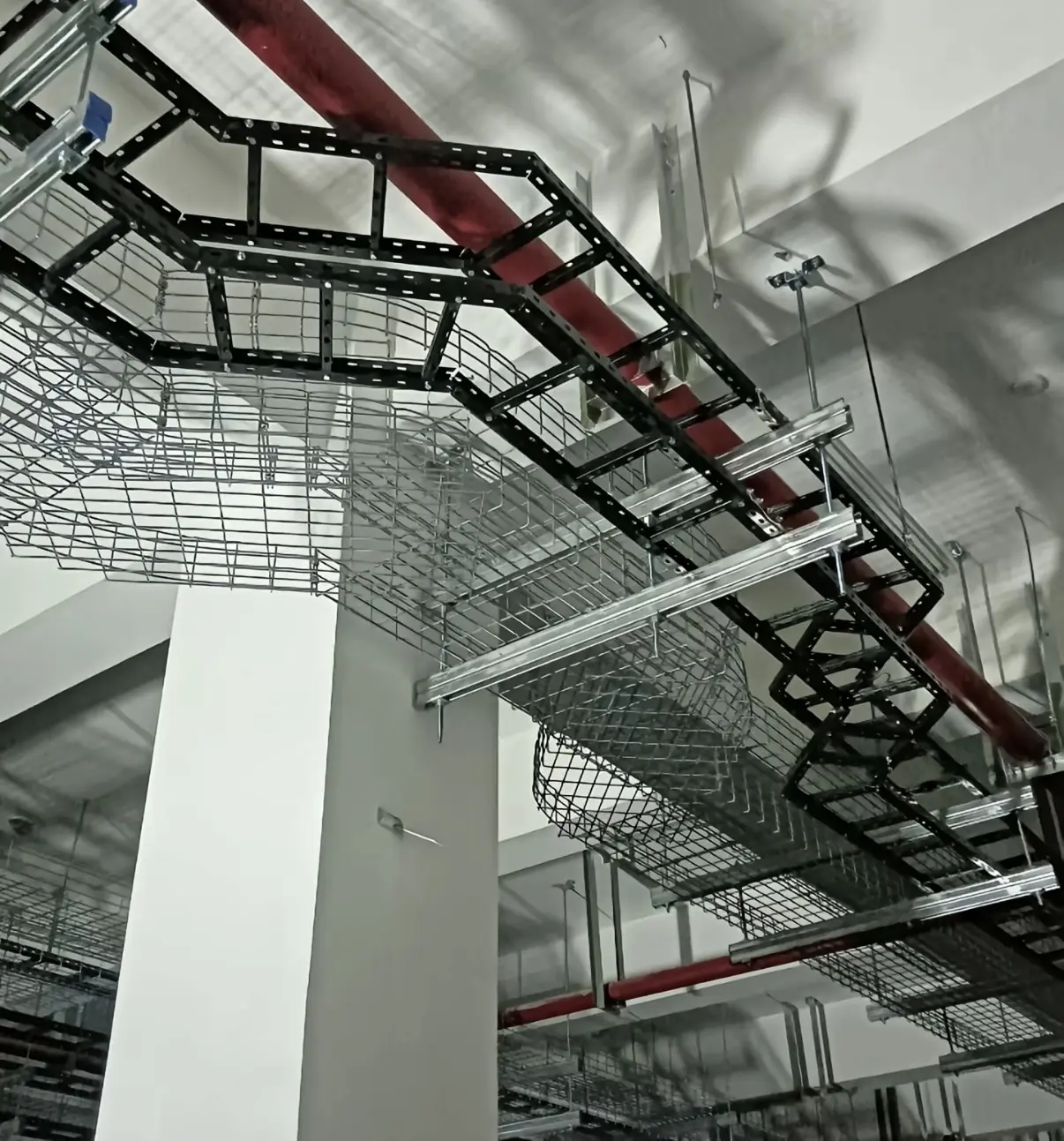

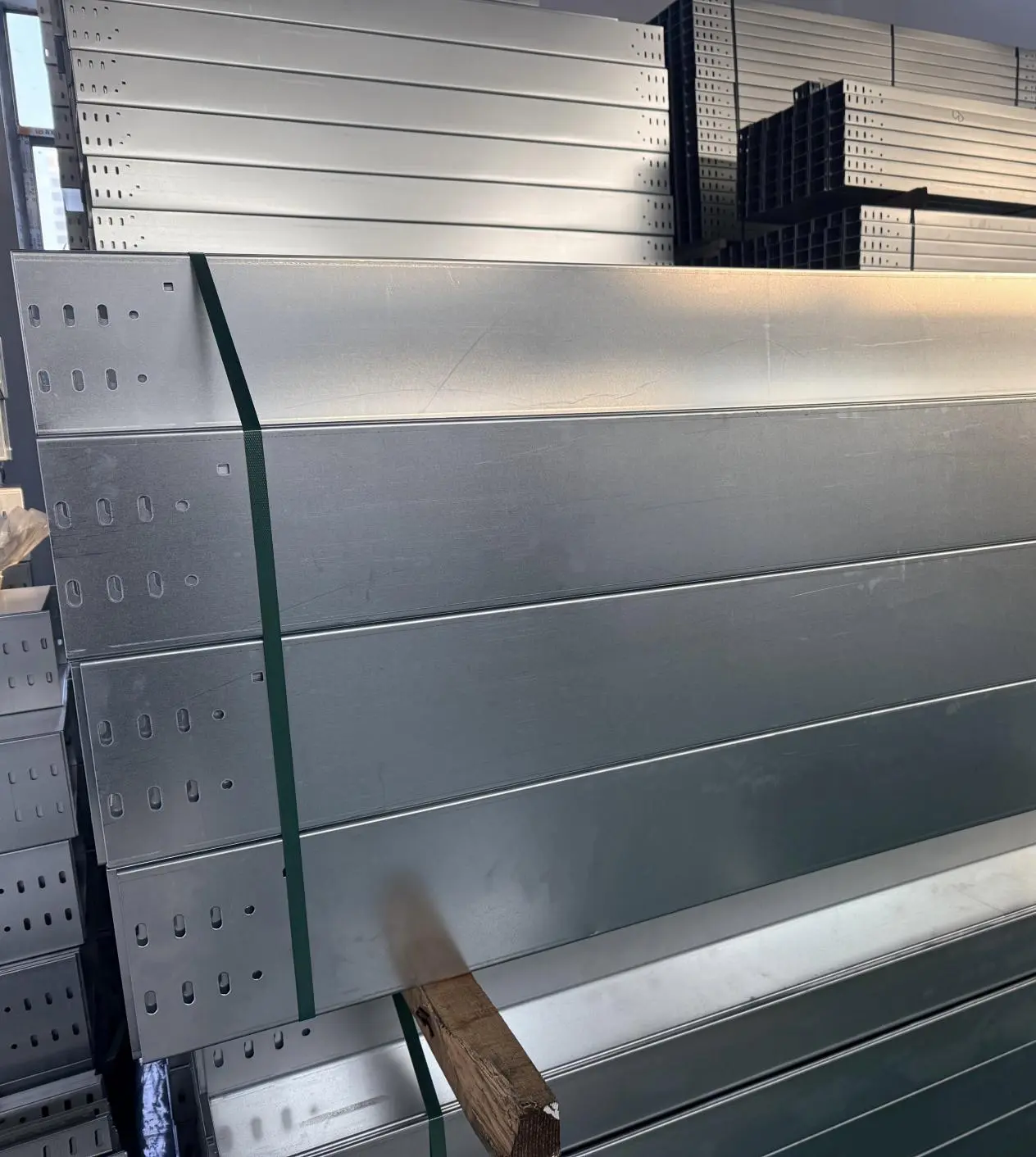

Essential Pre-Galvanized Connections Spare Parts Guide for Cable Tray Systems
Introduction
Overview of Pre-Galvanized Connections Spare Parts
In the realm of cable management infrastructure, seemingly minor components often carry the heaviest load. Pre-galvanized connections spare parts—spanning bolts, brackets, clamps, and anchors—are indispensable in assembling and supporting cable tray systems. These components undergo a continuous galvanization process, embedding a zinc layer to provide critical resistance against corrosion and environmental stress, especially in electrical and industrial installations.
Why This Guide Matters for Builders and Engineers
For electrical contractors, construction supervisors, and project engineers working with Cable Trays, a deep understanding of connection components is vital. Faulty or ill-suited parts can compromise the safety, alignment, and durability of entire cable routing systems. This guide equips professionals with the insights needed to choose reliable, code-compliant components that support long-term performance and system integrity.
Understanding Pre-Galvanized Steel
What Is Pre-Galvanized Steel and How Is It Made?
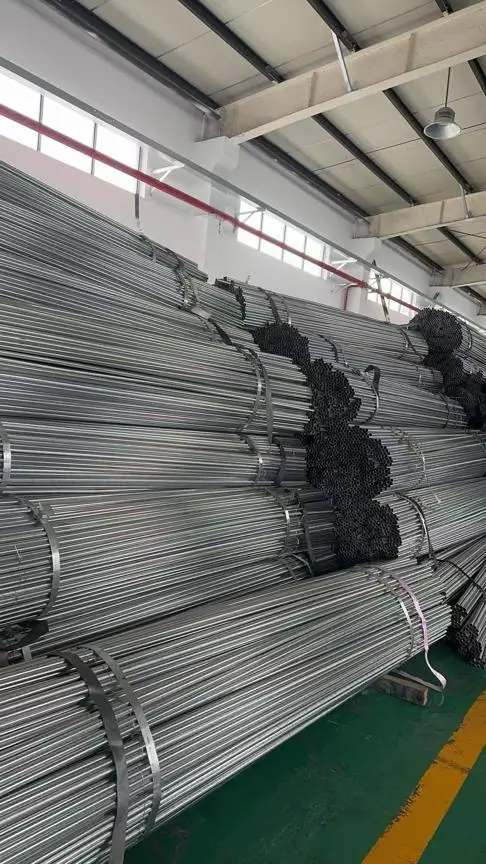
Pre-galvanized steel is manufactured by continuously rolling steel through a molten zinc bath, forming a uniform coating before the material is fabricated into components. This process ensures consistent protection across all surfaces—ideal for cable tray accessories which often require precise dimensions and clean, burr-free edges to maintain cable integrity.
Key Benefits of Using Pre-Galvanized Over Hot-Dip Galvanized
Pre-galvanized parts offer smoother finishes, precise dimensional control, and a thinner, evenly applied coating. For cable trays installed in dry or lightly corrosive environments, this option strikes a balance between cost and performance. The lighter coating also facilitates easier threading and bolting during tray assembly, increasing installation efficiency.
The Role of Connections in Structural Integrity
Why Connections Matter More Than You Think
In cable tray systems, every support bracket, splice plate, and fastening element ensures that power and data cables remain secure, aligned, and free of strain. These parts absorb mechanical loads, accommodate thermal expansion, and stabilize the entire run against vibration and shifting.
Common Failure Points Without Proper Spare Parts
When substandard or incompatible parts are used—particularly those not designed for pre-galvanized steel systems—failures occur at connection points. These failures might manifest as misaligned tray runs, sagging cables, or electrical hazards due to damaged sheathing. Choosing the correct connection spare parts is a frontline defense against such risks.
Types of Pre-Galvanized Connections Spare Parts
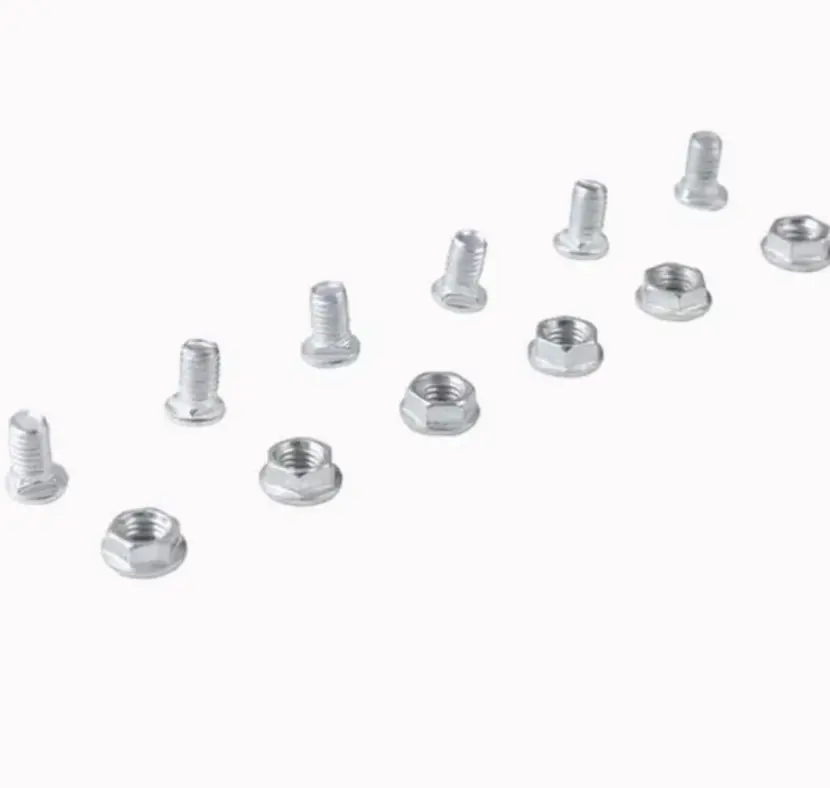
Bolts, Nuts, and Washers: The Core Components
These fasteners are foundational to cable tray assembly. Pre-galvanized bolts and nuts are engineered to maintain torque under thermal fluctuation, while washers spread load pressure and prevent surface deformation—essential when working with lighter-gauge tray materials.
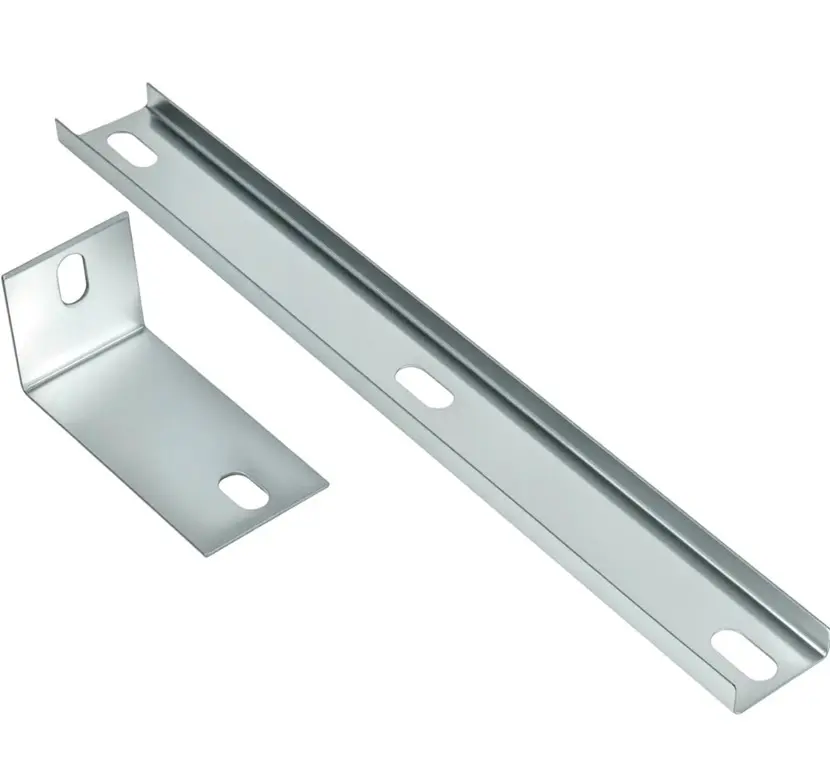
Brackets, Plates, and Braces: Supportive Yet Critical
Splice plates connect tray sections and maintain structural integrity across spans. L-brackets and support braces fix trays to walls or frames. The pre-galvanized coating ensures these components withstand environmental wear without compromising on mechanical reliability.

Clamps, Hangers, and Anchors: Securing the System
Used to suspend trays from ceilings or fix them to vertical surfaces, these components endure dynamic stress and environmental conditions. Pre-galvanized hangers and anchors resist rust, ensuring secure cable routing even in semi-industrial environments.

Choosing the Right Spare Parts for Your Project
Assessing Load Requirements and Stress Factors
Different cable types and tray configurations impose varied load requirements. A tray carrying high-voltage cables over long spans may demand reinforced splice plates and heavy-duty brackets. Always calculate static and live loads to ensure parts meet or exceed design stress criteria.
Material Compatibility and Corrosion Resistance
When combining tray materials—like aluminum trays with steel hardware—electrochemical interactions can occur. Pre-galvanized steel components should be paired with compatible tray materials or used with isolation gaskets to prevent galvanic corrosion, especially in moist or corrosive environments.
Standards and Certifications to Look For
Industry Certifications That Ensure Quality
Look for parts certified by ISO standard. This certification confirm that the components meet stringent quality and safety criteria.
Compliance with Building Codes and Safety Regulations
Building and electrical codes often stipulate the load ratings, flame resistance, and grounding paths for cable tray systems. Using pre-galvanized parts tested to these standards ensures compliance and protects against costly legal or operational issues.
Installation Tips and Best Practices
Prepping Surfaces for Maximum Grip and Stability
Before fastening, all contact points on the tray and support structures must be clean and debris-free. Burrs or rust can undermine the mechanical bond or introduce grounding issues in electrically conductive installations.
Avoiding Common Mistakes During Assembly
Avoid over-tightening bolts which can strip threads or deform brackets. Under-tightening, on the other hand, leads to movement and instability. Use torque wrenches calibrated to manufacturer specifications and verify alignment before securing.
Maintenance and Inspection Guidelines
How Often Should You Inspect Spare Parts?
Routine visual inspections should be scheduled at least every six months in controlled environments and quarterly in harsher settings like factories or tunnels. Look for signs of degradation in high-vibration zones and where temperature fluctuations are frequent.
Signs of Wear and When to Replace Components
Look for signs such as white rust, dulling of the zinc coating, loose fasteners, or deformation in brackets. Replace components immediately if any structural integrity is compromised to prevenT Cable Tray sagging or load imbalance.
Sourcing Quality Spare Parts
What to Watch for in Low-Quality Imitations
Avoid parts with inconsistent zinc finishes, poorly machined threads, or lack of batch identification. Authentic pre-galvanized parts typically come with compliance documentation and traceable manufacturing data. Trusted suppliers offer transparency, technical support, and warranty backing.
Cost vs. Longevity: Making the Smart Investment
The Real Price of Cutting Corners
Using off-brand or low-grade parts in cable tray systems can cause premature corrosion, tray misalignment, or even catastrophic failure under load. While upfront costs may be lower, the hidden costs of repair, downtime, and safety risks are exponentially higher.
How Quality Spare Parts Reduce Long-Term Costs
Investing in high-grade, pre-galvanized components reduces the frequency of replacements and minimizes service interruptions. This long-term approach ensures uninterrupted Cable Support and lowers the total cost of ownership.
Conclusion
Final Thoughts on Building Stronger, Safer Structures
Pre-galvanized connection spare parts form the skeletal framework of any reliable cable tray system. From electrical substations to commercial data centers, their importance cannot be overstated. With thoughtful selection, precise installation, and proactive maintenance, these components ensure lasting structural and functional integrity.
Checklist for Choosing the Right Pre-Galvanized Connections Spare Parts
Confirm galvanization process and coating thickness
Match part specifications to cable tray load and configuration
Ensure material compatibility and certification compliance
Source from reputable, transparent suppliers
Plan regular inspections and proactive maintenance
In a world increasingly dependent on uninterrupted power and data flow, the strength of your cable tray system hinges on the quality of its connections. Start smart—build with the right parts from the beginning.