What is Slotted Track Metal Studs and How Are They Used?
Slotted Track Metal Studs are innovative framing components used in construction. These studs have grooves or slots that provide flexibility during installation. This design allows for easier adjustments in both vertical and horizontal directions.
When working with Slotted Track Metal Studs, builders appreciate their versatility. They simplify the process of attaching drywall and other key materials. However, improper installation can lead to structural issues. It’s important to ensure everything is aligned properly for effective support.
The use of Slotted Track Metal Studs can change a project’s outcome. They offer solutions for various applications, from commercial buildings to residential spaces. Yet, even experienced builders can overlook small details, leading to potential setbacks. Adaptability is key, but attention to detail is equally critical.
What are Slotted Track Metal Studs?
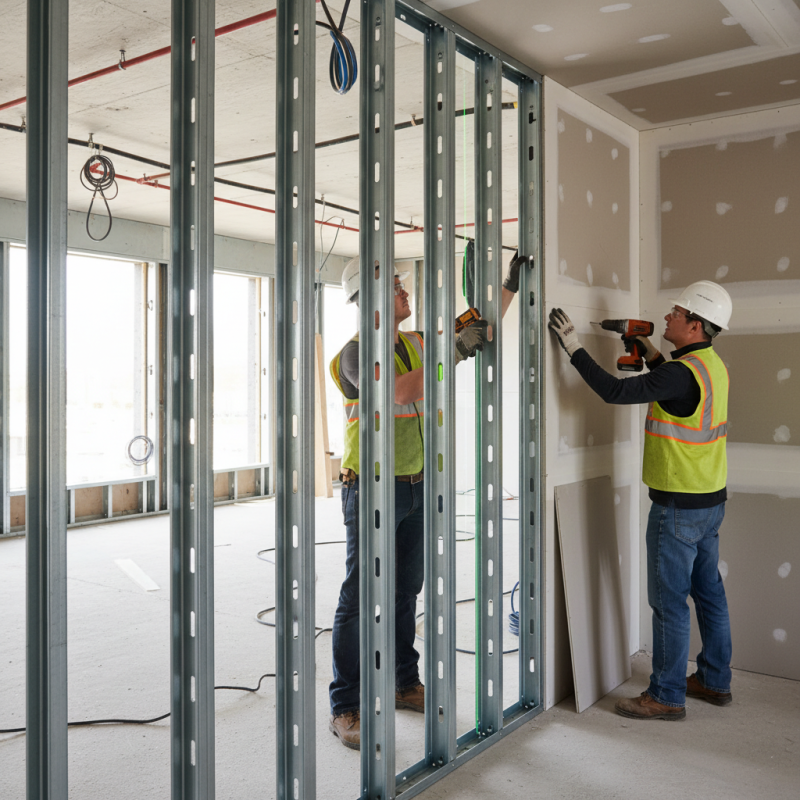
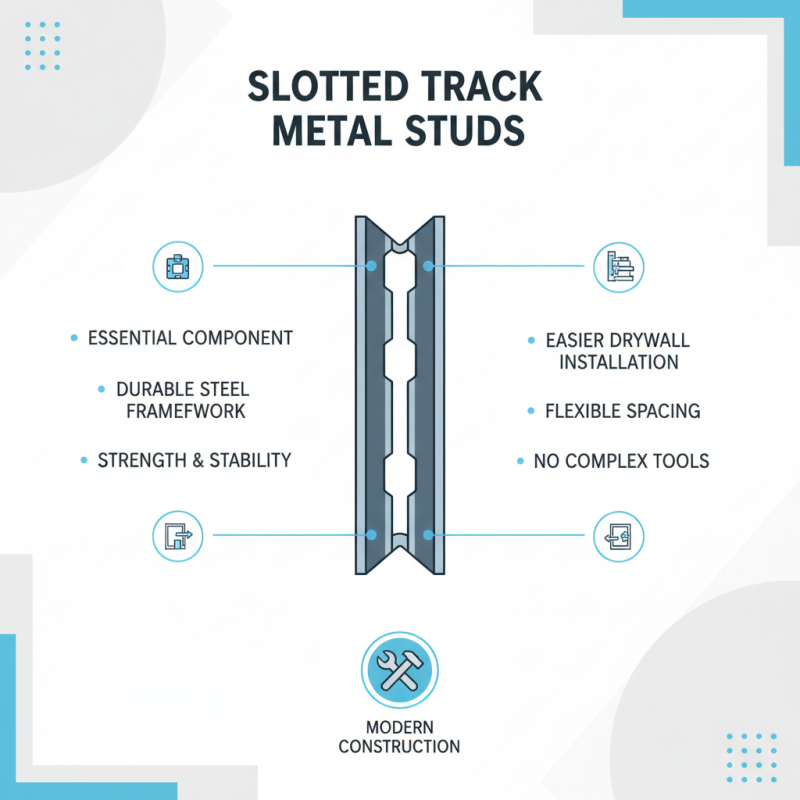
Slotted track metal studs are an essential component in modern construction. They provide a reliable framework for walls and ceilings. These studs are often made from durable steel, offering strength and stability to structures. Typically, they feature a series of slots along their length. This design allows for easier installation of drywall and other materials. The slotted feature gives builders flexibility to adjust spacing without complex tools.
In 2022, the global steel framing market was valued at approximately $12 billion. This indicates a growing preference for metal over traditional wood framing. Builders appreciate the light weight, fire resistance, and minimal maintenance of slotted track metal studs. They are also non-combustible, making them a safer option in many environments.
Tips: When selecting slotted track metal studs, check for proper gauge and spacing. Ensure that the studs are compatible with your building design. Construction can be challenging, especially with materials that don’t fit correctly. Measure twice, cut once; this advice remains vital in preventing errors. Don’t overlook the importance of skilled labor during installation. Inadequate expertise can lead to costly mistakes.
Key Features of Slotted Track Metal Studs
Slotted track metal studs are essential in modern construction. These materials play a pivotal role in framing, providing strength and flexibility. They feature slotted holes, allowing for quick adjustments during installation. This adaptability can save both time and labor costs. According to a recent industry report, using slotted track studs can enhance project efficiency by up to 30%.
The key features of slotted track metal studs include their lightweight nature and rust resistance. They are made from galvanized steel, ensuring durability. Their dimensions often comply with standard building codes, making them ideal for various applications. The slots allow for easy attachment of drywall, insulation, and electrical panels. This design minimizes the need for additional support structures.
Tip: Always check local building codes before starting your project. This can prevent costly mistakes.
Despite their advantages, some drawbacks exist. Incorrect installation can compromise structural integrity. Moreover, not all slotted studs are compatible with various types of drywall. It's crucial to evaluate the suitability of materials for specific projects. Understanding these limitations can lead to better decisions in construction.
For efficient framing, consider investing in quality tools. Proper tools can make a significant difference in the overall outcome. Use a laser level for precise alignment.
Common Applications of Slotted Track Metal Studs
Slotted track metal studs are gaining popularity in construction. They play a crucial role in creating walls and structural elements. Specifically, these studs allow for vertical adjustment and flexibility. This is particularly helpful in commercial applications where precision matters.
In office buildings, for instance, slotted track metal studs are often used in drywall systems. Their design facilitates quick installation, reducing labor costs significantly. A report from the Building and Construction Authority highlights that using slotted tracks can decrease project timelines by up to 30%. Such efficiency drives more developers to consider them for their projects.
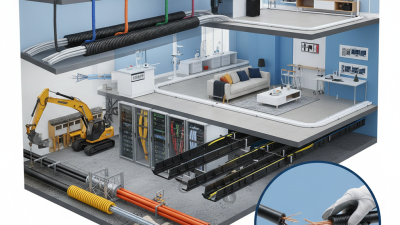
Moreover, the use of these studs is not limited to just walls. They are also utilized in ceilings and industrial spaces. However, challenges exist. Some builders face difficulties in aligning the tracks due to inconsistencies in installation practices. An inconsistent application can lead to structural issues. This reminds us that while slotted track metal studs offer many advantages, skilled labor and adherence to best practices are crucial for success.
What is Slotted Track Metal Studs and How Are They Used? - Common Applications of Slotted Track Metal Studs
| Application Area |
Description |
Advantages |
Typical Size |
| Residential Construction |
Used as the framework for interior walls and ceilings. |
Lightweight, easy to install, and resistant to fire. |
Gauge: 20, Length: 10ft |
| Commercial Building |
Facilitates easy installation of partitions in office spaces. |
Durable and provides flexibility for future changes. |
Gauge: 18, Length: 12ft |
| Industrial Applications |
Supports heavy machinery and construction equipment. |
High strength and resistance to impacts. |
Gauge: 14, Length: 14ft |
| HVAC Systems |
Used for hanging ducts and other HVAC components. |
Enhances airflow efficiency and provides system support. |
Gauge: 16, Length: 8ft |
| Acoustic Panel Installation |
Provides framework for soundproofing materials. |
Reduces noise transmission and improves acoustics. |
Gauge: 20, Length: 10ft |
Installation Process for Slotted Track Metal Studs
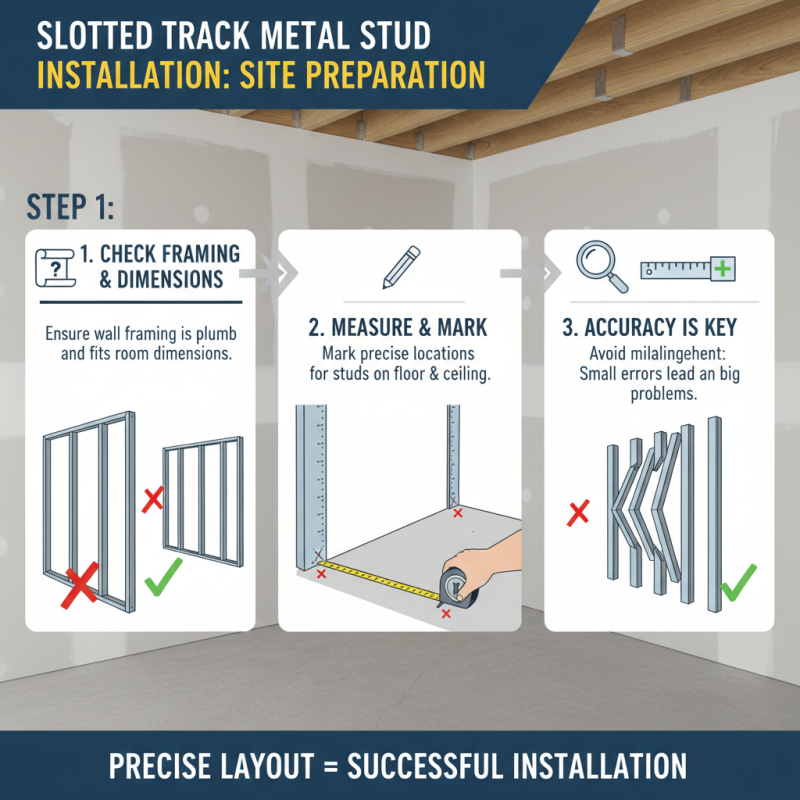
The installation process for slotted track metal studs begins with proper site preparation. Before anything, check the wall framing and layout. Ensure that the studs fit precisely within the room dimensions. Using a measuring tape, mark the spots on the floor and ceiling where the studs will be anchored. Accuracy matters here. Even a small miscalculation can lead to alignment issues later on.
Next, attach the slotted track to the floor and ceiling. Use appropriate fasteners for a secure hold. It’s important to align the track perfectly to avoid complications. Gaps or misalignments will cause stress in the wall structure. Once the track is in place, insert the metal studs into the slots. It’s a bit tricky and may require some adjustments. The studs must be snug but not forced, allowing for movements.
During installation, regularly check for vertical alignment. A level helps here, but be prepared for minor adjustments as you go. Many overlook this step, leading to wonky walls. Some users find this phase frustrating. Patience is key; rushing can result in a need for corrections later on. Once everything is in line, proceed to secure the studs. Your walls will shape up well with diligence and careful work.
Benefits of Using Slotted Track Metal Studs in Construction
Slotted track metal studs are essential in modern construction. These studs feature pre-engineered slots that offer flexibility during installation. Builders can adjust them easily, accommodating various wall types and layouts. This adaptability saves time and minimizes waste, crucial for efficiency in any construction project.
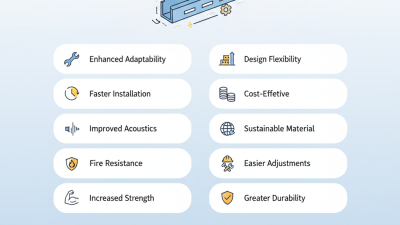
Using slotted track metal studs comes with numerous benefits. They provide enhanced stability, which is vital for long-lasting structures. Additionally, these studs can reduce sound transmission between rooms. This feature is particularly beneficial in residential buildings. The precision slots allow for quick adjustments during installation, avoiding alignment issues.
There are challenges to consider. Sometimes, the slots may not align perfectly with traditional materials. This could lead to extra modifications, causing delays. Ensuring compatibility with existing structures requires careful planning. Designers must remain aware of these potential hurdles to maximize the advantages that slotted track metal studs can offer in construction.