How to Effectively Splice Metal Studs for Your Construction Projects?
In modern construction, "Splicing Metal Studs" has become a critical technique for ensuring structural integrity. According to the Steel Construction Institute, metal studs are gaining popularity due to their lightweight nature and resistance to rust. Research indicates that properly spliced studs can enhance load-bearing capabilities, reducing the risk of structural failure. However, achieving a dependable splice requires a thorough understanding of the materials and methods used.
Despite its advantages, splicing metal studs presents challenges. Many contractors struggle with ensuring a strong connection. A study published by the National Association of Home Builders revealed that improper splicing can lead to up to 30% of construction defects. This statistic highlights the importance of adherence to best practices in the splicing process.
It’s crucial to balance efficiency with quality. Contractors often rush the splicing process, prioritizing speed over precision. This can yield short-term gains but may compromise long-term stability. A reflective approach to splicing metal studs can foster not just immediate results but lasting safety in construction projects.
Understanding Metal Studs and Their Applications in Construction
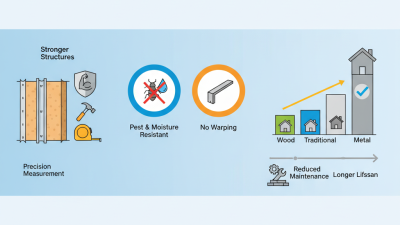
Metal studs are widely used in construction projects due to their durability and lightweight nature. They can be found in both residential and commercial buildings. Understanding the various applications of metal studs is crucial for any contractor or builder. These studs offer many advantages over traditional wooden frameworks, such as resistance to moisture and pests, leading to lower maintenance costs.
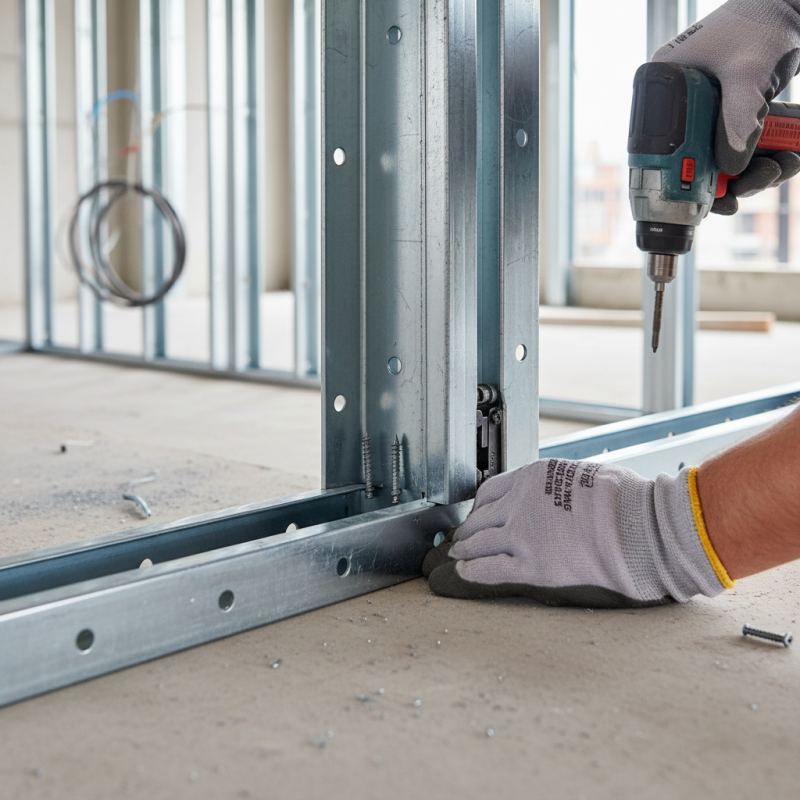
When using metal studs, proper splicing techniques can greatly impact the structural integrity of your project. To ensure a strong splice, always align the studs properly. Misalignment can lead to issues down the line, affecting the overall stability. Use appropriate connectors designed for metal studs to increase strength and stability.
Tips: Always measure twice before cutting. A slight error can lead to waste. Remember, working with metal can sometimes be tricky. Revise your splice points if things do not seem right. Taking your time can save you from costly mistakes later on. Finally, keep safety in mind. Wear gloves and goggles when handling sharp metal edges.
Tools and Materials Needed for Splicing Metal Studs
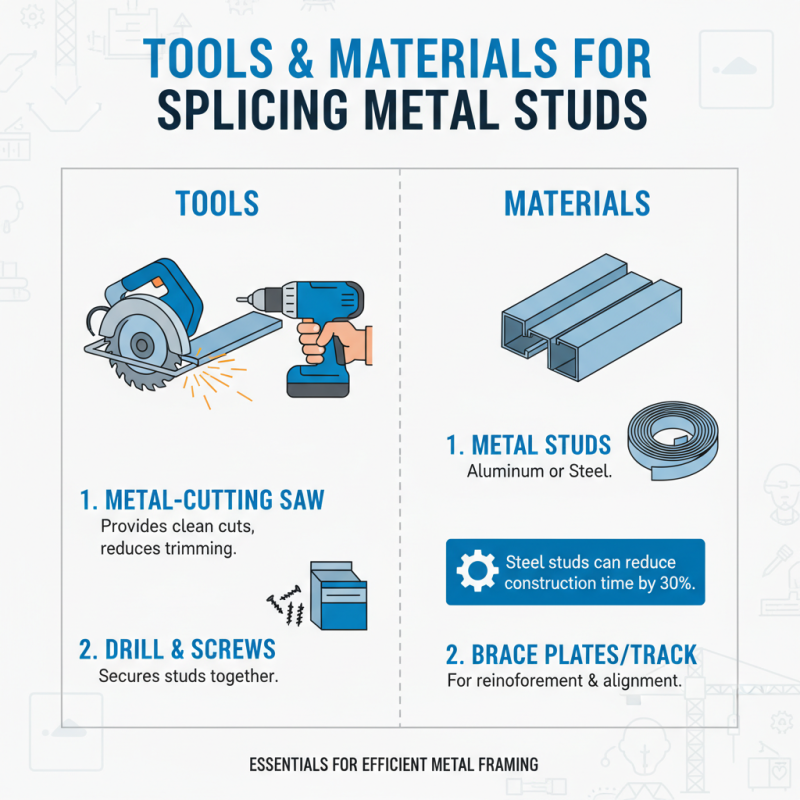
To splice metal studs effectively, having the right tools and materials is essential. Start with a good quality metal-cutting saw. This tool provides clean cuts, reducing the need for additional trimming. Use aluminum or steel studs, depending on the demands of your project. Some industry reports show that steel studs can reduce overall construction time by up to 30%, which highlights their efficiency.
You'll need proper safety gear as well. Gloves, goggles, and steel-toed boots protect against injuries. A reliable level ensures your studs are aligned correctly, which is vital for overall structural integrity. Ensure you have metal fasteners, as they are crucial for a secure splice. Make sure to choose the right gauge of screws based on the thickness of your studs.
Tip: Measure twice and cut once. This adage is particularly relevant in metal stud work. A well-measured stud means fewer errors and less waste. Ultimately, understanding the importance of these tools can enhance your efficiency. Improve your splicing technique by experimenting with joint types and material variations. Reflect on previous projects to identify areas for improvement. Embrace this learning process to elevate your skills.
Step-by-Step Guide to Splicing Techniques for Metal Studs
When splicing metal studs for construction, precision is vital. Start by measuring the required length carefully. The Construction Specifications Institute (CSI) reports that improper splicing can lead to structural weaknesses and costly rework. Preparation is key; ensure both ends of the studs are cut cleanly. A poor cut can compromise the integrity of the connection.
Techniques vary, but welding and screwing are common methods. Welding provides a strong bond. However, it requires skilled labor and specialized equipment. In contrast, screws offer a more accessible option, especially for smaller projects. The International Conference of Building Officials (ICBO) suggests using at least three screws to secure each splice effectively. Make sure to choose screws that suit the gauge of your studs.
Visual inspection is essential after splicing. Look for gaps or misalignments. These flaws can affect the overall structure. Extra attention to detail during this phase pays off. Regular inspections during the installation process increase reliability. Remember, even small mistakes can lead to significant issues down the line. Splicing is not just a task; it’s an art that combines technique and reflective practice.
Safety Precautions When Working with Metal Studs
When working with metal studs, safety should always be a priority. Metal edges can be sharp and could lead to cuts or injuries. Wear protective gloves, safety goggles, and steel-toed shoes. Make sure your workspace is clean and free of clutter. This reduces the risk of accidents.
Tips: Always inspect your tools before starting. Ensure that saw blades are well maintained. Dull blades require more force, increasing the chance of an accident. Keep first aid kits readily accessible in case of emergencies.
Avoid working alone. Having a partner can be beneficial in case something goes wrong. Communication is key. Discuss your project to ensure both of you are on the same page. Remember, rushing can lead to mistakes and injuries. Take your time to work carefully.
Tips: Create a checklist of safety protocols that everyone should follow. Regularly review this checklist. Making safety a routine helps build a culture of awareness. Don't ignore minor accidents or near-misses. These could be signs of larger problems. Reflect on your practices often.
How to Effectively Splice Metal Studs for Your Construction Projects? - Safety Precautions When Working with Metal Studs
| Dimension |
Description |
Safety Precaution |
| Length |
Typical lengths range from 8 to 12 feet for metal studs. |
Use gloves to protect hands when handling sharp edges. |
| Thickness |
Common thicknesses are 24 and 20 gauge. |
Wear safety goggles to protect eyes from metal debris. |
| Splice Method |
Overlap splice using self-tapping screws. |
Ensure proper ladder safety when reaching high areas. |
| Recommended Tools |
Cordless drill, metal snips, measuring tape. |
Check tools for any damages and use as directed. |
| Weight |
Each stud typically weighs between 2 to 3 lbs. |
Lift with proper ergonomics to avoid strain injuries. |
Common Mistakes to Avoid When Splicing Metal Studs
When splicing metal studs, common mistakes can lead to significant issues in your construction projects. One frequent error is misalignment. If the studs are not aligned properly, it can create weak points in the structure. A careful check of alignment before securing the splice helps maintain strength.
Another mistake is using inadequate connectors. Weak or inappropriate connectors can fail under stress. Ensuring that the connectors are designed for metal studs is crucial. It's essential to understand the load-bearing requirements for your specific project. Many overlook the importance of using the right gauge material as well. Using a thinner gauge may save time and money but could compromise the integrity of your work.
Finally, neglecting to double-check the joints can lead to significant problems. This oversight could result in loose connections later. Take the time to inspect each splice thoroughly. It's worth the effort to avoid future headaches. Small details matter greatly. Each decision influences the final outcome.