Leave Your Message

China Best FRP Cable Tray Supplier How to Choose?

Choosing the best China FRP Cable Tray supplier requires more than comparing online prices. The right partner should demonstrate practical manufacturing experience, stable material quality, and clear technical knowledge. A reliable supplier can explain resin types, glass-fiber content, load ratings, corrosion resistance, and operating temperature without vague promises.

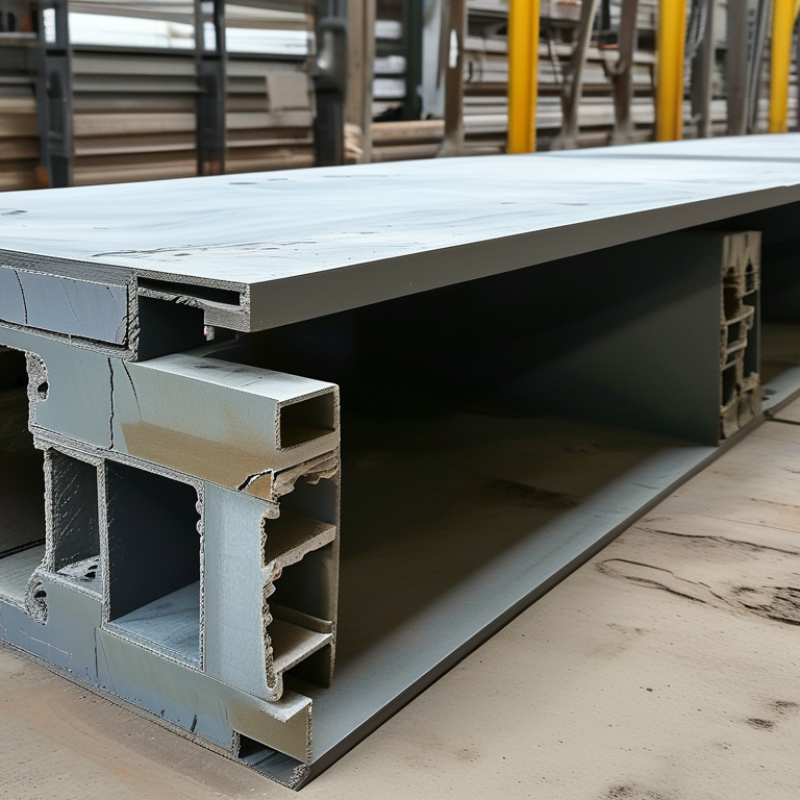
Look closely at the factory’s production process. Ask for product drawings, sample reports, and recent test data. Inspect the tray surface for cracks, uneven edges, bubbles, or weak drilling points. These small details matter during installation. A professional manufacturer should also discuss cable weight, support spacing, tray dimensions, cover design, and site conditions. Experience is often visible in the questions a supplier asks.

Certification alone is not enough. Verify whether documents match the actual Frp Cable Tray model being offered. Check factory capacity, quality-control records, packaging methods, and delivery performance. A supplier may provide attractive samples but struggle with a large order. That risk deserves attention. No supplier is perfect. What matters is honest communication, traceable production, and a practical response when problems appear. Compare several manufacturers, request a physical sample, and review after-sales support before making a final decision. A careful evaluation can reduce replacement costs, installation delays, and unexpected maintenance later. However, buyers should also reconsider their own specifications. An oversized tray may waste money, while an undersized design may create safety and maintenance problems.

China Best FRP Cable Tray Supplier How to Choose?

What Is an FRP Cable Tray and Where Is It Used?

What Is an FRP Cable Tray and Where Is It Used?

An FRP cable tray is a support system made from fiber-reinforced polymer. It combines glass fibers with a resin matrix. This structure offers low weight, electrical insulation, and strong corrosion resistance. Unlike steel, FRP does not rust when exposed to salt spray, moisture, or many chemicals. The NACE IMPACT study estimated global corrosion costs at about US$2.5 trillion annually. This explains why corrosion-resistant supports matter in harsh facilities.

FRP cable trays are commonly used in coastal power stations, wastewater plants, chemical facilities, tunnels, and offshore projects. They also suit data centers and renewable-energy sites where electrical insulation is valuable. A technician can carry many tray sections without heavy lifting equipment. However, FRP is not automatically the best choice. Heat, ultraviolet exposure, fire performance, span length, and loading must be checked against project requirements. IEC 61537 provides guidance for cable management systems, while NFPA 70 addresses installation and electrical safety. Local engineering rules still deserve attention.

Tips: Check resin type before ordering. Vinyl ester often suits aggressive chemical environments. Inspect cut edges and supports carefully. Poor field modifications may reduce protection. Measure cable weight, tray width, and support spacing together. Real project conditions can differ from catalog values. That assumption needs checking.

Which FRP Cable Tray Features Matter for Your Project?

Choosing an FRP cable tray supplier starts with the project environment, not the catalogue price. NACE’s IMPACT study estimated global corrosion costs at about US$2.5 trillion annually, equal to 3.4% of global GDP. That figure makes resin quality and corrosion resistance practical concerns. For coastal plants, wastewater facilities, and chemical areas, specify a suitable resin system, UV protection, and sealed cut edges. Inspect the laminate surface. It should look consistent, without dry fibers, bubbles, or exposed glass.

Load performance matters just as much. The NEMA FG 1 standard evaluates fiberglass cable tray systems through load and deflection testing. Ask for test results at your actual support span, cable weight, and temperature range. Fire performance also deserves attention. Check flame-spread, smoke, and electrical-insulation documentation against the project’s required standards. FRP’s nonconductive behavior can reduce grounding concerns near sensitive equipment, but it does not remove the need for proper bonding and separation design.

Small details often decide installation quality. Smooth edges protect cable jackets. Accurate straight lengths reduce field cutting. UV-stable covers help outdoor systems survive harsh sunlight. I have seen projects choose a strong tray but underestimate expansion, cover fit, or support spacing. That mistake is easy to repeat. A supplier should provide resin data, load tables, fire test evidence, dimensional tolerances, and installation guidance. If the documents are vague, treat that as a warning, even when the tray looks excellent.

China Best FRP Cable Tray Supplier: Which Features Matter for Your Project?

Typical engineering reference ranges for FRP cable tray selection. Actual values depend on the resin system, glass reinforcement, profile design, UV protection, and project environment.

FRP cable trays are commonly selected for their low weight, corrosion resistance, electrical insulation, and suitable operating temperature. Use these ranges for preliminary comparison, then confirm the supplier’s tested data, load rating, fire performance, UV resistance, and compliance with the applicable project standard.

How to Evaluate Chinese FRP Cable Tray Manufacturers

When evaluating Chinese FRP cable tray manufacturers, inspect production evidence rather than polished websites. Ask for resin specifications, glass-fiber content, pultrusion records, and batch traceability. A reliable supplier should provide load tests for the proposed span, not only generic catalog values. Check deflection, impact resistance, UV exposure, temperature range, and corrosion performance. The NACE IMPACT study estimated global corrosion costs at USD 2.5 trillion annually, equal to about 3.4% of global GDP. That figure makes corrosion testing commercially important, especially in coastal, chemical, and wastewater facilities.

Quality systems matter, but certificates need verification. The ISO Survey 2022 recorded more than 1.2 million ISO 9001 certificates worldwide, so certification alone does not prove strong FRP expertise. Confirm the certificate scope, issuing body, audit status, and actual factory address. Request independent test reports referencing relevant requirements, such as IEC 61537, ASTM E84, or project-specific fire standards.

Review samples closely. Look for uneven surfaces, exposed fibers, resin-rich edges, and drilled holes with cracking. Ask how rejected parts are controlled. The answer may be imperfect, but vague answers deserve deeper questioning. A factory that shares test limits, failure records, and corrective actions is often more credible than one promising “zero defects.”

Get a small sample order before approving large-volume production.

How to Compare Quality, Certifications, Pricing, and Lead Times

China Best FRP Cable Tray Supplier: How to Choose?

Choosing China’s best FRP cable tray supplier requires more than comparing catalog prices. Grand View Research estimated the global cable tray market at approximately USD 4.3 billion in 2023. Continued growth attracts capable factories and careless sellers. Ask for resin type, glass-fiber content, load tables, and test reports. IEC 61537 provides a useful reference for cable support systems. FRP projects may also need fire, smoke, UV, and corrosion testing. Details matter.

Check certification scope, not just logos. Request certificates showing the legal entity, model range, test method, and expiry date. ISO 9001 supports process control, but it does not prove tray strength. Independent laboratory reports should match your actual profile, thickness, and accessories. For coastal or chemical areas, request accelerated UV and corrosion results. A smooth tray can still fail at a drilled joint. This is often missed.

Compare total cost per installed meter. Include covers, splice plates, supports, fasteners, packaging, duties, and replacement risk. Lead time should start after drawing approval, not the first email. Deloitte’s 2024 Global Chief Procurement Officer Survey identifies supply disruption and cost pressure as continuing procurement concerns. Request twelve months of on-time delivery records and a sample production schedule. Do not trust a perfect promise. I would inspect one batch before placing a large order. Small trial orders cost more initially, but they can expose brittle resin, uneven holes, or poor packing early.

China Best FRP Cable Tray Supplier: How to Choose?

How to Compare Quality, Certifications, Pricing, and Lead Times

Evaluation Dimension What to Compare Recommended Benchmark or Typical Range Required Evidence Warning Signs Suggested Weight
Material Composition Fiberglass reinforcement, resin type, filler content, and surface finish. Continuous glass-fiber reinforcement with a corrosion-resistant thermoset resin system. The resin should be specified for the project environment, such as polyester, vinyl ester, or epoxy. Technical data sheet, resin specification, glass-content declaration, and sample cross-section inspection. Unidentified resin system, excessive filler, brittle edges, or inconsistent color and laminate thickness. 15%
Mechanical Load Capacity Working load, span, deflection, safety factor, and support arrangement. Compare test results at the specified support span. A common industrial comparison uses 1.5 m, 2.0 m, or 2.4 m spans; the allowable load must be stated for the actual span. Load test report, deflection curve, installation drawing, and stated safety factor. Load capacity shown without span, support spacing, deflection limit, or safety factor. 20%
Dimensional Accuracy Tray width, side-rail height, length, hole position, straightness, and connection fit. Dimensions should match the approved drawing and applicable manufacturing tolerances. Joint plates, bolts, and accessories should fit without forced alignment. Approved dimensional drawing, inspection record, and physical sample measurement. Uneven side rails, warped sections, sharp exposed fibers, or mismatched accessories. 10%
Fire Performance Flame spread, smoke behavior, self-extinguishing performance, and project-specific fire requirements. Require test evidence against the fire standard specified by the project. ASTM E84 is commonly used for surface-burning characteristics; the result should identify flame-spread and smoke-developed values. Full laboratory report showing the exact product construction and tested thickness. A generic “fire resistant” statement without a standard, test method, or product identification. 15%
Electrical and System Standard Design, testing, and installation requirements for the complete cable tray system. Where applicable, compare documentation with IEC 61537 or the project’s specified cable-tray standard. Confirm that testing covers the tray, splice plates, fasteners, and accessories as a system. Declaration of conformity, standard test report, installation manual, and system drawings. Certification applies only to a different product category, material, size, or discontinued design. 10%
Quality Management Manufacturing controls, traceability, inspection procedures, and corrective-action process. An ISO 9001-certified quality management system is a useful baseline, but it should be supported by product-specific inspection records. Valid certificate, certification scope, batch records, inspection plan, and nonconformance procedure. Expired certificate, certificate scope unrelated to FRP products, or inability to trace production batches. 10%
Corrosion Resistance Resistance to acids, alkalis, salts, moisture, solvents, and industrial chemicals. FRP is generally suitable for many corrosive environments, but resistance depends on the resin and chemical concentration. Obtain a chemical-resistance chart for the actual operating conditions. Resin compatibility chart, immersion test data, and project-environment review. The supplier claims universal chemical resistance or cannot identify the resin used. 15%
UV and Weather Resistance Outdoor exposure, ultraviolet stability, water absorption, and surface protection. For outdoor use, specify a UV-resistant resin or protective surface veil and confirm performance using an agreed accelerated-weathering method, such as ASTM G154 where applicable. Weathering test report, gel-coat or veil specification, and outdoor installation guidance. No UV specification, chalking or fiber exposure on samples, or indoor-only product offered for outdoor use. 10%
Electrical Insulation Non-conductive behavior, surface resistivity, grounding design, and bonding requirements. FRP cable trays are normally non-metallic and electrically insulating. Confirm whether the project requires separate grounding conductors, bonding jumpers, or continuity provisions. Electrical-property data, installation instructions, and project-specific grounding statement. The supplier assumes that non-conductive trays eliminate all grounding and bonding obligations. 5%
Indicative Pricing Tray body, splice plates, fasteners, covers, supports, packaging, and delivery terms. For budgeting only, FRP tray body prices commonly vary by profile, width, load class, resin system, and quantity. A broad planning range of approximately USD 20–120 per meter may apply before accessories, freight, taxes, and installation. Itemized quotation with dimensions, resin type, load rating, accessories, Incoterm, validity period, and packing details. A low price excludes splice hardware, covers, supports, testing, packaging, or freight-related surcharges. 10%
Tooling and Customization Non-standard widths, bends, tees, reducers, covers, support brackets, and drilling patterns. Standard profiles generally have shorter preparation times. Custom pultruded or molded sections may require tooling, engineering approval, and minimum order quantities. Tooling quotation, engineering drawing, sample approval process, and minimum order quantity. Custom geometry is promised without drawings, prototype review, or confirmation of tooling ownership. 5%
Typical Lead Time Engineering approval, production, inspection, packing, and shipment readiness. Standard profiles: approximately 2–4 weeks after drawing and order confirmation. Custom profiles: approximately 5–10 weeks, excluding international transportation and approval delays. Production schedule, capacity confirmation, approved drawing date, inspection date, and dispatch commitment. Lead time starts before technical approval or excludes tooling, testing, packaging, and export documentation. 10%
Documentation and Export Support Commercial invoice, packing list, certificate of origin, inspection records, drawings, and installation instructions. Documentation should be complete before dispatch and should identify the product size, batch, quantity, and applicable test reports. Document checklist, sample shipping documents, packing photographs, and product traceability records. Documents are supplied only after shipment or do not match the goods and quantities packed. 5%
Warranty and After-Sales Service Warranty duration, exclusions, claim procedure, replacement policy, and technical response time. A written product warranty of 12–24 months is commonly requested, subject to correct storage, installation, loading, and chemical exposure conditions. Signed warranty terms, response-time commitment, spare-part policy, and installation support contact. Warranty excludes normal defects, provides no claim process, or is limited to replacement without technical investigation. 5%

Note: Price and lead-time figures are indicative buyer-planning benchmarks, not fixed quotations. Final values depend on tray dimensions, load class, resin system, accessories, order quantity, testing requirements, Incoterms, and destination. Always request product-specific test reports and an itemized quotation before purchase.

How to Select the Best FRP Cable Tray Supplier in China

Selecting the best FRP cable tray supplier in China requires more than comparing prices. The supplier should understand load ratings, span distances, resin systems, and installation conditions. Ask for technical datasheets, dimensional drawings, and test reports before discussing large quantities. A reliable manufacturer can explain how its trays perform in coastal air, chemical areas, heat, and ultraviolet exposure.

Production experience matters. Review factory photographs, process controls, mold accuracy, and quality inspection records. Check whether each batch receives dimensional, load, and surface inspections.

Request a physical sample, then examine its edges, finish, hole alignment, and flexibility. A polished catalog is not proof. Real evidence is better.

Communication also shows professionalism. The supplier should respond clearly about customization, packing, delivery schedules, replacement terms, and installation support. Verify material traceability and ask how defects are handled after shipment. Independent testing can add confidence, especially for projects with strict engineering requirements. Still, no supplier is perfect; even a careful evaluation may miss a packaging weakness or delayed response. Discuss these risks openly before signing a contract. Choose a partner that provides practical answers, consistent quality, and documents your project can actually use.