2026 How to Choose the Right Stainless Cable Tray for Your Project?
Choosing the right Stainless Cable Tray for your project can be challenging. There are many factors to consider. You might think all trays are similar, but that’s not true. Stainless Cable Trays come in various materials, sizes, and configurations. Each choice impacts efficiency and safety.
Consider the environment where the tray will be installed. Will it be exposed to moisture or harsh chemicals? Stainless Cable Trays are durable and resistant to corrosion, making them ideal for demanding conditions. However, not every stainless steel type is the same. Some may rust or sustain damage in certain environments.
Evaluate your specific project needs carefully. Your decision will affect installation time and maintenance costs. Sometimes, a less expensive option might seem appealing. But, in the long run, it could lead to higher expenses. Reflect on your priorities—are you focusing on short-term savings or long-term reliability? Understanding these details is crucial for making the right choice.

Understanding Stainless Cable Trays: Benefits and Applications
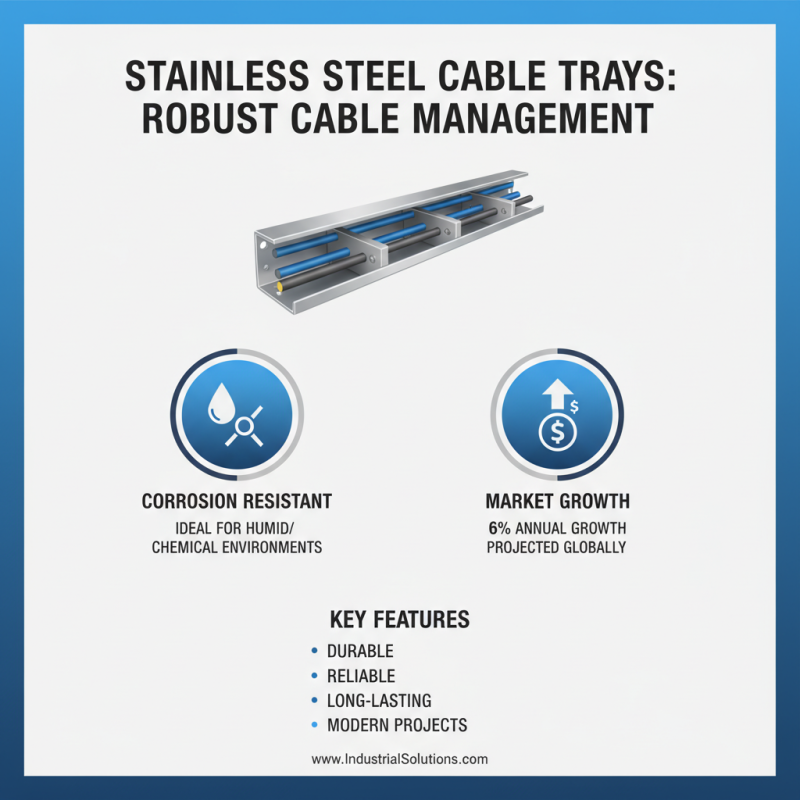
Stainless steel cable trays offer robust solutions for cable management in various industries. Their resistance to corrosion makes them ideal for environments with high humidity or exposure to chemicals. According to market research, the global stainless steel cable tray market is projected to grow at a rate of 6% annually, highlighting their increasing relevance in modern projects.
Applications of stainless cable trays are vast. They are commonly used in commercial, industrial, and infrastructure projects. The trays support electrical and communication cables, keeping them organized and protected. Data from industry reports indicates that over 50% of manufacturing companies prefer stainless products for their durability. However, not all projects may require stainless steel. In less demanding environments, alternative materials could suffice, offering cost savings.
Designing an effective cable management system often requires reflection on specific project needs. Choosing the right gauge and tray size is critical. Oversized trays can lead to wasted space, while undersized trays may compromise functionality. A careful assessment helps ensure optimal performance, striking a balance between durability and cost-effectiveness.
Types of Stainless Cable Trays Available in the Market
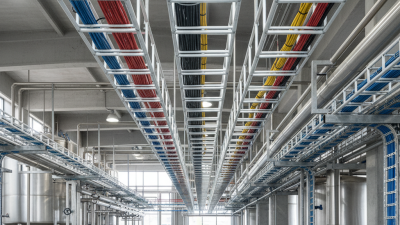
When selecting a stainless cable tray for your project, it's crucial to understand the variety available. You can find several types in the market, each with distinct advantages. For example, perforated trays are excellent for ventilation. They allow heat dissipation, which can be critical in certain environments. Solid bottom trays, on the other hand, are perfect for areas needing maximum protection from dust or splashes.
Another option is ladder-style trays. These are widely used due to their versatility. Their design supports heavy cables while allowing for easy access. However, they might not fit well in all spaces, especially tight ones. It's important to assess the specific requirements of your project. Finally, wire mesh trays offer lightweight solutions. They can be easily installed and adjusted, making them a favorite for temporary installations. Still, they may lack strength for some heavy-duty applications.
Choosing the right type requires careful thinking. You have to weigh the pros and cons of each option. Consider the specific needs of your project. Not every tray suits every situation. Regular reflections on past choices can help improve future selections.
Key Factors to Consider When Selecting a Cable Tray
When selecting a stainless cable tray, several key factors must be considered.
First, assess the environmental conditions.
Will the tray be exposed to moisture or corrosive substances? Different stainless steel grades are suited for various environments.
Choosing the wrong grade may lead to premature failure.
Also, think about the load capacity. Each tray has a limit,
and exceeding it could cause serious issues down the line.
Another important factor is the tray's size. Measure the space where it will be installed accurately.
An ill-fitting tray can lead to installation headaches and additional costs.
Additionally, consider accessibility for future maintenance.
A tray placed in a hard-to-reach area can complicate repairs or upgrades.
Don’t forget about local codes and regulations.
Ignoring these may cause compliance issues later on.
Also, aesthetic aspects shouldn't be overlooked. The appearance of the cable tray can affect the overall look of your project.
Balancing function and style can be tricky.
Finally, check for reviews or feedback from past users about their experiences.
This insight can guide your decision and help avoid common pitfalls.
Assessing Load Capacity and Environmental Conditions
When selecting a stainless cable tray for your project, assessing load capacity is essential. The load capacity indicates how much weight the tray can hold without compromising its integrity. It’s crucial to understand both the static and dynamic loads the tray will experience. Static loads are those that remain constant, while dynamic loads change over time. Always consider these factors to avoid future issues.
Environmental conditions play a significant role in the performance of a cable tray. Exposure to moisture? High temperatures? These factors can deteriorate materials quickly. Stainless trays are often chosen for their resistance to corrosion. However, not all stainless steel grades are equal. For instance, in coastal areas, a higher nickel content may be required for better resistance. Be aware that the wrong choice could lead to costly replacements or safety risks.
Incorporating details like the installation environment helps. Will it be indoors or exposed to the elements? Factors like humidity and temperature fluctuations impact the long-term durability of the tray. Sometimes, products may look good on paper. However, real-world performance can reveal flaws. Always reflect on your selections. Questions might arise later. Are you truly prepared for all conditions? Understanding these elements ensures a more reliable and efficient installation.
2026 How to Choose the Right Stainless Cable Tray for Your Project?
| Type of Tray |
Load Capacity (lbs/ft) |
Environmental Conditions |
Material Grade |
Recommended Use |
| Perforated Cable Tray |
50 |
Indoor Dry Conditions |
316 Stainless Steel |
General Cable Management |
| Solid Bottom Cable Tray |
100 |
Outdoor Exposure to Moisture |
304 Stainless Steel |
Heavy Duty Applications |
| Ladder Cable Tray |
75 |
Heavy Industrial Environments |
316 Stainless Steel |
Power and Data Transmission |
| Wire Basket Tray |
40 |
Indoor Clean Environments |
304 Stainless Steel |
Lightweight Wiring |
| Channel Cable Tray |
60 |
Controlled Environments |
316 Stainless Steel |
Data Centers |
Installation and Maintenance Tips for Stainless Cable Trays
When installing stainless cable trays, proper maintenance is key. Regular inspections should be part of the routine. According to industry reports, around 20% of cable tray issues stem from neglecting maintenance. Inspect for corrosion, especially in coastal areas. A slight rust can escalate into bigger problems if not addressed early.
Ensure that installation is compliant with local codes. Use the right tools and techniques for secure fittings. Tight connections prevent sagging and detachment. Remember, improper installation can lead to increased repair costs. About 15% of installations require rework due to poor practices. Maintain documentation of your installation and maintenance procedures as it aids future inspections.
A consistent cleaning schedule is essential. Dust and debris can collect, leading to clogs. Designate a team responsible for these tasks. Lack of attention can turn minor issues into major setbacks. A good practice is to conduct bi-annual deep cleans. It is estimated that regular maintenance extends the life of cable trays by up to 30%.
2026 Stainless Cable Tray Selection - Material vs. Cost